Cummins X15 vs Detroit DD15 vs Volvo D13: Which Engine to Buy in Australia
8 min read
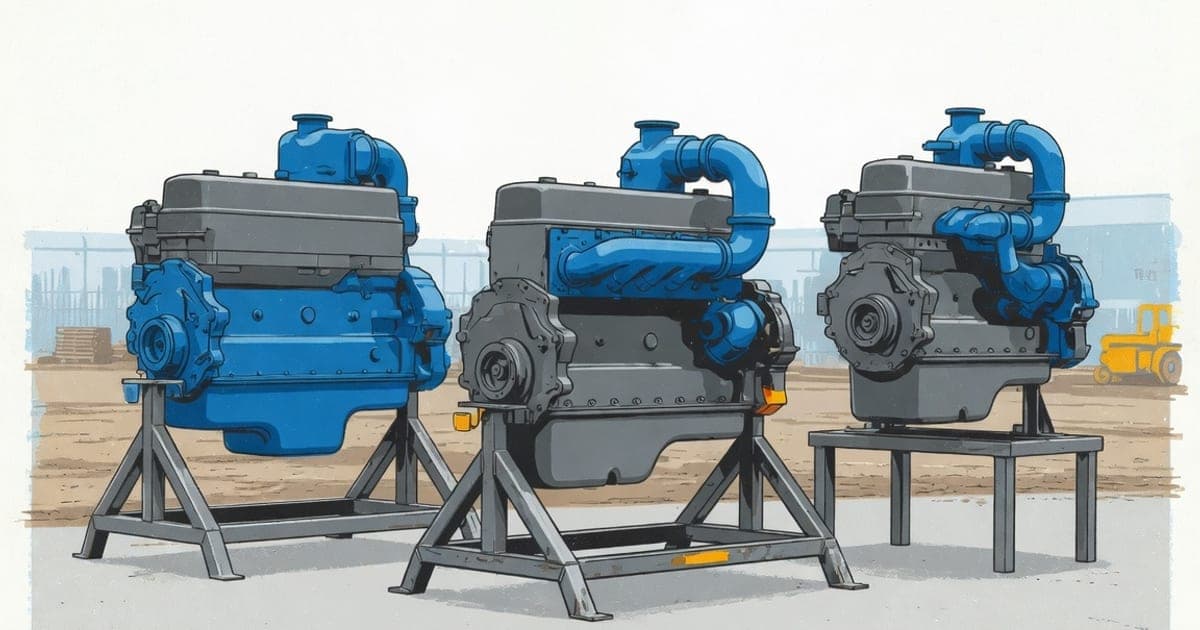
When you buy a used prime mover you are mostly buying an engine with a truck around it, and the honest comparison between the Cummins X15, Detroit DD15 and Volvo D13 is less about which is the better engine and more about which failure modes, parts networks and repair politics you are signing up for. The short version: the Cummins gives you the widest independent repair and parts network in Australia and a known history, generation by generation; the Detroit gives you a modern, efficient engine tied to the Penske dealer network; the Volvo gives you an integrated driveline that works beautifully and keeps you close to the dealer. None of that is a reliability verdict, and be suspicious of anyone online who offers one without saying whose engines they sell.
A warning about the evidence before the opinions
Say it plainly: most of what is written about these engines lives on American operator forums and workshop blogs, because the same engine families dominate the US market at vastly larger volume. That evidence is useful and limited. US engines run different emissions calibrations, different fuels, different duty cycles and different service economics, so a pattern that fills ten pages on a US board may barely exist here, and vice versa. In this post, reliability claims are attributed to operator reports, mostly US boards like TruckersReport plus Australian owner groups, and should be read as patterns worth checking on the individual truck, not laws. Australian rebuild pricing is its own subject with its own post, what a truck engine rebuild costs in Australia, and we will not repeat US dollar figures here as if they were local.
Cummins ISX and X15: the incumbent
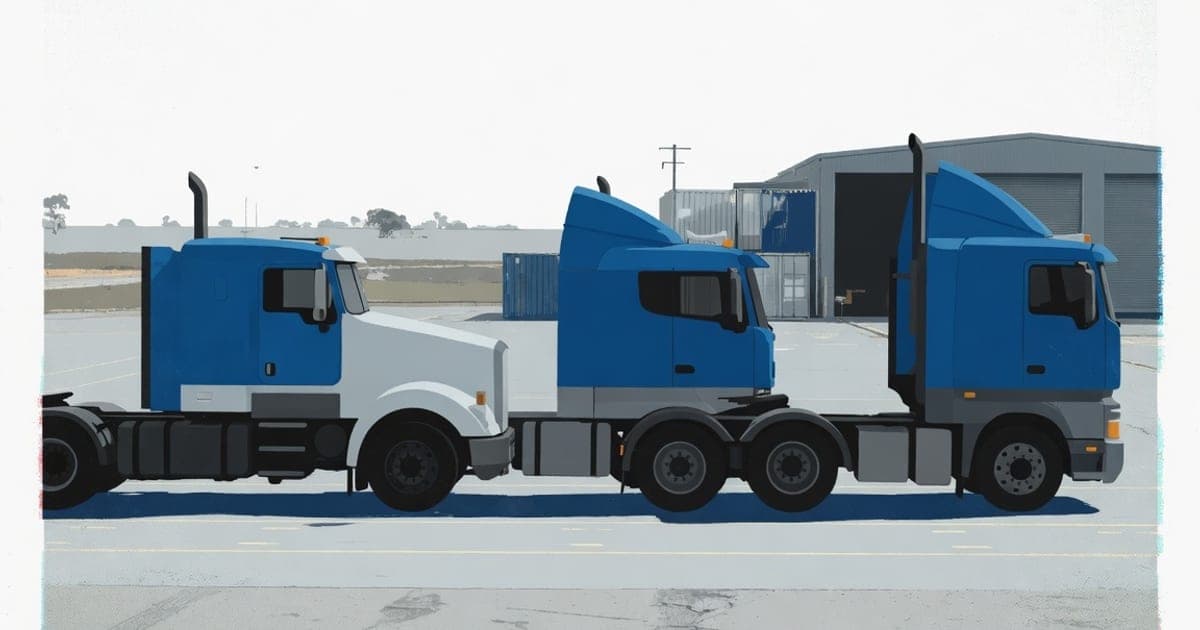
The X15 and its ISX predecessor are the default engine in the Australian owner-driver imagination, largely because Kenworth builds so many trucks around them. Market position first: Cummins is the one engine of the three sold independently of a truck brand, so it appears across Kenworth, Freightliner, and others, and it supports the deepest independent servicing scene in the country. Cummins runs its own branch and dealer network here, rebuild kits and recon programs are established, and most serious diesel shops in any regional city will work on one without blinking. That independence is worth real money over a truck's life, and it shows in used values, as covered in our used prime mover price guide.
Generation matters enormously with this family, and operator reports are consistent about the shape of it. The EGR-era ISX, roughly the 2007 to 2010 window before SCR arrived, carries the worst reputation of the family on operator boards: owners report EGR system, manifold, turbo and head trouble, and trucks of that generation deserve to be priced as needing evidence of the work already done. Later SCR-equipped engines and the X15 in Euro 5 and Euro 6 form are generally well regarded in operator commentary, with complaints clustering around aftertreatment hardware rather than the iron: DPF and SCR faults, sensors and dosing systems. What that aftertreatment costs to keep right is its own subject, split across DPF cleaning versus replacement and AdBlue and SCR faults.
Detroit DD15: the efficiency play
The DD15 arrived with Daimler's global platform and turns up here mainly in Freightliner and some Western Star product, distributed and supported in Australia through the Penske network. Operator commentary, again mostly US-volume, is broadly positive on the engine itself: owners report strong fuel economy, which is the engine's design brief, and the volume of engines in service in North America means the failure patterns are at least well documented when they appear. Complaints in owner threads cluster, as with every engine of this era, around emissions and aftertreatment systems rather than bottom ends.
The Australian question with a DD15 is less the engine and more the support map. Penske's network covers the main freight corridors, but it is thinner than the Cummins ecosystem, and independent shops are less familiar with the platform. For a linehaul operator running capital city corridors that may not matter at all. For a truck based in a regional town whose local shop has rebuilt fifty Cummins and zero Detroits, it is part of the price. If you are weighing the trucks these engines arrive in rather than the engines alone, the badge-level comparison sits in Kenworth versus Volvo versus Scania for Australian work.
Volvo D13: the integrated driveline
The D13 is rarely bought as an engine; it is bought as a Volvo, usually bolted to Volvo's own I-Shift automated transmission and Volvo axles. The integration is the point: engine, gearbox and diff calibrated as one system, and fleet operators report the combination as smooth, frugal and easy on drivers, which is a large part of why Volvo moves such volume into Australian fleets and why so many late-model used examples exist at keen prices when fleets turn them over.
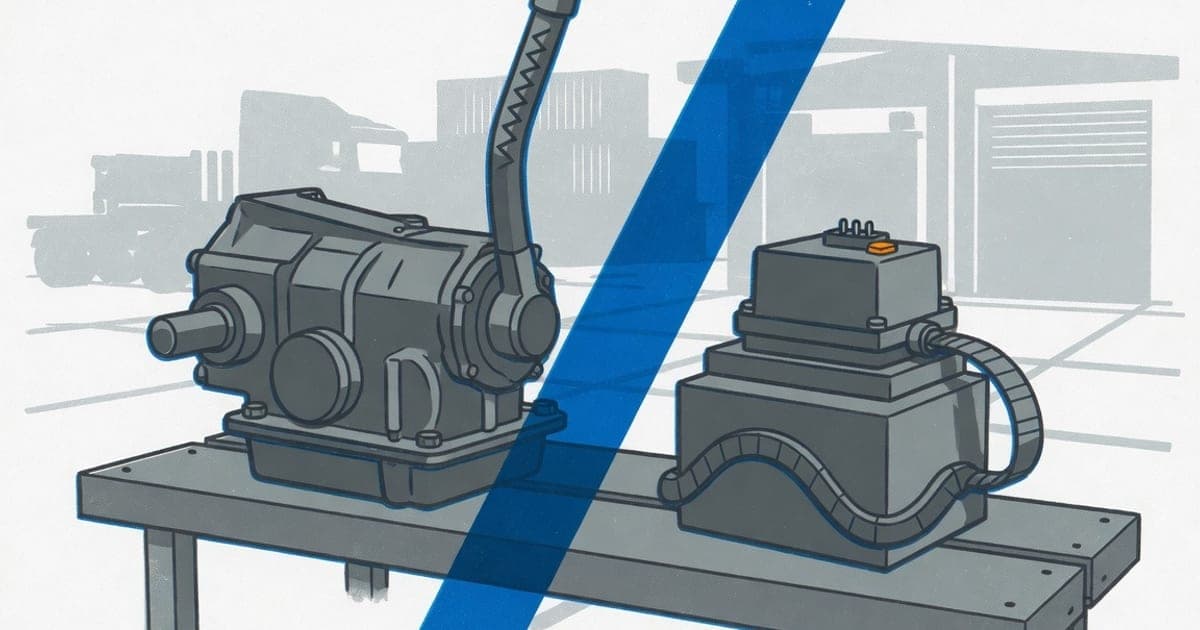
The trade-off deserves plain words: an integrated driveline can reduce your independent repair options. Diagnostics, software and calibration sit inside the dealer system, and while independent European-truck specialists exist in the capitals, the further you get from them the more the truck's service life belongs to the dealer network. Attribute that as the trade-off it is rather than a defect: fleets with dealer relationships price it happily, owner-drivers in the regions should price it honestly. It also changes the parts calculus at swap time, because mixing and matching driveline components is harder on an integrated platform, a constraint explained in what actually bolts up in a gearbox or diff swap.
Cat C15 and Detroit Series 60: the legacy engines still trading
Two engines no longer sold new still anchor a big slice of the used market. The Caterpillar C15 family, orphaned when Cat left the highway engine business, retains a devoted following: owner commentary prizes the pre-emissions and early-emissions engines for simplicity and longevity, parts remain available through Cat's industrial network and a deep aftermarket, and tidy C15 trucks hold money stubbornly. The Detroit Series 60 earned its reputation over decades in the US and here; owners describe it as straightforward to rebuild with parts everywhere.
The catch with both is age. These engines now live in trucks that are themselves old, with everything that means for chassis, electrics and cab condition, and emission-era freight contracts increasingly specify newer trucks. Buy a legacy engine truck as what it is: a known, rebuildable powerplant in an ageing vehicle, priced accordingly.
Parts availability and independent servicing in Australia
The practical hierarchy, as Australian owner and workshop commentary consistently describes it:
| Engine | Parts and service reality in Australia |
|---|---|
| Cummins X15 and ISX | Widest coverage: factory network plus deep independent scene, rebuild parts common, most shops fluent |
| Cat C15, Series 60 | Strong parts through Cat network and aftermarket; fluent older shops, thinning with time |
| Detroit DD15 | Supported through Penske network on main corridors; thinner independent familiarity |
| Volvo D13 | Strong dealer network; diagnostics and calibration concentrate service at the dealer |
None of this is fixed. Networks grow, and a good local shop that knows your engine outranks the national map. Before buying, ring the workshops you would actually use and ask what they see and support; it is the cheapest research in trucking.
Emissions hardware by engine and generation
For a used buyer, the emissions generation often matters more than the badge, because it determines what aftertreatment hardware the truck carries and what it costs to keep compliant. Heavy vehicle emissions in Australia are set by the ADR 80 series of Australian Design Rules, administered by the Commonwealth Department of Infrastructure, and the truck's compliance plate states what it was built to. As a working map: earlier ADR 80 revisions were commonly met with EGR or SCR alone depending on the maker's strategy, while the latest generation trucks combine EGR, DPF and SCR. Each added system is a service item with its own failure modes and its own effect on used value. Check which hardware the specific truck carries rather than assuming from the model year, confirm the plate, and read the two aftertreatment posts linked above before pricing any emissions-era truck.
Reading an engine's history before you buy
Whatever badge you land on, the individual engine's history outranks the family's reputation:
- Oil analysis. A seller with a folder of oil sample reports is showing you trend data money cannot fake. A single sample at inspection is still worth the small cost.
- ECM download. A dealer or capable workshop can pull the engine's electronic record: total hours against kilometres, fault history, derates and resets. Idle-heavy hours change the wear story, as explained in how many kilometres is too many.
- Rebuild evidence. "Rebuilt" means invoices naming the machine work, parts and who did it, or it means nothing.
- Cold start and blow-by. Watch the cold start yourself and look at crankcase breather flow under load; excessive blow-by is the engine telling you where it is in its life.
What to do next
Pick the support map that matches where the truck will live, then buy the individual engine on its documents, not the badge's folklore. Compare real trucks carrying all three engines in the current truck listings, and put every candidate through the history checks above before money moves. Selling a truck with one of these engines? The listing that states engine model, emissions generation, hours, and rebuild or aftertreatment history up front is the one serious buyers answer, so list it free with those details in the first lines.
Reliability commentary in this post is attributed to operator forums and owner groups, most of them North American, and to Australian workshop commentary; it describes reported patterns, not measured failure rates, and no figure here should be read as a statistic.