What Does a Truck Engine Rebuild Cost in Australia? In-Frame vs Out-of-Frame
7 min read
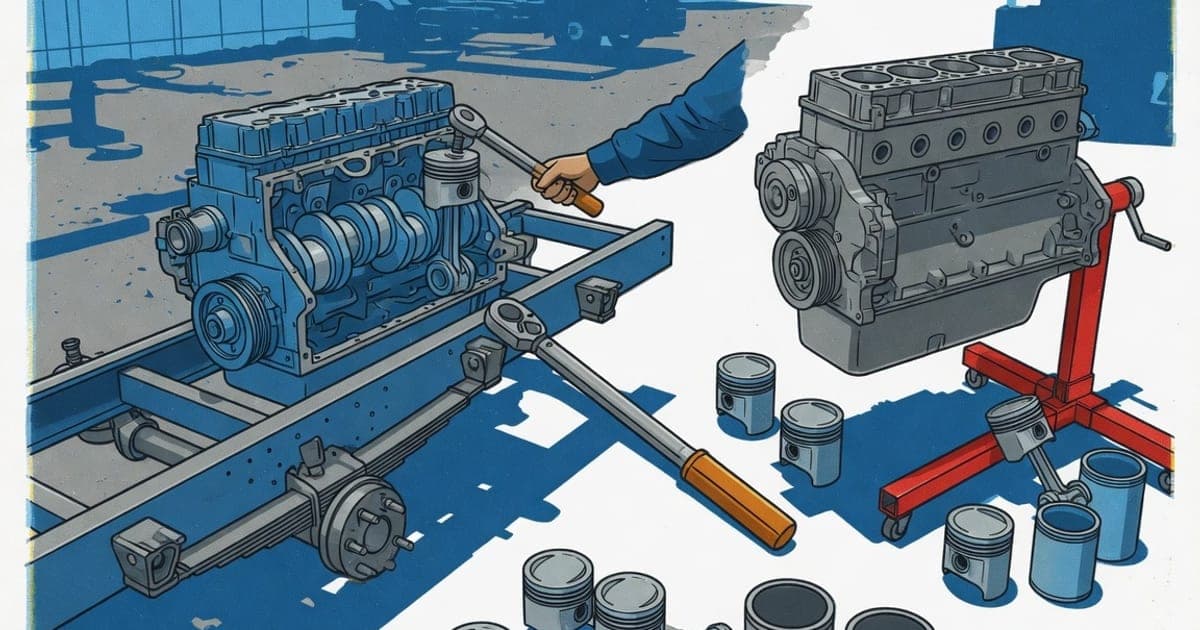
Search this question and nearly every number you find is American: US repair chains quoting US dollars on US labour rates for US-spec engines, which makes those figures close to useless for an Australian owner. The honest Australian answer is that a heavy truck engine rebuild is quoted as a build-up, parts kit plus machining plus labour plus the surprises found on strip-down, and by the time a proper in-frame on a common linehaul engine is invoiced in Australia it lands in the tens of thousands of dollars, with a full out-of-frame higher again. Anyone quoting you a tight national figure without seeing the engine is guessing, so this post explains what drives the bill, how to get quotes that mean something, and when the right answer is not rebuilding at all.
Why every price you find online is American
The engine families in Australian linehaul, Cummins, Detroit, Cat, Volvo, run in the US at ten times the volume, so the internet's rebuild pricing is written there. Three things break the conversion. US workshop labour rates are not Australian rates, and labour is the larger share of the bill. US parts pricing reflects a domestic supply chain, where Australian kits carry freight and local distribution. And US articles quote USD, which readers quietly read as AUD and mis-set their expectations by the exchange rate. Use US material for what it is good for, understanding the job, and get the numbers from Australian workshops in writing.
In-frame versus out-of-frame: what each actually includes
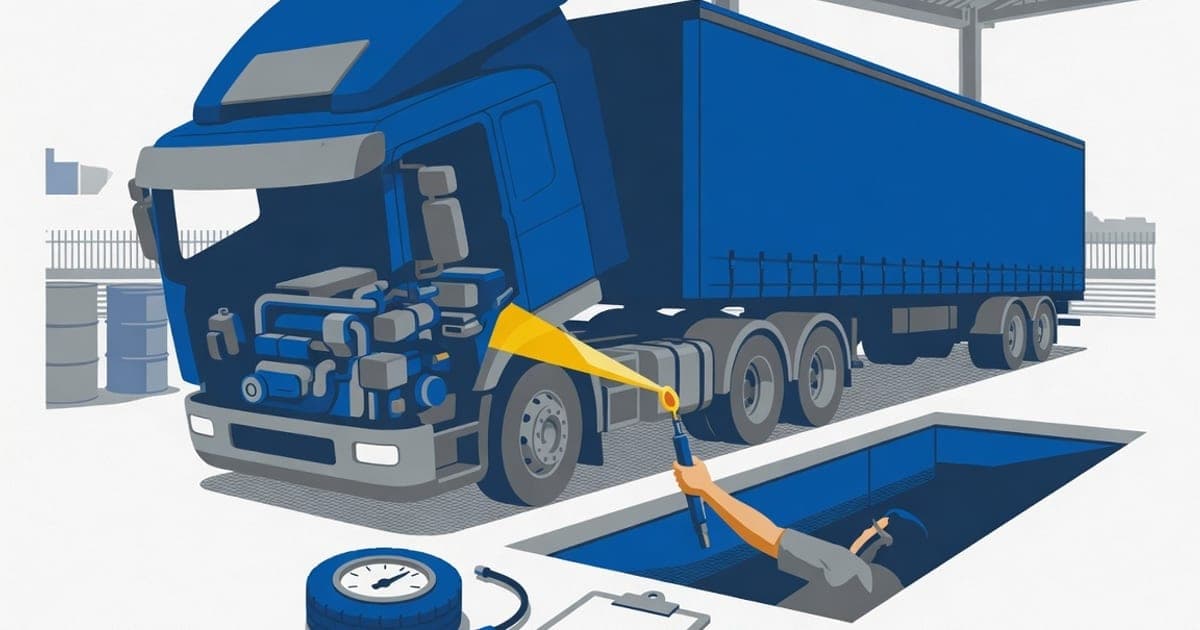
An in-frame rebuild happens with the block still in the chassis. Typically: cylinder head off, liners, pistons, rings and rod bearings replaced, main bearings rolled in where the design allows, new gaskets and seals, head serviced or exchanged, injectors commonly replaced or serviced, and the cooling and lubrication circuits cleaned and checked. It is the standard mid-life reset for engines designed around replaceable wet liners.
An out-of-frame rebuild pulls the engine. Everything above plus the crank measured and machined or replaced, the block machined as needed, camshaft and followers inspected or replaced, and the accessories, turbo, water pump, oil pump, dampers, dealt with properly while access is total. It is the deeper, dearer job, chosen when the bottom end is suspect, when the block needs machine work an in-frame cannot reach, or when the truck is being set up for another full service life.
The names describe access, not quality. A careful in-frame on a healthy bottom end is a legitimate reset; an in-frame sold as cheap insurance on a worn crank is money burned.
The labour and parts split, and Australian workshop rates
Workshop and industry commentary is consistent that labour and machining, not the parts kit, make up the larger share of a rebuild bill, especially out-of-frame, where removal, refit and machine shop time stack up in days of workshop time. That is why the same kit produces very different invoices in different postcodes: the metal is priced nationally, the hours are priced locally. It is also why quotes must name their labour assumptions. A meaningful Australian quote itemises the kit and parts by part number, machine work as its own lines, labour hours and the hourly rate, fluids and consumables, and a stated contingency process for what strip-down finds. Get three of those, from named workshops, dated, and state plus GST or including it, and you now know what a rebuild costs for your engine in your town, which is the only version of this number that exists.
What a rebuild kit contains and what always gets found on strip-down
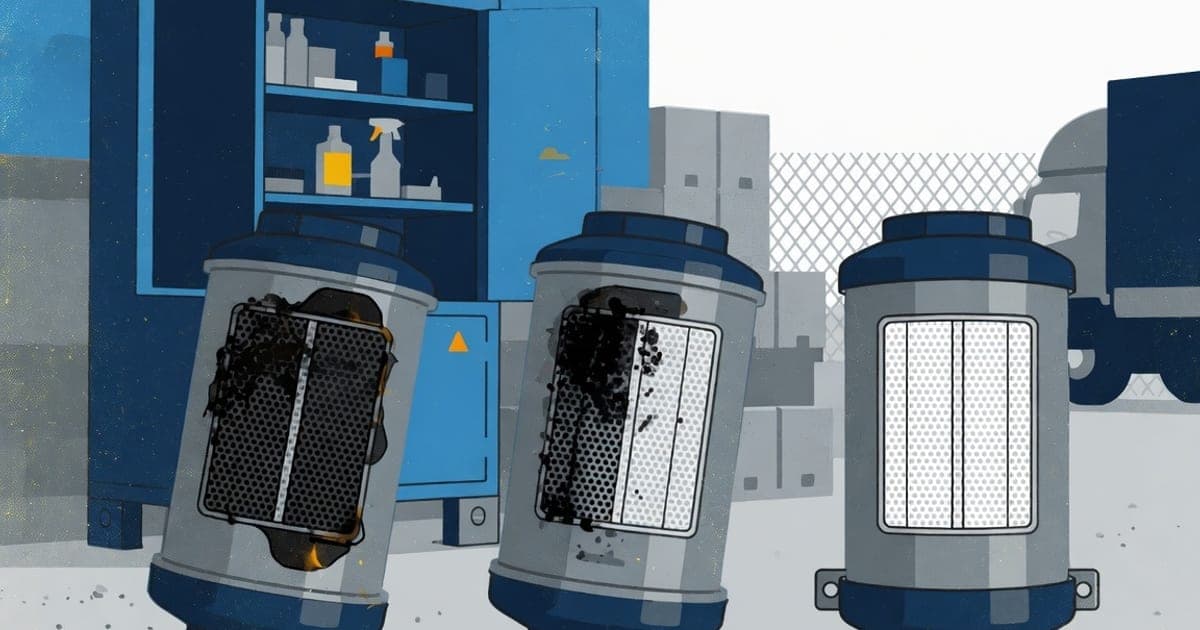
A typical heavy diesel overhaul kit runs to liners, pistons, rings, piston pins, rod and main bearings, and the gasket and seal sets. Injectors, water pump, oil pump, thermostats and hoses are commonly added as while-you-are-in-there items, and on emissions-era engines the aftertreatment hardware gets inspected on its own merits, because a fresh engine breathing through a dying DPF stays a problem truck; see DPF cleaning versus replacement for that side of the bill.
Then there is what the strip-down finds, and it always finds something: a crank that needs grinding, a head past its last skim, a cam lobe going off, cracked exhaust manifolds, a turbo with play. This is not the workshop padding the job, it is why the engine was worn enough to rebuild. Budget a contingency in your own head beyond the quote, and prefer the workshop that phones you with photos before fitting anything unquoted.
Exchange engines and reconditioned units as the alternative
The alternative to rebuilding your engine is buying one already done: manufacturer exchange programs (Cummins' recon program being the established example of the class) and independent reconditioners supply rebuilt units on exchange, and good secondhand takeouts move through the parts market constantly. Exchange suits an operator who needs the truck earning again this week, wants a warranty backed by a large organisation, and can accept losing their own engine's known history to the exchange pool. An independent recon or a documented low-kilometre takeout can undercut both options; the discipline is the paperwork, because a "rebuilt" engine without invoices is just a painted engine, the same rule that governs any secondhand driveline purchase in buying used truck parts without getting burnt. Freight, a changeover deposit and peripheral swap-over labour belong in the comparison before you call exchange cheaper.
The signs an engine is due: blow-by, oil, coolant, power
Engines rarely fail without a long conversation first:
- Blow-by. Combustion gas past the rings pressurises the crankcase and puffs from the breather; heavy, steady breather flow under load is the classic sign of ring and liner wear.
- Oil consumption trending up. Every engine uses some; the signal is the trend across services, which is why oil records matter more than any single dipstick check.
- Coolant going somewhere. Unexplained loss, oil in coolant or coolant in oil points at liner seals, head gasket or core problems, and on wet-liner engines that conversation often ends at a rebuild.
- Power and economy sliding. Worn engines work harder to do the same job, and drivers feel it on the hills before the gauges show it.
An engine wearing two or more of these is telling you where it is in life. Which engines wear how, and what their histories tend to look like, is covered in the X15, DD15 and D13 compared.
Rebuild or replace the truck: doing the sum
The rebuild decision is really a truck decision. Set the honest numbers side by side: the written rebuild quote with contingency, against what the truck is worth healthy, what it is worth now as-is, and what a replacement truck actually costs to put to work, using current used prime mover prices as the reference. A rebuild makes sense when the chassis, cab, gearbox and diffs still have life, when the truck suits your work, and when the quote is a modest share of the truck's healthy value. It stops making sense when the rebuild is one line in a longer list, when the truck is the wrong truck anyway, or when the same money moves you into a vehicle with fewer unknowns. Kilometres alone do not decide this; component position does, as argued in how many kilometres is too many.
Negotiating a truck that needs one
Now reverse the chair: you are buying, and the truck in front of you shows blow-by and an oil habit. A truck priced as though it has a good engine, that needs a rebuild, is not a bargain, it is a full-priced truck plus a rebuild. The negotiation is arithmetic, the same method as any major component: get the evidence (oil report, ECM data, a workshop's opinion), get a written rebuild estimate, and put both against the asking price. Sellers meet evidence far more readily than opinion. And sometimes the arithmetic works for you deliberately: buying a structurally excellent truck with a known-tired engine at the right discount, and rebuilding it your way with invoices in your name, is how many of the best trucks on the road got that way. If you go that route, price engine-out consumables and peripherals across the truck and trailer parts listings while the quotes are in front of you.
What to do next
If your truck is showing the signs, get the oil sampled and three written quotes this month, not after the failure, because a planned rebuild is cheap compared to a tow, a stripped schedule and a distressed decision. If you are shopping, treat every engine as guilty until its paperwork proves otherwise, and browse with the full bill in mind across the current truck listings. And if your sums come out at replace rather than rebuild, the truck you are leaving behind is still someone else's project: list it free, state the engine's condition and the evidence plainly, and price it with the rebuild already subtracted. Honest tired trucks sell faster than dishonest healthy ones.
No dollar figures in this post are quoted beyond order of magnitude, deliberately: rebuild pricing is a build-up of local labour, machining and parts, so the only numbers worth acting on are dated written quotes from named Australian workshops for your engine, stated plus GST or including it.