DPF Cleaning vs Replacement: What It Costs and Why Deleting Is Not an Option
7 min read
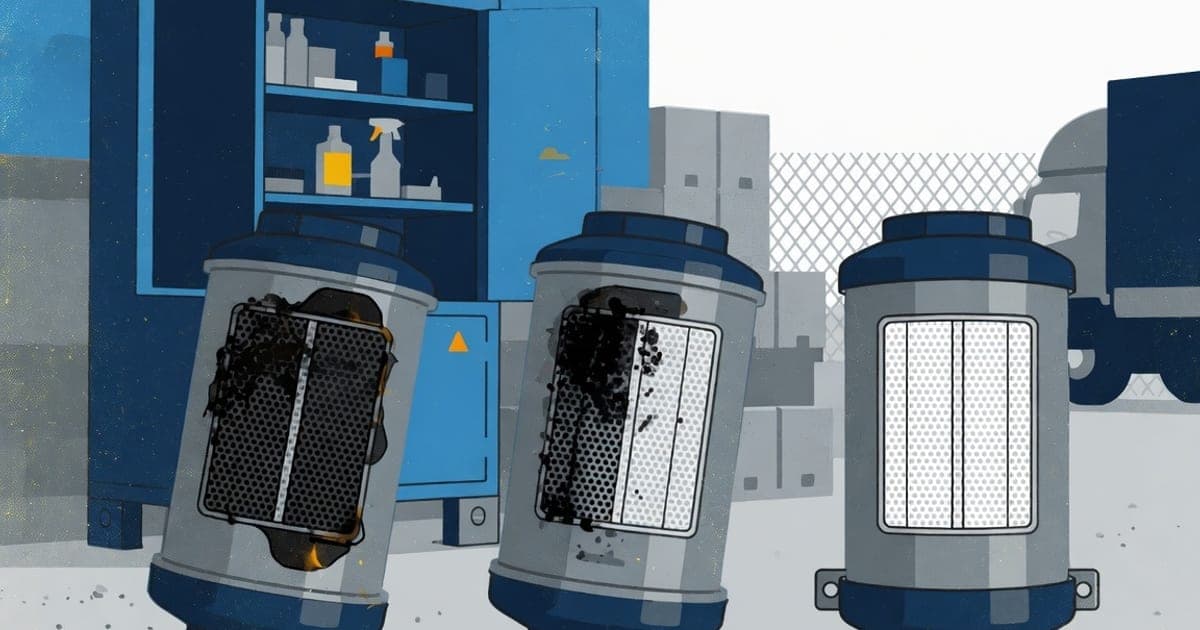
A blocked diesel particulate filter has three honest outcomes: a successful regeneration, a professional clean, or a replacement, in that order of cost. There is a fourth option all over page one of Google, the delete, and it is unlawful on a road-registered vehicle in Australia, which this post will say plainly because almost nobody else ranking for this query has a reason to. The practical summary: cleaning is a fraction of replacement money and fixes soot loading, replacement is the answer for ash-packed and damaged filters, and the businesses selling deletes are selling you a compliance problem with your name on the rego papers.
What a DPF does and why it blocks
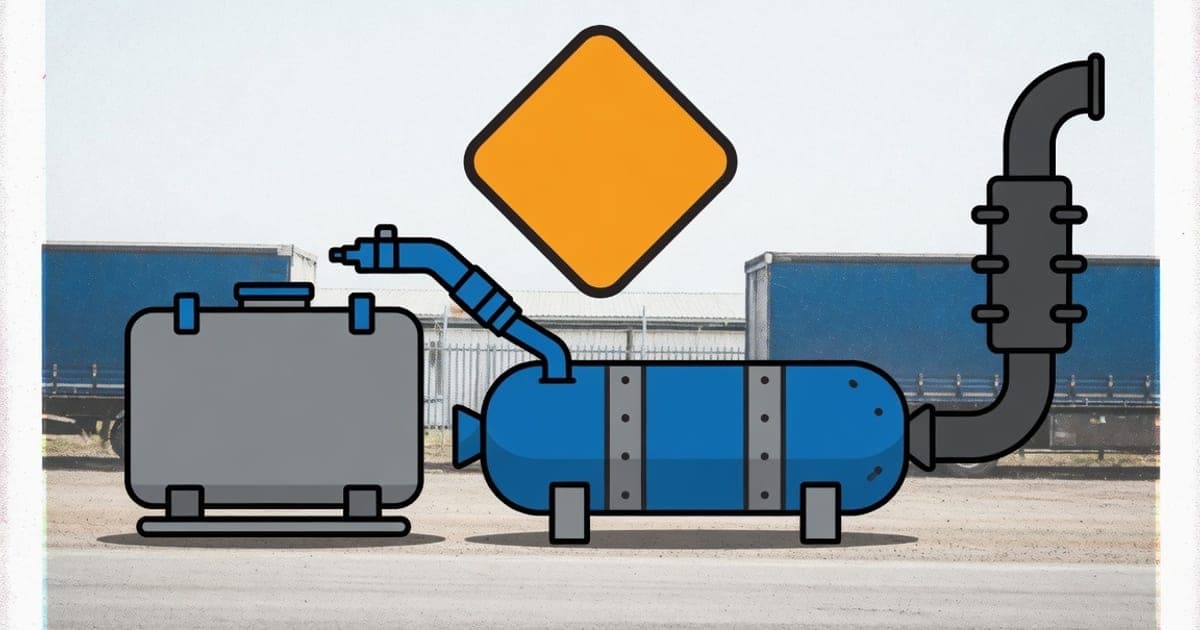
The DPF is a ceramic honeycomb in the exhaust that physically traps soot rather than letting it out the stack. It is why a modern truck does not smoke. Trapped soot is burned off in the filter during regeneration, but a second residue, ash from burned engine oil, cannot be burned off at all: it accumulates for the filter's whole life until it is professionally cleaned out or the filter is replaced. Soot loading is a daily cycle; ash loading is a slow tide. Both raise back-pressure, and back-pressure is what the truck is complaining about when the DPF lights come on.
Which trucks carry one is a function of emissions generation: heavy vehicle emissions standards in Australia are set by the ADR 80 series of Australian Design Rules, administered by the Commonwealth Department of Infrastructure, and the latest generation of trucks pairs a DPF with SCR (the AdBlue system, covered separately in AdBlue and SCR faults). The compliance plate and the hardware under the truck tell you what a specific vehicle runs.
Passive, active and forced regeneration explained
Passive regeneration happens free of charge when the duty cycle is hot enough: sustained highway load lifts exhaust temperature to where trapped soot oxidises continuously. Linehaul trucks live here, which is why their filters last.
Active regeneration is the truck intervening: the engine management raises exhaust temperature, commonly by injecting extra fuel, to burn accumulated soot when passive conditions have not occurred. It costs a little fuel and happens automatically.
Forced (stationary or manual) regeneration is the workshop or driver-initiated version, parked, at elevated idle, tool-connected or button-driven, used when soot loading has climbed past what active regens can clear. Frequent forced regens are not a solution; they are a symptom that duty cycle, engine health or the filter itself needs attention.
The pattern to respect: a truck doing short, cold, stop-start work never gives the system what it needs, soot outruns regeneration, and the spiral into derate begins. That is a duty cycle problem wearing a DPF warning light.
The symptoms of a failing DPF and the derate
Early signs are quiet: regens happening more often, fuel economy sagging, the smell of a regen more frequently. Then the lights: DPF lamps, check engine, and eventually the engine protection strategy that every operator dreads, the derate, where the engine management progressively cuts power, and on some systems ultimately restricts the vehicle to limp conditions, to force the fault to be fixed. A truck in derate on the side of a freight corridor is losing money by the hour, which is exactly the pressure delete marketing feeds on. The correct response to a derate is diagnosis: soot-loaded filter, failed sensor, dosing problem or cracked substrate are different bills, and guessing buys the wrong one.
Cleaning: what the process is and what it costs
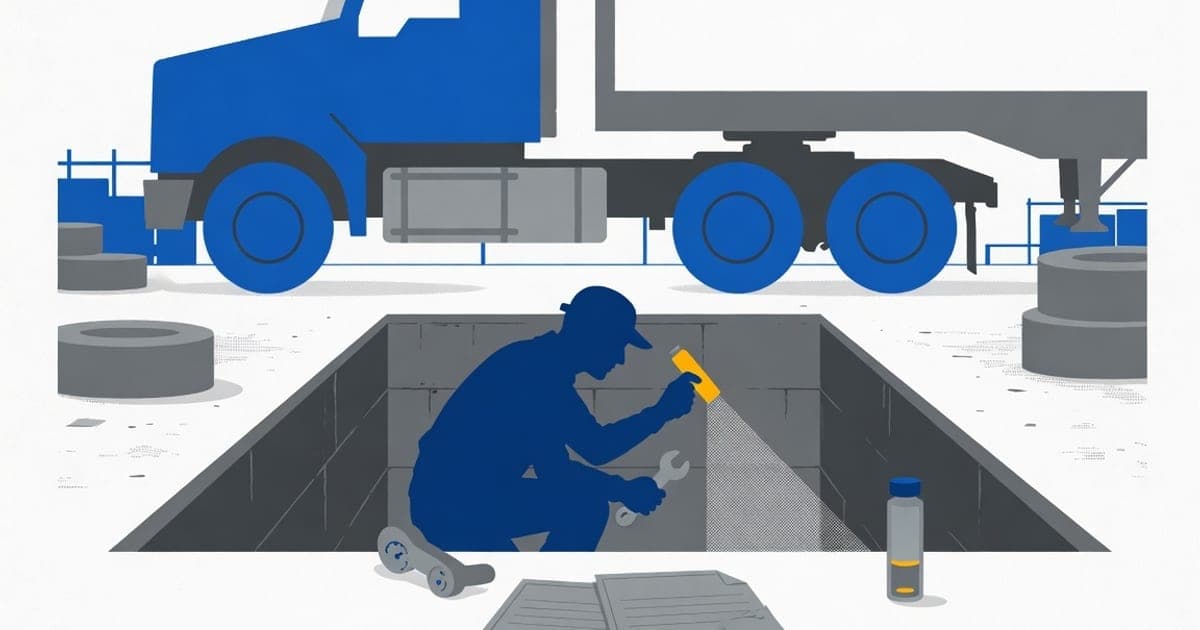
Professional DPF cleaning removes the ash and stubborn soot that regeneration cannot: the filter comes off the truck and goes through machine cleaning, typically staged air-knife or flow cleaning, a controlled thermal bake, and a second clean, with the filter flow-tested and reported before and after. That report is the point: a genuine cleaner measures the filter's recovery and tells you if the substrate is beyond saving, rather than handing back a painted problem.
On advertised pricing from Australian DPF cleaning specialists in early August 2026, heavy vehicle filter cleaning is quoted in the hundreds of dollars per filter, plus GST, with removal and refit labour on top if a workshop does it, while replacement assemblies run into the thousands and beyond, which makes the cleaning-first path close to self-arguing where the substrate is sound. Cleaning intervals are a maintenance item in manufacturer service schedules, not a failure event: fleets that clean on schedule rarely meet the roadside version of this story.
Replacement: genuine, aftermarket and exchange units
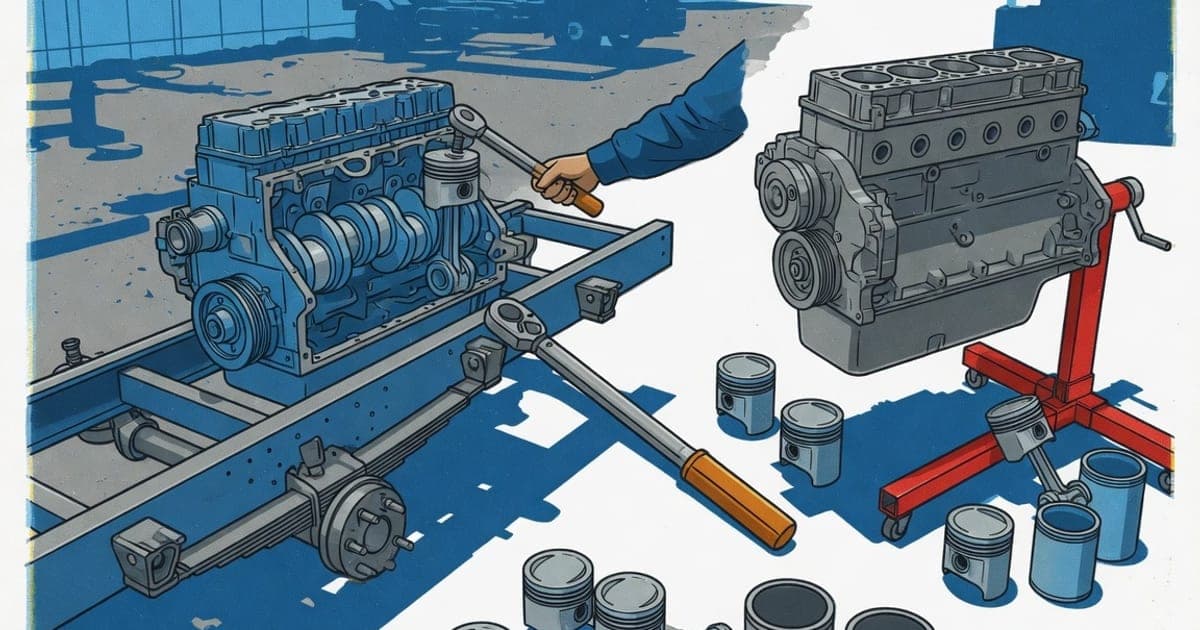
Replacement is the answer when the substrate is cracked, melted, oil-soaked or simply at end of life. The market splits three ways: genuine assemblies through the dealer network, at the top of the price range; aftermarket filters from established emissions parts brands, meaningfully cheaper and varying in quality with the maker; and exchange programs, where a cleaned and tested unit swaps against your core. On Australian advertised pricing in early August 2026, heavy truck replacement DPF assemblies range from the low thousands for common aftermarket units into five figures for some genuine late-model assemblies, plus GST, and the honest move is to price all three channels against the specific part number before deciding, because the spread on one truck can be the price of a second repair. Secondhand filters from wreckers exist too; treat them as unknown-ash, unknown-history parts that need cleaning and flow testing before fitting, with the usual used parts discipline about identity and return terms.
Why the delete option on page one of Google is unlawful
Search any DPF fault and the deletes appear, sold as the permanent fix. Two things are true about those pages. First, nearly every one is published by a business that sells deletes, which is worth weighing when you read their version of the law and the risk. Second, the law itself: a road-registered heavy vehicle must continue to comply with the emissions standards it was built to, the ADR 80 series, and removing or disabling its emission control equipment takes it out of compliance. The Heavy Vehicle National Law's vehicle standards framework, administered by the NHVR, covers modifications and the requirement that vehicles meet the applicable standards, and state environment protection legislation separately prohibits tampering with vehicle emission controls, with the state EPAs enforcing it. Penalties and exact provisions vary by jurisdiction, and tuner blogs quote conflicting figures, so we are deliberately not printing a penalty number: check the NHVR (nhvr.gov.au) and your state EPA for the current position, and treat any workshop that says "everyone does it" as telling you about their risk appetite, not your liability.
The practical exposure lands on the operator: a deleted truck is unroadworthy against its standards, sits badly with any inspection or defect process, complicates insurance conversations, and has to be either un-deleted or disclosed at sale. On a work vehicle carrying your ABN down a highway, that is not a tune, it is a liability with an exhaust note.
Preventing the next blockage: duty cycle and oil spec
Three habits keep filters out of this post. Give the truck heat: where the work allows, regular sustained highway load does the regeneration for free, and chronic short-run trucks need their regen strategy managed deliberately rather than ignored. Fix the engine problems that make soot: injectors, turbo issues, air restrictions and coolant leaks all load the filter faster than the design assumed. And run the right oil: manufacturer service literature specifies low ash (low SAPS) oils for DPF-equipped engines precisely because ash from oil additives is the residue cleaning exists to remove, so every service with the wrong oil is a deposit in the filter you will pay to withdraw. The oil spec is on the engine's service sheet; matching it is the cheapest DPF maintenance there is.
How DPF history should change what you pay for a used truck
On an emissions-era truck, the aftertreatment system is a major component with its own position in its life, exactly like the engine or clutch. Ask for the DPF's history in the first conversation: cleaning invoices with dates and kilometres, any replacement records with part numbers, recent forced regen frequency, and any derate history in the ECM report. A truck with a documented recent clean and healthy regen behaviour is worth more than the identical truck with silence in the folder, and a truck with a delete is a truck you price to include putting the system back to compliant, or walk away from. Fold it into the same component ledger used across the used prime mover inspection checklist and the price adjusts itself.
What to do next
If your truck is regenerating too often, book the diagnosis before the derate books it for you, and get the filter's ash life assessed against the service schedule. If you are buying, put DPF history on the question list for every emissions-era candidate in the current truck listings. And if you are selling a truck with a healthy, documented aftertreatment system, that folder is money: list it free and state the DPF service history plainly, because buyers who have read this far pay for proof.
Price observations describe advertised Australian DPF cleaning and replacement pricing in early August 2026, plus GST, and vary with part number and region; legal position summarised from the ADR 80 series framework, the Heavy Vehicle National Law vehicle standards administered by the NHVR, and state environment protection law. Checked 6 August 2026; confirm current requirements with the NHVR and your state EPA before acting.