Isuzu vs Hino vs Fuso: Choosing a Used Japanese Rigid Truck in Australia
7 min read
For most rigid truck jobs in Australia, the honest answer is that a well-kept example of any of the three Japanese brands beats a neglected example of the other two, and the deciding factors are the specific truck's history, the dealer and parts coverage where you operate, and the body already on the back. Isuzu brings the deepest market and the strongest resale, Hino trades on its dealer network and driveline options, and Fuso is often the sharpest buying for equivalent spec. The differences are real but they are second-order: this guide covers where each brand sits, the engines and transmissions you will meet in listings, the weak points workshops actually report, and how to pick by job rather than by badge.
Why these three dominate the Australian rigid market
Walk any industrial estate and the light and medium rigid work is overwhelmingly Japanese. Isuzu has topped the Australian truck sales charts for decades, a run the industry press reports on annually, and Hino and Fuso have held the next positions in the light and medium classes for most of that time. That market depth is self-reinforcing in the used market: more trucks means more wrecks, more parts, more mechanics who know them, and more buyers when you sell. Whatever the brochure arguments, the practical case for staying inside these three brands is that everything about owning one is easier.
Model ranges and how the naming works
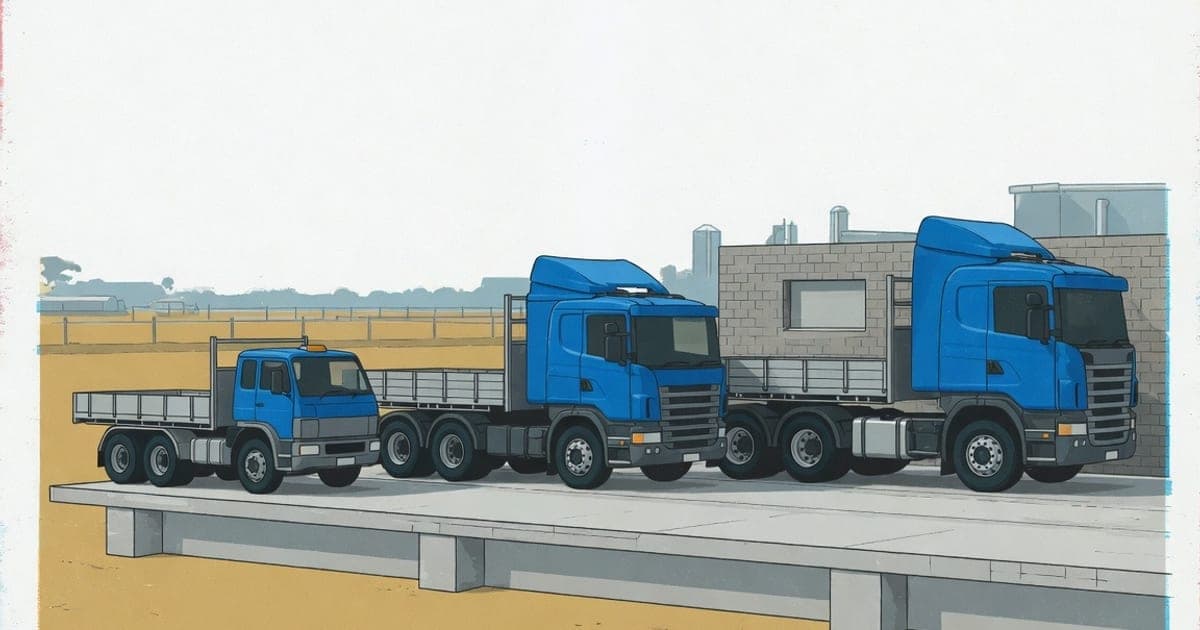
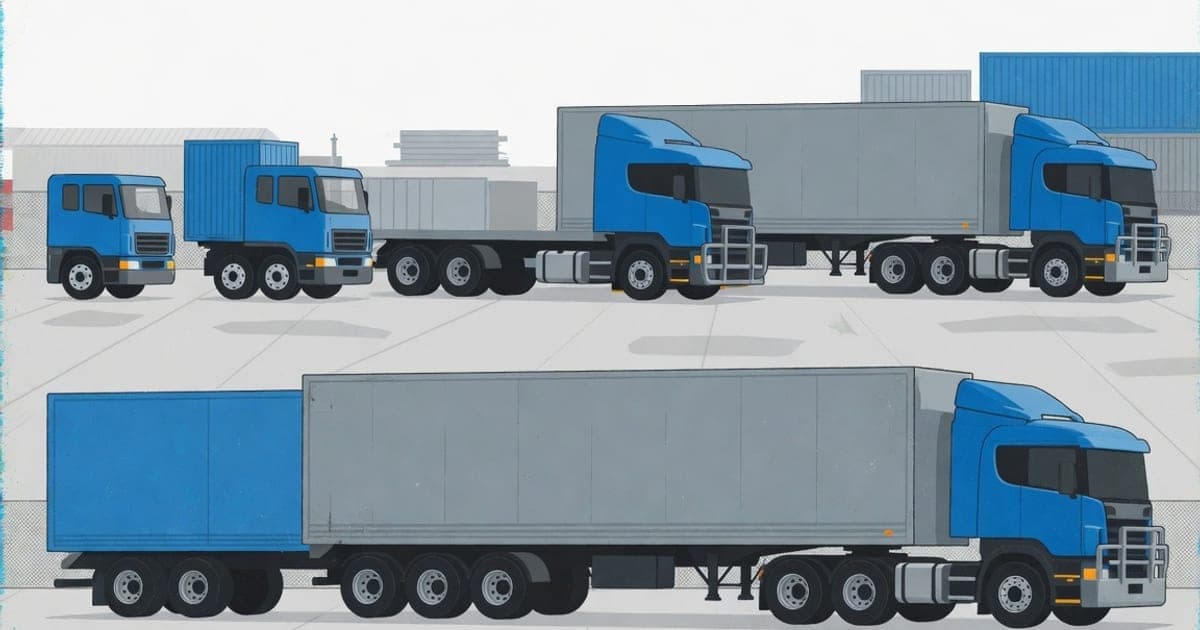
The ranges map onto each other closely. Isuzu runs the N Series in the light classes (NLR, NNR, NPR, NQR and related codes), the F Series in the medium classes (FRR, FSR, FTR through to the 6x4 FVZ and similar), and the FX and FY heavy range above that. Hino runs the 300 Series light cab-over, the 500 Series medium range and the 700 Series heavy. Fuso runs the Canter in the light classes, the Fighter in the medium range and heavier models above it. Within each family the model code encodes GVM, wheelbase and cab, so two trucks with the same family name can be very different sizes: read the code, and read the compliance plate, not the marketing name.
The GVMs in these ranges straddle the licence boundaries, from car licence 4.5 tonne variants up through light rigid, medium rigid and into heavy rigid territory, so the same shortlist can require three different licences. Check where a specific truck lands against the truck licence classes before you fall for it, and if you are staying at the bottom of the range, note that the 4.5 tonne car licence versions carry a price premium because of the licence line they sit under.
Engines: the codes you will meet
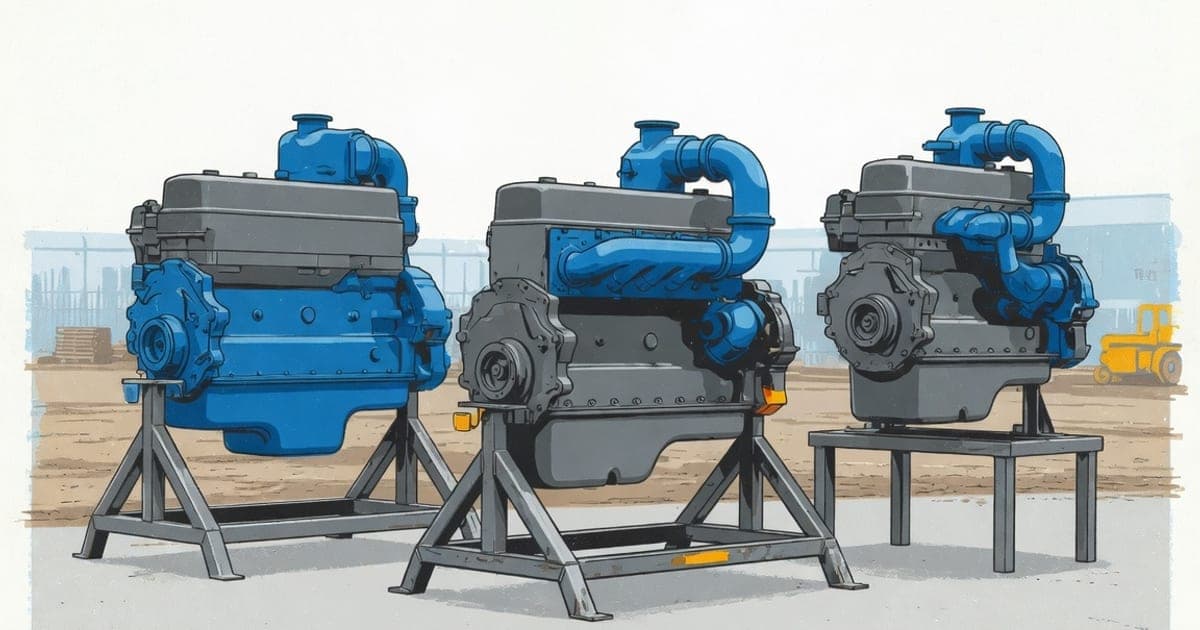
Listings and workshop talk lean on engine codes, and it pays to recognise the common ones. In Isuzus you will mostly meet the 4HK1 four-cylinder in the N Series and lighter F Series, and the 6HK1 six-cylinder in the heavier F Series. Hino's light 300 Series has run the N04C four-cylinder, with the J05 and J08 families long associated with the 500 Series and larger engines above them in the 700. Fuso Canters of the modern era run the 4P10 four-cylinder, with the Fighter long associated with the 6M60 six.
Treat those as orientation, not gospel. Engine fitment shifted across generations, markets and GVM ratings, and listings regularly get it wrong, so verify the actual engine against the build plate and the manufacturer's specification sheet for that model year before you buy parts or make assumptions about service intervals. The manufacturer document is the authority; this post is a map of what you are likely to find.
Transmissions: AMT, full auto and manual
All three brands have sold conventional manuals, automated manual transmissions and, in parts of their ranges, torque converter automatics. The distinction matters more than buyers expect. A torque converter automatic (the Allison is the one commonly optioned in medium Isuzu and Hino models) suits stop-start, PTO and tipper work because it takes up drive smoothly under load. Automated manuals, including Fuso's dual-clutch DUONIC in the Canter, are efficient and easy to drive but live harder lives in constant creep work, and clutch packs and calibration issues in stop-start duty are a recurring theme in workshop commentary across the class. On a used truck, how the transmission takes up drive from rest on a hill tells you more than the spec sheet does. Confirm which unit is actually fitted, because within one model family the auto and the AMT are very different ownership propositions.
Parts, dealer coverage and downtime in regional areas
All three brands have genuinely national dealer networks by the standard of the truck industry, and all three are well supported by independent workshops and aftermarket parts in the capitals. The differences show up in the regions, and they are local rather than national: one town has a strong Hino dealer, the next has an Isuzu agent and a wrecker full of N Series. Before you commit, make the specific check: who within reach of your work can service and diagnose this truck, and what do local operators say about parts turnaround. That local answer should outweigh any national generalisation, including the ones in this post.
Known weak points and what to inspect
Workshop and owner commentary on all three brands points at the same clusters of issues rather than at one fatal flaw per badge. Reported themes to check on any of them:
- Emissions systems on urban duty cycles. Post-2008 trucks doing short stop-start runs never get the exhaust heat their DPF systems were designed around, and blocked filters, forced regenerations and limp modes are the single most common complaint reported across the class. Ask for the regeneration and fault history, and be wary of a city truck with no DPF paper trail.
- Clutch and calibration on automated manuals in waste, delivery and tipper work, as above.
- Cooling system neglect, because these engines tolerate it badly and a cheap radiator and coolant history is the difference between a long-lived engine and a cracked head.
- Bodies and PTO gear fitted by third parties, which age on their own schedule regardless of badge.
None of this is a reason to avoid the class; it is a reason to buy history rather than kilometres. These trucks are widely and fairly regarded as long-lived when serviced, and the used market prices that reputation in.
Resale: what holds value in the used market
Observed asking prices on trucksales.com.au and machines4u.com.au in early August 2026 show the pattern most buyers already suspect: Isuzu asks the strongest money for equivalent age and kilometres, Hino sits close behind, and Fuso is frequently the value buy going in, with the corollary that it returns a little less coming out. The gaps are moderate rather than dramatic, and a documented service history moves any of the three up the range more than the badge does. Almost everything in this class is advertised plus GST by dealers and fleets; confirm the treatment on private sales.
Picking by job, not by badge
| The job | What matters most | Sensible approach |
|---|---|---|
| Metro pallet and courier work | Duty cycle killed DPFs, auto take-up, body condition | Any of the three with a clean emissions history; favour the torque converter auto |
| Tipper and landscape supply | Transmission type, PTO and hoist history, tare | Medium F Series, 500 Series or Fighter with body and hoist inspected as carefully as the truck, per the tipper price guide |
| Regional and rural cartage | Dealer and parts proximity, cooling history | The badge with real support in your town |
| First truck on a car licence | GVM on the plate, honest payload after fitout | A 4.5t GVM variant, bought knowing the payload is modest |
Buying and selling these trucks
The Japanese rigid market rewards boring virtues: books, hours, one careful fleet. Browse the current used Isuzu, Hino and Fuso stock and compare asking prices for the same model code across states before you negotiate. If you are selling, list the truck free and put the engine code, GVM, transmission type and service history in the first lines of the description, because those are the four facts every serious buyer of these trucks filters on.
Market observations are drawn from asking prices on trucksales.com.au and machines4u.com.au in early August 2026, typically quoted plus GST. Engine and model fitment varies by generation; verify against the build plate and manufacturer documentation for the specific truck.