What Does a Used Semi Trailer Cost in Australia? Prices by Type, Age and Build
5 min read
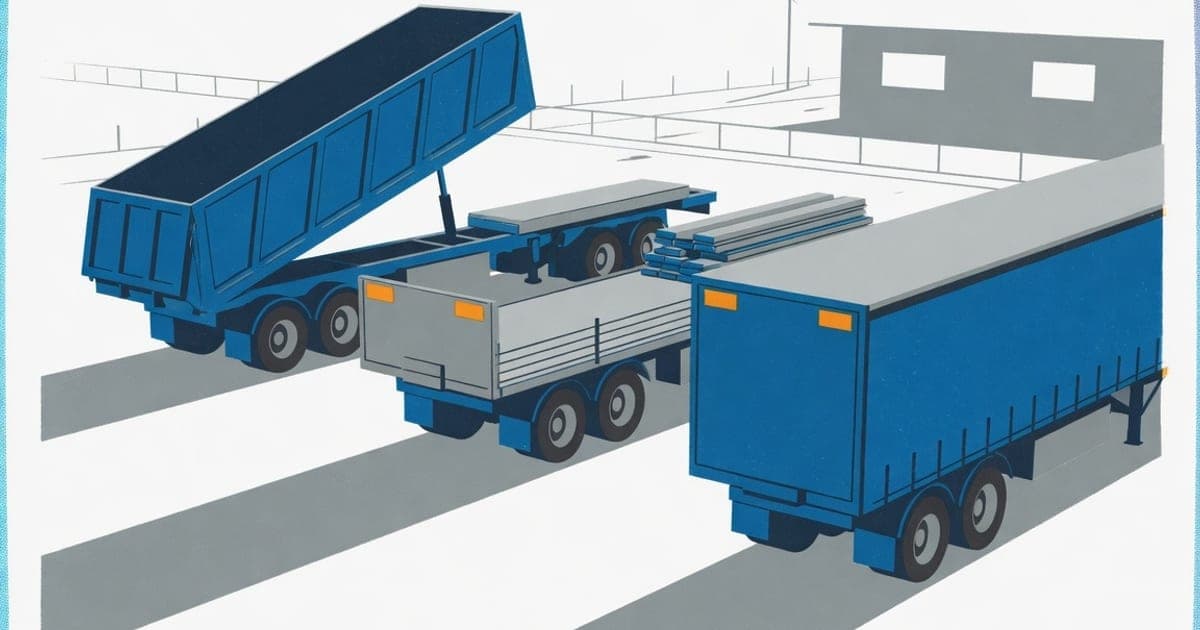
Used semi trailers in Australia advertise from under $10,000 for an honest old flat top to well past $150,000 for late-model specialised gear, and type matters more than age. Based on asking prices visible on trucksales.com.au, machines4u.com.au and Gumtree in early August 2026, older flat tops commonly ask between about $8,000 and $30,000, working tautliners mostly sit between $25,000 and $90,000 with late-model units into six figures, drop decks between roughly $30,000 and $100,000, and tipper semis from around $40,000 to $140,000, with tankers, refrigerated vans and low loaders spread too widely for a useful single band. Nearly everything in this market is quoted plus GST. Within any band, chassis condition, suspension type and compliance paperwork move a trailer tens of thousands, and this guide is about reading those three things.
Why trailer prices spread so widely
A trailer has no engine to wear out, so its value hangs on structure, running gear and compliance status rather than a kilometre reading. That is why a thirty-year-old flat top can still be worth real money while a much younger trailer with a cracked chassis is worth its axles. It is also why the market punishes unknowns: no service history, no rego, no compliance plate, no sale. When you compare listings, you are not comparing ages; you are comparing how much structure and paperwork survive.
Price bands by trailer type
Observed asking prices, trucksales.com.au, machines4u.com.au and Gumtree, early August 2026, typically plus GST:
| Type | Typical asking range | What moves it inside the band |
|---|---|---|
| Flat top | Roughly $8,000 to $30,000 older; more late model | Chassis and deck condition, brakes, rego status |
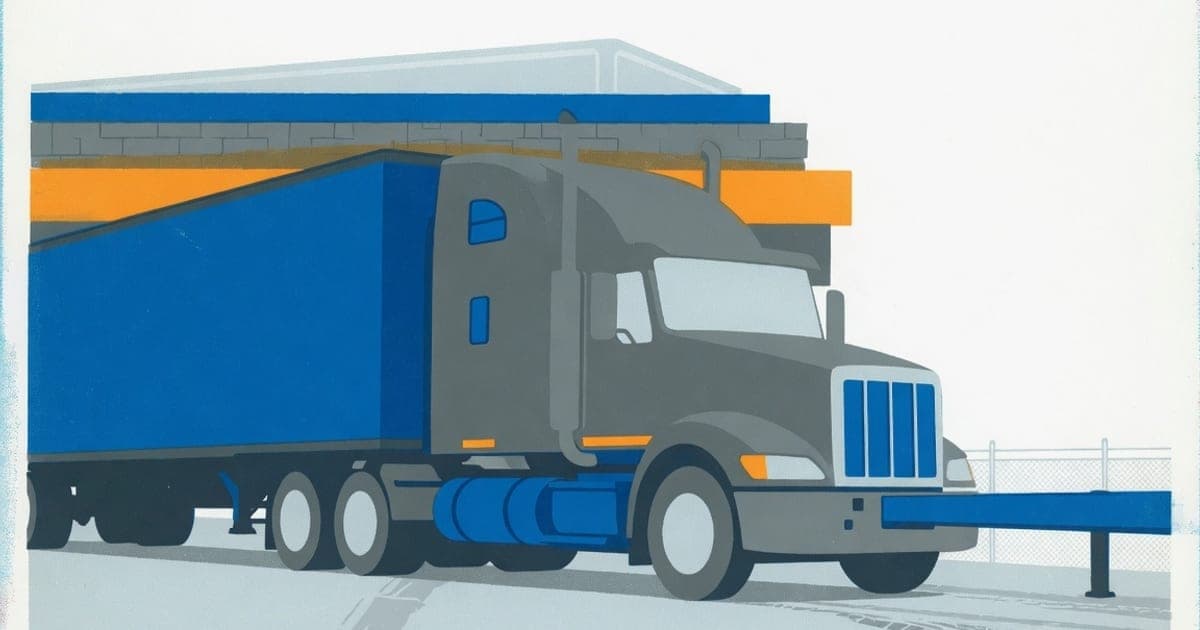
| Tautliner | Roughly $25,000 to $90,000; late model into six figures | Curtain and roof condition, mezz decks, gates, suspension spec |
| Drop deck | Roughly $30,000 to $100,000 | Ramps, deck condition, extendable gear |
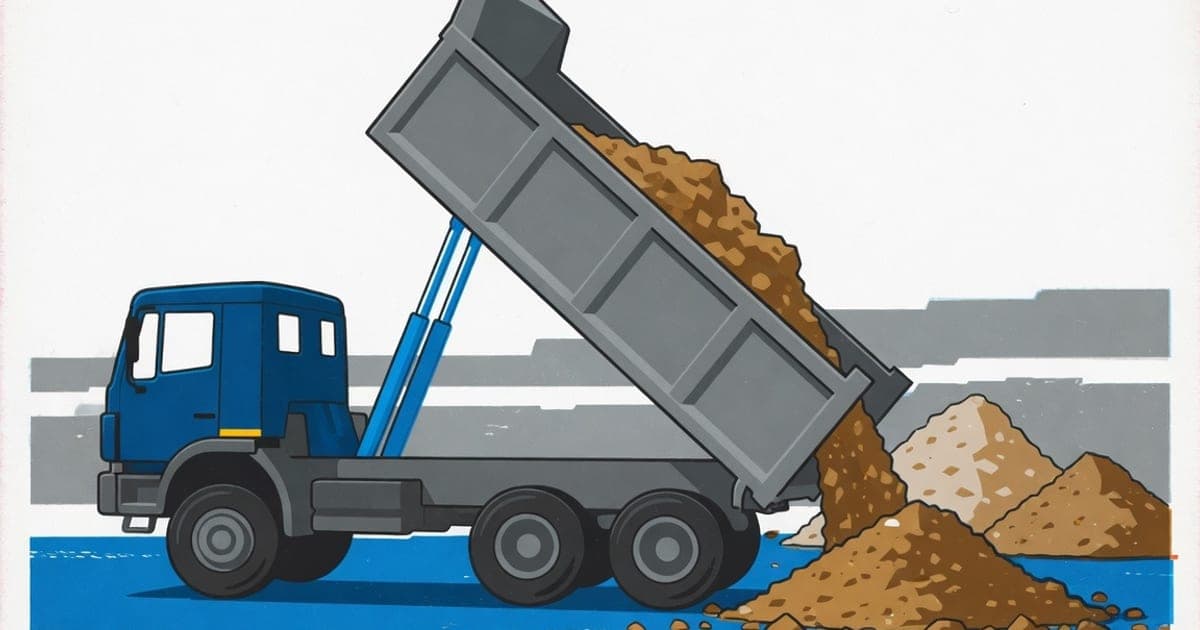
| Tipper semi | Roughly $40,000 to $140,000 | Body material and wear, hoist, door type |
| Skel | Wide, condition-led | Pins, locks, chassis straightness |
| Tanker, fridge van, low loader | Too specialised for one band | Compliance history and fit for your exact task |
For what each type is actually for and the trade-offs between them, the trailer type guide covers the choice properly; this post stays on price and condition.
Australian-built vs imported: what the market pays
The names you will meet most are the established Australian builders: Vawdrey, Krueger, MaxiTRANS (with the Freighter and Maxi-CUBE lines), Barker and a field of specialist fabricators. The used market consistently asks stronger money for the known local builders, partly reputation, partly the practical points that parts, repair drawings and service agents are here, and partly resale confidence. Imported trailers can be entirely sound buying, but ask harder questions: who supports the axles, suspension and landing gear locally, and what is the compliance story. That is a market observation from listings, not a build-quality ranking, and a well-kept trailer from any origin beats a flogged one from a famous shed.
Age, chassis condition and what ends a trailer's life
Trailers die of structure, not birthdays. On inspection, spend your time at: the chassis rails and cross members around the suspension hangers, looking for cracking and old welded repairs; the king pin and skid plate for wear and gouging; the coupling area and landing legs; corrosion anywhere the trailer carted salt product, stock or lived on the coast; and the deck or floor, which is expensive to replace and honest about the trailer's life. A straight repair with paperwork is normal in a working trailer's history; a chassis full of undocumented welds is a walk-away, because you are buying someone else's fatigue problem.
Check the identity while you are under there: the compliance or identification plate and the VIN stamping must be present, legible and matching the papers, because a trailer without them is a registration problem your state road authority will make yours. Registration and inspection requirements for transfer vary by state, so confirm the process with your authority before sale day.
Suspension, brakes and electronics: what compliance gear is worth
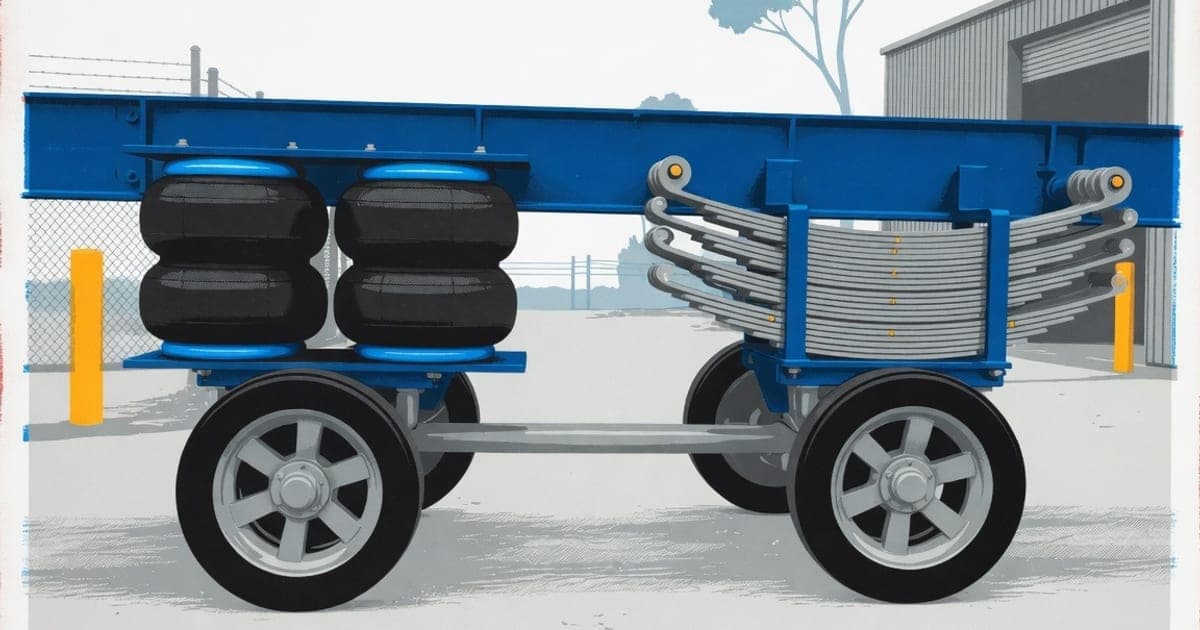
Running gear is where a used trailer earns or loses its price. Airbag suspension in good order, disc brakes, EBS and a documented brake history all push a trailer up its band, and their absence pushes it down, because the buyer inherits the upgrade cost. The detail that matters most commercially: certified road-friendly suspension is what unlocks Higher Mass Limits access under the NHVR's rules, and the certificate is the asset, not the airbags themselves. If HML is part of your business case, read how CML and HML actually work before you pay an HML premium, and note the mass rules changed on 1 August 2026, so verify the current position at nhvr.gov.au. The suspension choice itself, spring against air, is compared properly in the trailer suspension buyers guide.
B-double and road train sets: buying as a pair
Sets are worth more than the sum of two singles when they were built and plated as a set, and less when someone has married two odd trailers. On a B-double set, inspect the lead trailer's turntable and pin area as hard as anything on the combination, confirm both trailers' compliance and rego status separately, and price the set against your actual network access rather than the seller's story about where it can run. Buying a tag trailer for a set you own already? Measure, do not assume: couplings, heights and electrics all bite.
Inspection points that change the price
Beyond structure, the negotiation list on most trailers is: tyres (a full set is real money), brake linings and drums or rotors, airbags and shocks, curtains and buckles on a tautliner, gates and ropes rails, landing leg operation, lights and wiring condition, and the paperwork pile: rego, compliance plate photo, any engineering certificates, and suspension certification if HML is claimed. On tipper semis, the body and hoist carry their own list, covered in the tipper trailer buying guide. Every item on that list is either evidence of care or a line in your offer.
Buying and selling trailers privately
The private trailer market rewards buyers who turn up with a torch and sellers who do the paperwork. Before money moves, run a PPSR search on the trailer's VIN at ppsr.gov.au for a couple of dollars, because trailers carry finance as often as trucks do and an encumbered trailer can be repossessed even after you have paid in full. Browse the current trailers listed for sale to calibrate the bands above against live stock. And if you have a trailer earning nothing in the yard, list it free with the chassis photos, suspension type and certification status stated plainly; the buyers paying the strongest money in this market are the ones you save an inspection trip.
Price observations describe asking prices on trucksales.com.au, machines4u.com.au and Gumtree in early August 2026, typically quoted plus GST. Higher Mass Limits and suspension certification commentary sourced to the NHVR; the mass and dimension rules changed on 1 August 2026, so confirm current requirements at nhvr.gov.au.