Tautliner, Flat Top or Drop Deck? Choosing the Right Trailer for the Work
6 min read
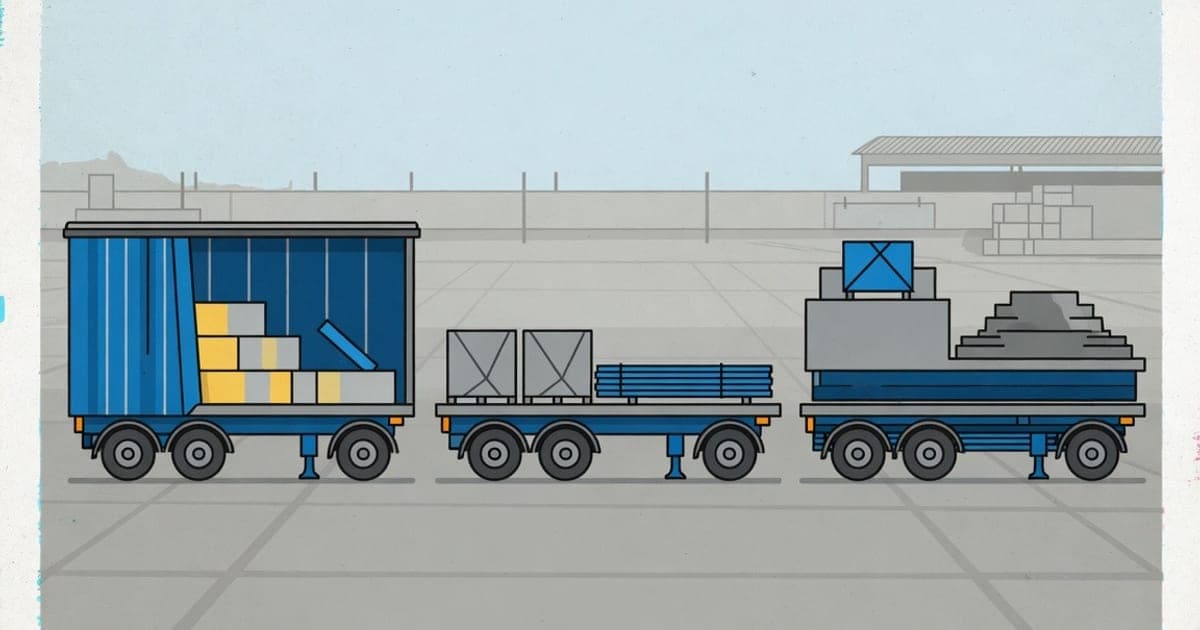
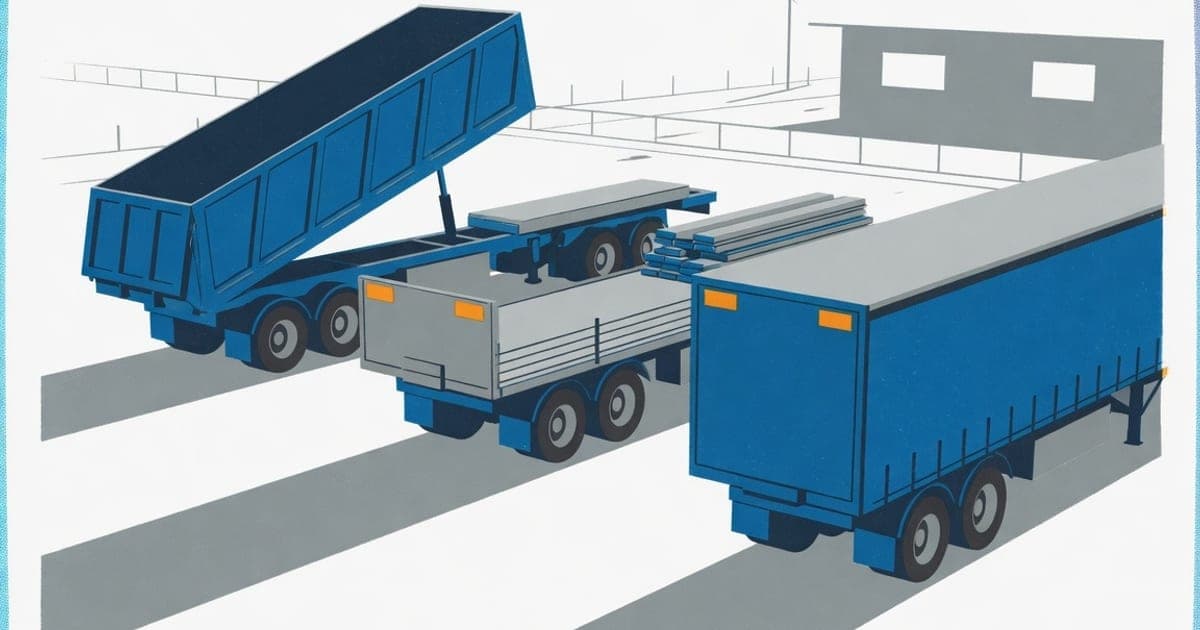
Every trailer type is a trade-off between loading speed, tare weight and what the deck can accept, and the right choice falls out of your actual freight rather than the trailer market. A tautliner loads fast from the side and protects the freight but carries the most structure; a flat top is the lightest and most versatile deck and leaves every restraint problem to you; a drop deck buys height for tall freight at the cost of tare and a stepped deck. Around those three sit the specialists: tippers, tankers, skels and low loaders that do one job properly. This guide compares them honestly, including the load restraint point that catches more operators than any other: curtains are not load restraint unless they are certified for it.
The trade-off every trailer type is making
Strip any trailer back and it is a deck, a chassis and a way of keeping freight on it. Everything a type adds to solve one problem, gates, curtains, roofs, ramps, steps, hoists, costs tare weight, purchase price and maintenance, and tare comes straight out of payload. So the selection question is not which trailer is best; it is which problems you genuinely have. Freight that hates weather, sites that load from the side, tall machinery, loose bulk: each answer points at a different type, and a fleet that buys the wrong versatility pays for it on every trip.
Tautliner and curtainsider: speed of loading versus tare
The tautliner is the workhorse of general freight because forklifts load it from both sides at pallet pace and the freight travels covered. The costs are tare (curtains, roof, gates and mezzanine structure make it the heaviest of the three general types), curtain maintenance, and height taken by the roof structure.
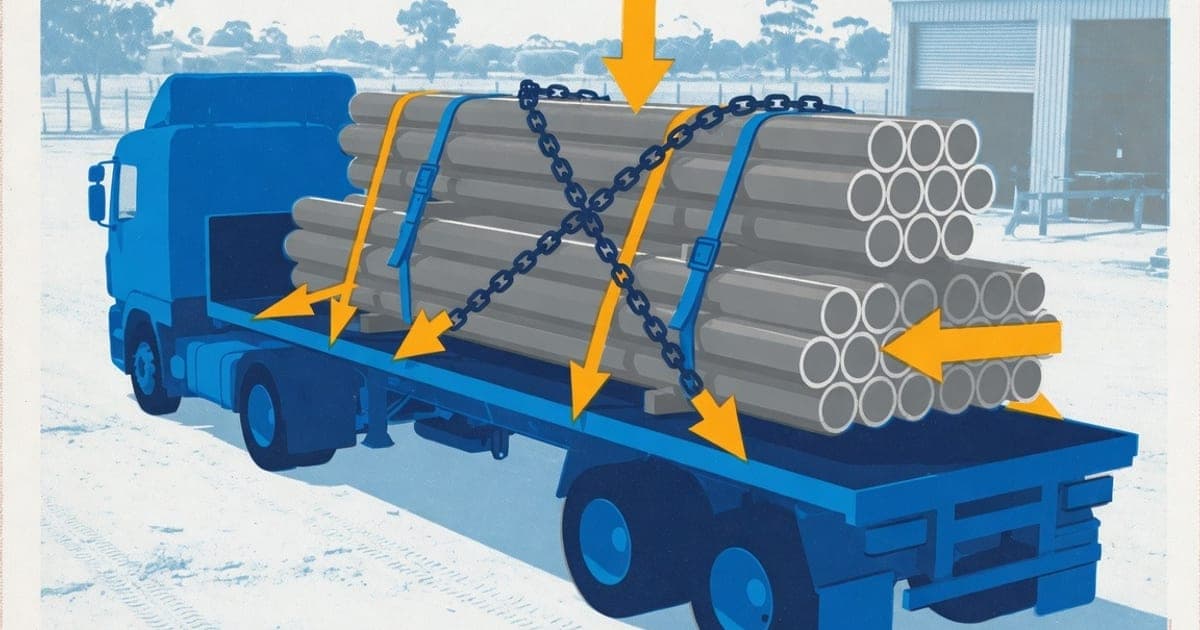
The point that matters legally: standard curtains keep weather off, they do not keep freight on. Under the Load Restraint Guide published by the NHVR, load restraint must come from rated systems, and a curtain only counts when it is a certified load-rated curtain used within its rating, with the freight still blocked and restrained to the performance standards. Operators run gates, straps and rated curtains in combination for exactly this reason. If your freight plan assumes the curtain is doing restraint work, read the load restraint basics before a roadside inspector explains it instead.
Flat top: the lightest option and what it costs you
The flat top is the lightest, cheapest and most honest trailer in the market: a deck, coaming rails and nothing else. That makes it the payload champion of general freight and the default for steel, timber, packaged building product and anything crane-loaded. What it costs you is time and skill: every load is restrained from scratch with chains, straps, dunnage and tarps, every wet load needs covering, and the driver's restraint knowledge is doing the work the tautliner's structure pretends to. Resale is the flat top's quiet strength; a straight deck with sound rails always finds a buyer, which is part of why used flat top asking prices hold so well at age.
Drop deck and extendable: height clearance and oversize work
A drop deck steps the deck down behind the gooseneck, buying vertical room for machinery, tanks and tall crates that a flat top cannot legally carry under the height ceiling. Heavy vehicle height limits are set under the NHVR's dimension rules, and the limit applies to the vehicle and load together, so the drop deck's lower rear deck is often the difference between a legal load and an over-height one; the current limits and how they work are covered in the dimension limits guide, with the NHVR as the source rather than a number quoted here. Extendable drop decks stretch for long loads and put you into oversize territory, where access permits from the NHVR or the relevant authority apply; the permit system has its own rules and conditions, so treat oversize as its own discipline, not a footnote.
The costs of the step: more tare than a flat top, ramps to maintain if fitted, and a two-level deck that suits machinery beautifully and palletised freight less so.
Tippers, tankers, skels and low loaders in brief
- Tipper semis move bulk product and earn on cycle time; body wear and hoist condition decide their value, covered in the tipper trailer buying guide.
- Skels carry containers and nothing else, cheaply and lightly; twist locks and pin wear are the inspection items.
- Tankers are compliance-heavy specialists; what the tank last carried and its test history matter more than the trailer under it.
- Low loaders and float trailers move machinery that will not climb a drop deck; ramps, deck ratings and width gear are the value.
A specialist trailer bought for a general job is dead money; a general trailer forced into a specialist job is worse.
Tare weight and payload: comparing types honestly
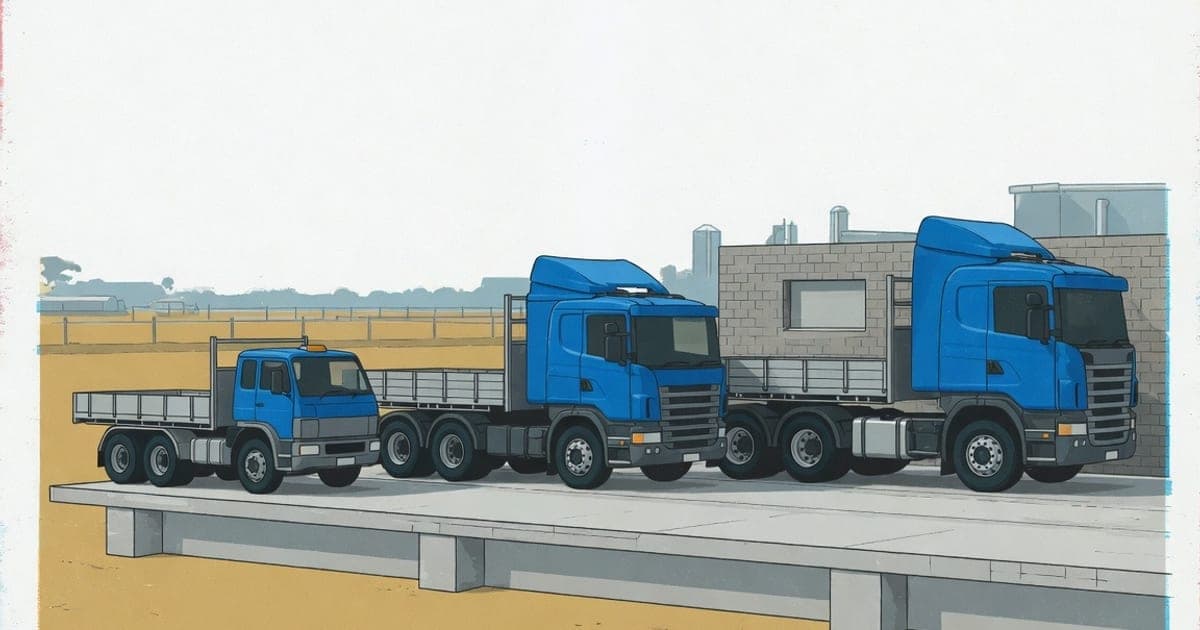
Typical tare ranges for tri-axle examples, given as orientation only because build specification, materials and extras move every one of them substantially: flat tops commonly advertise tares in the 7 to 9 tonne region, drop decks a little above that, and tautliners commonly a tonne or more above a comparable flat top once curtains, roof and gates are aboard. The differences sound small and are not: a tonne of tare is a tonne of payload, every trip, for the life of the trailer. When comparing two specific trailers, use their weighbridge tickets, not brochure figures, and remember the ceiling is set by the mass limits over the axle groups as well as the ratings on the plate.
| Type | Loads it suits | Loading style | Tare position | Restraint burden |
|---|---|---|---|---|
| Tautliner | Palletised general freight | Side, forklift | Heaviest of the three | Gates, straps, rated curtains only if certified |
| Flat top | Steel, timber, packaged, crane loads | Side, top, crane | Lightest | Entirely on you: chains, straps, dunnage |
| Drop deck | Machinery, tall freight | Rear ramps, crane | Between the two | As flat top, plus height planning |
| Tipper | Loose bulk | Loader, hopper | Varies with body | Tailgate integrity, covers |
| Skel | Containers | Sideloader, crane | Light | Twist locks |
Load restraint by trailer type
The Load Restraint Guide, referenced by the NHVR, sets the performance standard every load must meet regardless of trailer type, and the type just changes how you get there. Flat top and drop deck loads live on chains, straps, blocking and friction, sized to the performance standards. Tautliners rely on gates, internal restraint and certified curtain systems where fitted. Tippers rely on body integrity and covering. The recurring roadside failures are the same everywhere: too few lashings for the mass, unrated equipment, and freight restrained against the wrong direction of movement. Chain of Responsibility law puts those failures on more desks than the driver's, so build restraint into the trailer choice, not just the trip.
Which type holds resale value
From asking prices across trucksales.com.au and machines4u.com.au in early August 2026, the pattern is consistent: flat tops and drop decks hold value longest because structure is their whole story and structure is inspectable; tautliners depreciate with their curtains, roofs and gates as much as their chassis; specialist trailers hold value only into their own niche, which can mean very well or very badly. Buy the general types on structure and the specialists on documented compliance, and you will be selling the same story in five years.
Matching the trailer to the work
List your freight honestly for a month, including the worst loads, then let the table above pick the type. Browse the current trailers listed for sale with that list beside you, and compare tare weights between candidates as hard as you compare prices. If the exercise tells you the trailer in your yard is the wrong type, list it free with its tare, suspension type and deck condition stated plainly; trailer buyers are the most specification-driven audience on this site, and the listing that states the numbers wins the call.
Load restraint obligations per the Load Restraint Guide and the NHVR. Dimension and mass limits are the NHVR's; the rules changed on 1 August 2026, so confirm current figures at nhvr.gov.au before planning loads. Tare ranges are orientation from advertised specifications in August 2026 and vary with build.