What Does a Used Tipper Truck Cost in Australia? Prices by Size, Age and Body Type
6 min read
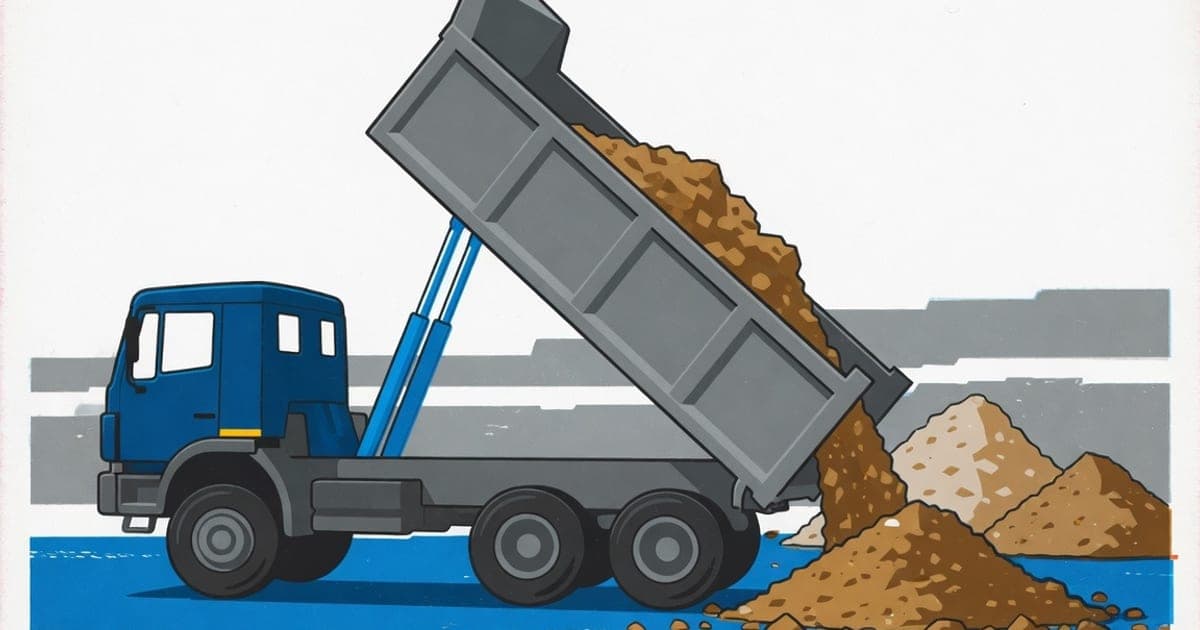
Used tipper trucks in Australia advertise from under $20,000 for a tired light tipper to more than $300,000 for a late-model 6x4 with a fresh body, and the spread inside each size class is nearly as wide as the spread between classes. Based on asking prices visible on trucksales.com.au, machines4u.com.au and Gumtree in early August 2026, older light tippers commonly ask between the mid teens and about $60,000, the 8 to 16 tonne GVM middle of the market mostly sits between $30,000 and $120,000 depending on age, and clean late-model heavy rigid tippers regularly advertise between $150,000 and $300,000. Nearly all of it is quoted plus GST, and the difference between a good buy and a bad one is usually the body, the hoist and the tare weight rather than the badge.
What you are actually buying: cab chassis plus body
A tipper is two assets bolted together: a cab chassis that wears with kilometres and hours, and a body and hoist that wear with tonnes and abuse. They age at different rates. A low-kilometre truck can carry a body that has been loaded with a five-tonne excavator bucket every day of its life, and a high-kilometre truck can carry a body that only ever saw green waste. Price them separately in your head, because the market prices them together and gets it wrong in both directions.
Price bands by GVM class
These bands describe asking prices observed on trucksales.com.au, machines4u.com.au and Gumtree in early August 2026. Treat them as a map rather than a valuation, and assume plus GST unless the listing says otherwise.
| Class | Typical configuration | Typical asking range (plus GST) | Notes |
|---|---|---|---|
| Light, up to about 8t GVM | Japanese cab chassis, factory or body-builder tipper | Roughly $15,000 to $60,000 | Includes the car licence 4.5t GVM units, which carry a premium for the licence convenience |
| Medium, 8 to 16t GVM | Two-axle Isuzu, Hino, Fuso | Roughly $30,000 to $120,000 | The working middle; age and body condition decide everything |
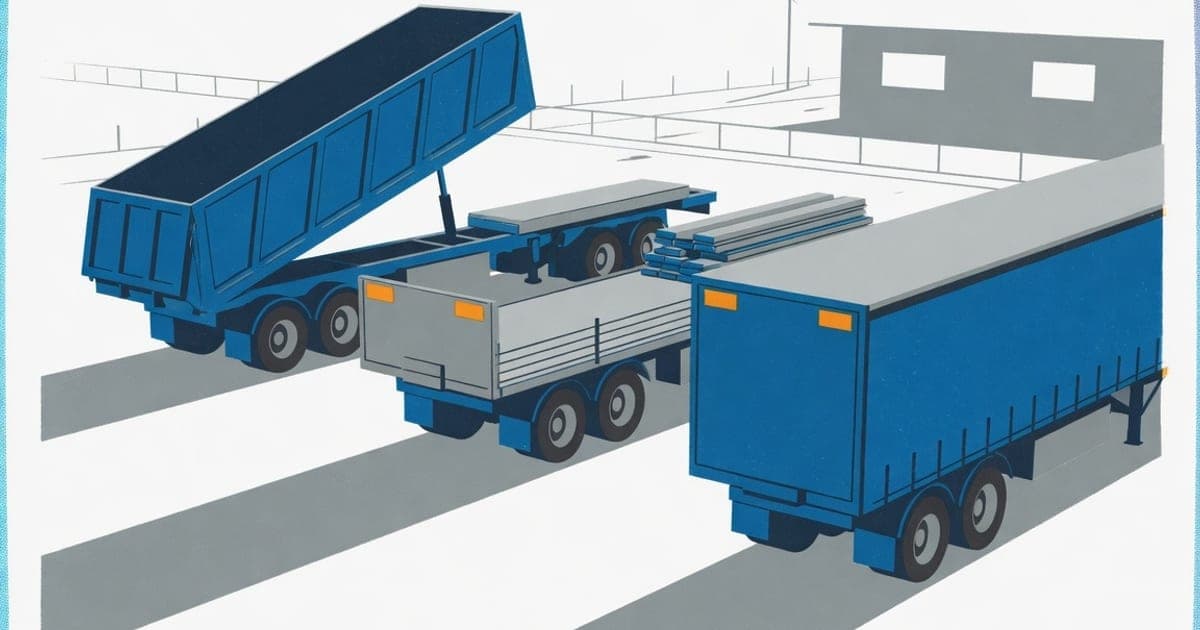
| Heavy rigid, three or four axles | 6x4 and 8x4, steel or alloy body | Older units roughly $50,000 to $130,000; late model $150,000 to $300,000 plus | Hydraulics, diff locks and body spec move the top end |
Which licence each class needs depends on GVM and axle count, and the boundaries matter more on tippers than most trucks because so many sit near a licence line. The classes are covered properly in truck licence classes in Australia, so check there before you shortlist a size.
Japanese, European or American in the tipper market
The light and medium classes are dominated by Isuzu, Hino and Fuso, and the used market reflects their new-truck market share: deep stock, easy parts, and asking prices that hold up. The heavy end splits between Japanese 6x4s, European cab-overs and American conventionals, with the Europeans strong in metro tipper and dog work and the American badges strong where the job is heavy and the resale culture values them. None of that is a reliability finding; it is where the stock and the money sit in the listings. If you are weighing the three Japanese brands against each other, the Isuzu, Hino and Fuso comparison covers the differences that show up in service.
What the body and hoist add, and what a tired one costs you
A straight, recently blasted and painted steel body with a sound floor, working two-way tailgate and dry hoist adds real money to a listing, and it should. Replacing or re-flooring a body is a body-builder job, quoted case by case on size and steel, and it is routinely a five-figure quote by the time the truck is back on the road; get a written quote from a body builder before you use a tired body as a bargaining chip, rather than guessing.
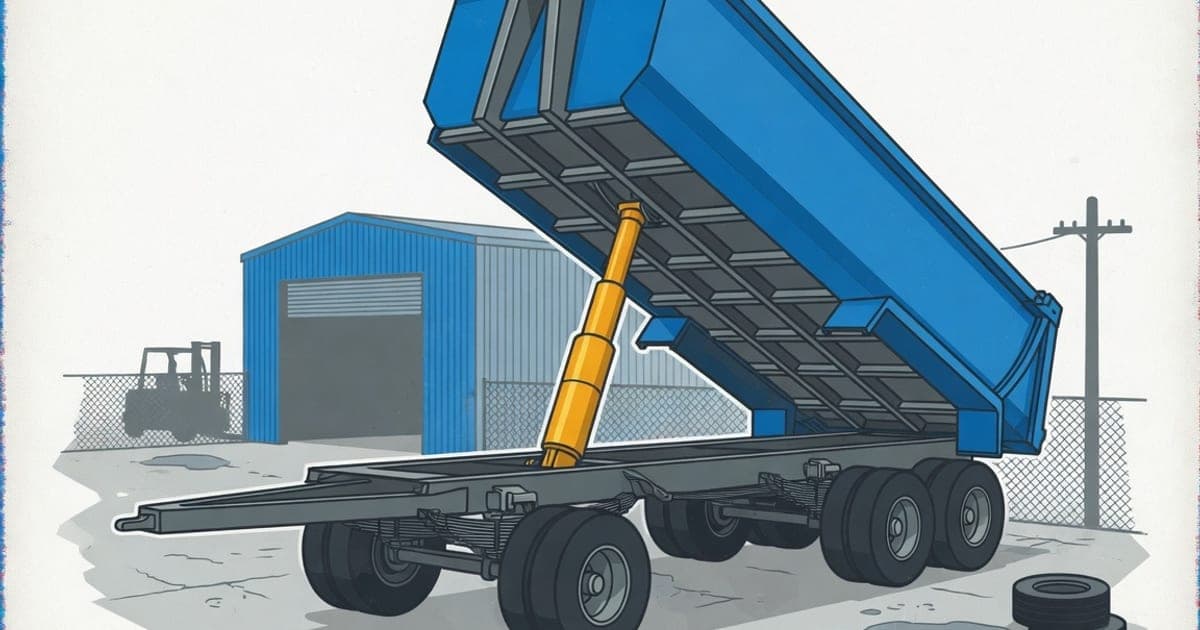
On inspection day: look for a floor gone thin and wavy from years of loader buckets, cracked hinge points and door pillars, a tailgate that no longer seals on fines, bent top rails from over-height loading, and a hoist that creeps down, weeps at the seals or shudders on the way up. Run the body full travel, engine at operating revs, and watch how it comes down. A hoist reseal is routine maintenance; a bent ram or cracked mounting is a negotiation in the thousands.
Tare weight: why a heavier truck carries less and is worth less
Payload is GVM minus tare, and on a tipper the tare is where good money quietly disappears. A heavy steel body, a crane, a tow hitch, water tank and toolboxes all subtract from what you can legally carry, which is why two trucks with the same GVM can differ by more than a tonne of daily earning capacity. Weigh the truck empty on a weighbridge rather than trusting the listing.
The legal ceiling is not just the GVM on the plate. What you can put over each axle group is capped by the mass limits administered by the NHVR under the Heavy Vehicle (Mass, Dimension and Loading) National Regulation, and the lower of the two numbers governs, so a tipper can be under GVM and still overloaded on the drive group. Those rules changed on 1 August 2026, so work from the current tables rather than an old placard: the general mass limits explained in plain English walks through how the axle group limits combine, with the NHVR source linked.
Ex-council and ex-hire tippers: the bargain and the catch
Ex-council and ex-fleet tippers are a genuine hunting ground: bought new, serviced on schedule, and often sold with full books at auction or by tender. The catch is duty cycle. Council trucks idle, PTO and crawl for thousands of hours that barely register on the odometer, so a 150,000 km ex-council tipper can carry the engine wear of a much older truck. Ask for hours as well as kilometres, and read both together the way the kilometres versus hours guide lays out. Ex-hire units cut the other way: maintained on schedule but driven by everyone; look hard at clutch, body and tailgate wear.
Running costs a tipper buyer underestimates
Tip work is hard on consumables. Budget honestly for drive tyres, brake wear from constant loaded stopping, hoist seals and hydraulic oil, body wear plates, and the electrical gremlins that come from dust and vibration. Registration scales with GVM and configuration, and it is a real annual number on a heavy rigid, so put it in the sum before you buy rather than after; the way charges are set is covered in what truck registration costs in Australia. None of these items is a surprise individually, but together they are the difference between a truck that earns and a truck that absorbs.
Where to look and what to list
Set your band from live listings in the week you are buying, then let body, hoist and tare condition pick the truck inside it. Browse the current tippers and trucks listed for sale and compare asking prices against the bands above with your own eyes. If you are the one upgrading, list your tipper free with the tare weight, engine hours, body history and hoist condition stated plainly, and photograph the floor from inside the body, because that is the photo every serious tipper buyer is looking for.
Price observations describe asking prices on trucksales.com.au, machines4u.com.au and Gumtree in early August 2026, typically quoted plus GST. Mass limit commentary is sourced to the NHVR; the mass and dimension rules changed on 1 August 2026, so confirm current limits at nhvr.gov.au before relying on them.