Buying a Used Tipper Trailer in Australia: What to Check and What to Pay
6 min read
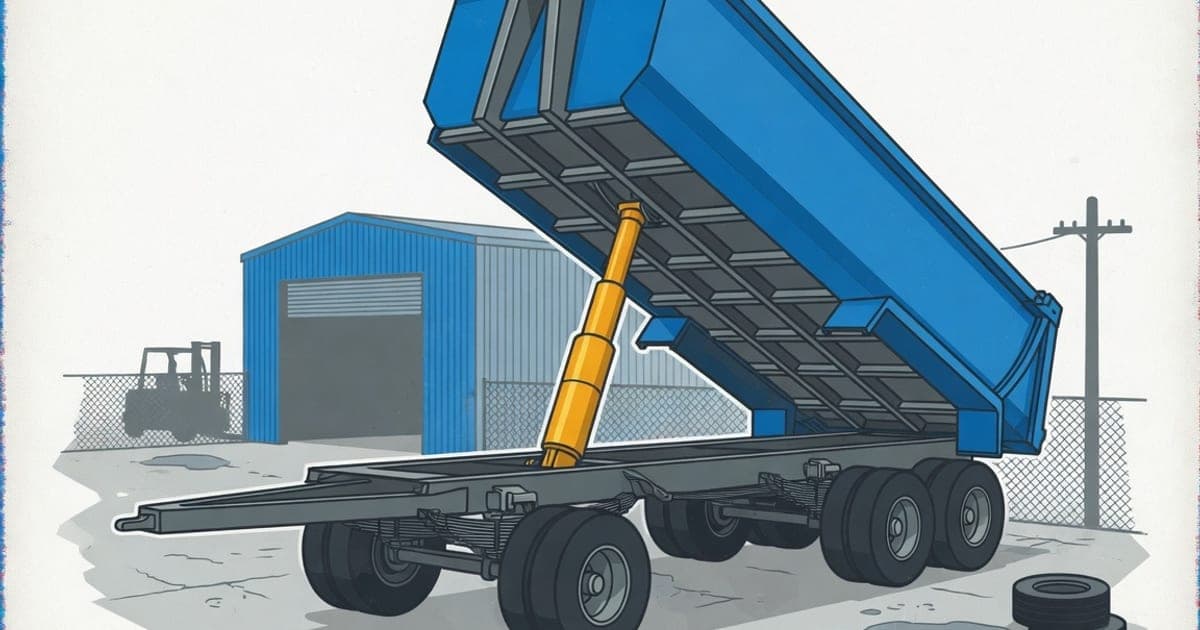
A used tipper trailer is bought three times: once for the chassis and running gear, once for the body and hoist, and once for the tare weight that decides what it earns. Asking prices on trucksales.com.au, machines4u.com.au and Gumtree in early August 2026 mostly run from around $40,000 for honest older end tippers to $140,000 and beyond for late-model units and side tippers, typically plus GST, and the spread inside any age bracket comes down to body wear, hoist condition and structure. This guide works through the inspection in the order the money moves: body material, hoist, chassis, running gear, tailgate, then the tare and payload sum, with the tipping stability issue that the safety regulators keep writing about included where it belongs.
Tipper trailer types and where each is used
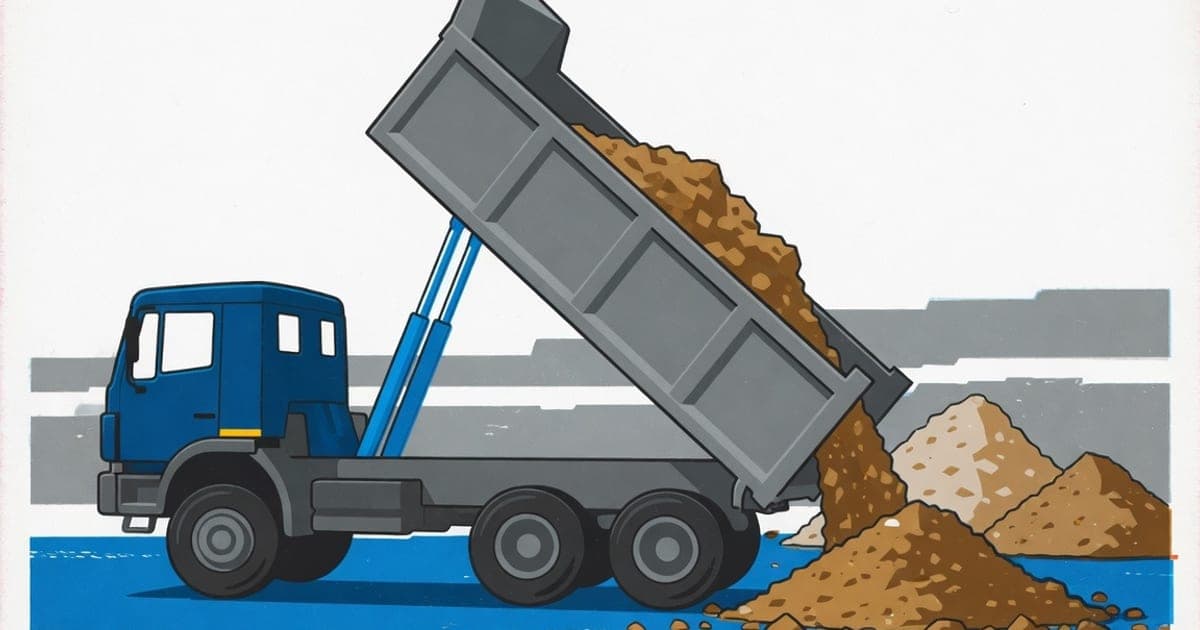
End tippers (semi tippers that lift the whole body at the front) dominate general bulk work: sand, soil, aggregate, grain. Side tippers rule road train and mine-adjacent work because they tip clear of the trailer line and unload in sets. Behind rigid trucks, dog trailers do the metro double work, and B-double tipper sets scale the same idea up. The buying logic below applies across all of them; the configuration question is really a question about where you tip and what your customers run, so copy the successful fleets in your own lane rather than importing another region's habits.
Body material: steel versus aluminium and what it does to payload
Steel bodies take impact, abrasion and careless loader drivers, and they weigh more. Aluminium bodies cut tare substantially, which is payload gained on every load, and they pay for it by bruising and cracking under treatment a steel floor would shrug off, especially with rock and demolition product. The honest rule: aluminium earns its premium in weight-sensitive, softer products; steel survives hard products and hard sites. On any aluminium body, inspect the floor and sides for cracking around welds and wear plating; on any steel body, look for thinning, wavy floors and rust from product left sitting. A body swap is a body-builder quote on your specific trailer, so get one in writing before you let a tired body pass as a discount line.
The hoist: inspection, rebuild and failure modes
The hoist is the heart of the purchase. Run the body to full lift at working revs and watch and listen the whole way up and down:
- Creep: a raised body that drifts down means valves or seals.
- Rod condition: scoring, pitting or rust on the chrome sections will destroy seals; sight every stage.
- Leaks: weeping at the glands and fittings is negotiation; hydraulic mist over everything is a warning.
- Mounts: cracked or repaired hoist mounts and trunnions are structural money, not maintenance.
- Shudder: juddering on the way up points at air in the oil, worn stages or starved supply.
A straightforward reseal is normal maintenance on a working trailer; bent stages, damaged chrome or cracked mounts are a different class of cost. Price the distinction with a hydraulics shop quote rather than a guess, and treat a seller who will not raise the body as a seller who has answered your question.
Chassis, cross members and stress cracking
Tipping concentrates stress in places flat freight never finds: the rear hinge area, the hoist mounts, the cross members under the body pivot line and the chassis rails around the suspension hangers. Get under the trailer with a torch and look for cracking, fishplates and fresh paint over old repairs, and treat undocumented welding through the hinge and hoist areas as a walk-away. While you are there, confirm the compliance or identification plate and VIN stamping are present and match the papers, because a trailer without provable identity is a registration problem in every state, and run a PPSR search on the VIN at ppsr.gov.au for a couple of dollars, since an encumbered trailer can be repossessed even after you have paid in full.
Suspension, axles and brakes
The running gear checklist is the standard trailer one with tipping wear added: bushes and hangers (worked hard by uneven tipping sites), airbags and height control or spring packs and rockers, shock absorbers, brake linings, drums or rotors, and wheel bearings. Suspension choice also carries a commercial angle on tippers: certified road-friendly suspension is the gateway to Higher Mass Limits access under the NHVR's rules, and on bulk work extra legal tonnes are the whole game, so a trailer with current certification is worth real money over an identical one without; the spring against air question is compared properly in the trailer suspension guide. Confirm certificates rather than accepting the word airbag as proof.
Tailgate, hinges, seals and doors
The tailgate is where tipper trailers leak money and product. Check hinge pins and bushes for slop, the gate for straightness (a bowed gate never seals fines again), rubber seals for condition, and the latch and release gear for wear, including the safety of any air-operated release. Two-way and grain-door gates double the checking. A trailer that dribbles blue metal down the highway is a compliance problem as well as a product loss, and gate repairs are welder-and-machinist money, so put every gate fault on the negotiation list.
Tare weight and legal payload
Payload is the trailer's rating minus its tare, and the legal ceiling on the road is set by the axle group mass limits as well as the ratings on the plates. Under the NHVR's general limits in force since 1 August 2026, a tri-axle group may carry up to 21.0 tonnes, and how the groups combine across a whole combination is covered in the general mass limits explained, with the NHVR as the source. The practical buying rule: weigh the empty trailer on a weighbridge, do the sum against the limits that apply to your combination, and treat every claimed payload in a listing as marketing until the weighbridge agrees.
Tipping stability: the safety item, not a footnote
Tipper rollovers during unloading are a documented, recurring incident type, and the state work health and safety regulators (SafeWork NSW among them) publish specific guidance on tipping stability: firm level ground, straight truck and trailer alignment, product that releases cleanly, and never raising a body under overhead powerlines. On inspection day this matters twice: a trailer with bent top rails or a twisted body may have already been down, and a body that hangs product on one side is a stability problem you are buying. Ask directly whether the trailer has ever been rolled or dropped, and read the structure for the answer. The marketplace safety page covers the buying-process side of protecting yourself.
Price ranges and negotiation points
Within the August 2026 asking bands above, the negotiation list is concrete: hoist reseal or repairs, body wear or cracking, gate and seal condition, tyres and brake linings, suspension bushes and airbags, missing certification for road-friendly suspension, and any structural repairs without paperwork. Each is either evidence of care or a number in your offer. Compare candidates against the wider trailer market in the used semi trailer price guide, then browse the current tipper trailers listed for sale to set your band from live stock. Selling one? List it free with the tare, hoist history and body photos from inside the tub, because those are the three things every serious tipper buyer asks for first.
Price observations describe asking prices on trucksales.com.au, machines4u.com.au and Gumtree in early August 2026, typically quoted plus GST. Mass limits per the NHVR under the Heavy Vehicle (Mass, Dimension and Loading) National Regulation; the rules changed on 1 August 2026, confirm current figures at nhvr.gov.au. Tipping safety guidance per the state WHS regulators.