How to Write a Truck or Machinery Listing That Actually Sells
6 min read
A heavy vehicle listing sells when it answers a buyer's filtering questions before they ask. Serious buyers shortlist on specification, verify on photos, then travel to inspect, and every gap in your listing costs you a slice of them: a missing GVM loses the buyer with a licence limit, a missing hitch type loses the buyer with a rack of attachments, and no photo of the compliance plate loses the careful buyer you actually want. This guide covers the specification list by category, the twelve photos that answer the real questions, and the wording that filters out time wasters instead of attracting them.
What a buyer is deciding in the first ten seconds
A buyer scrolling results is not reading. They are matching your listing against a mental filter: right type, right size, right money, right distance, and does this seller look organised. The title and the first photo do that job. Put the year, make, model and the one defining specification in the title. "2016 Isuzu FVZ 1400 tipper, 260,000 km" beats "GREAT TRUCK MUST SELL" in every measurable way, because the first is a filter match and the second is noise.
The first photo should be a clean three-quarter front shot in daylight, whole vehicle in frame, no other machines behind it. Buyers read a cluttered photo as a cluttered operation.
The specification list buyers filter on
Missing specifications do not read as neutral. They read as either laziness or concealment, and the buyer moves on rather than asking. The table below is the minimum by category; if you know more, list more.
| Category | Must-list specifications |
|---|---|
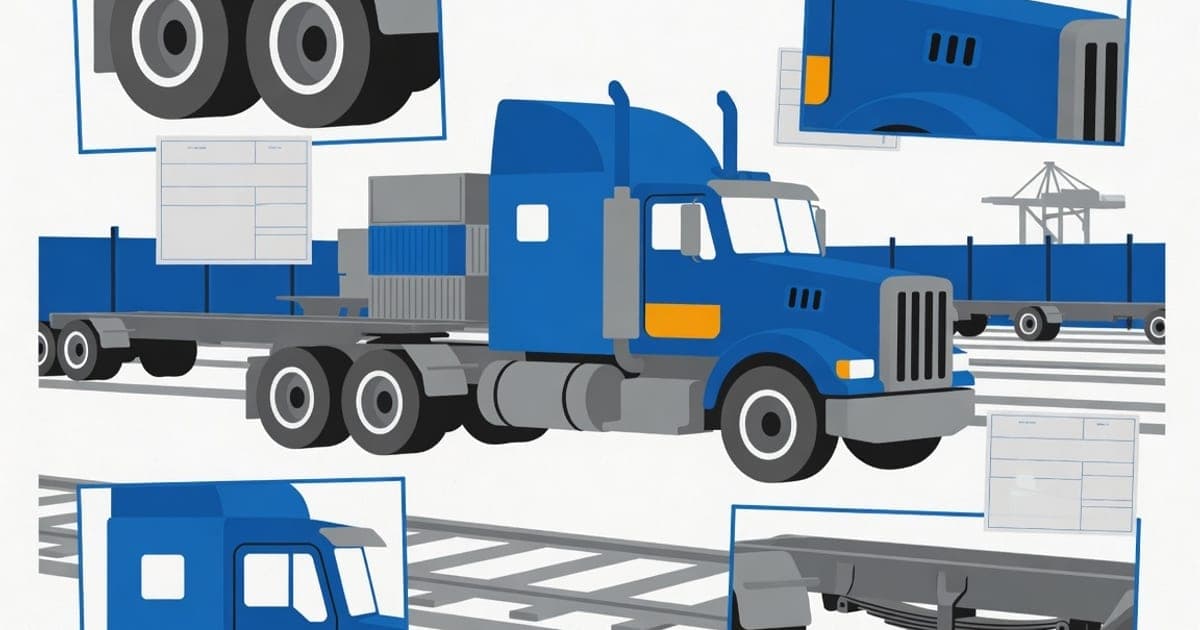
| Trucks | GVM and GCM, engine make and model, transmission type and model, diff ratio if known, kilometres and engine hours, rego expiry and state, body type and dimensions |
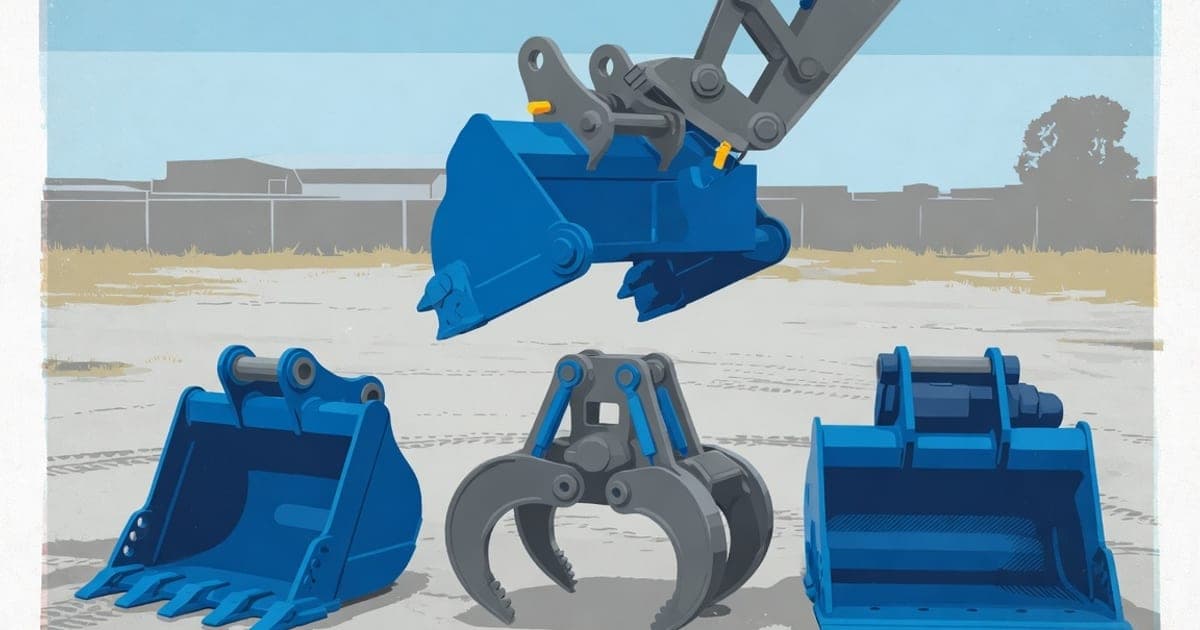
| Machinery | Make, model, year, hours, undercarriage or tyre percentage, hitch type, bucket and attachment inventory, any recorded rebuilds |
| Trailers | Type, overall length, axle count and spread, suspension type, ABS or EBS status, tare and ATM or GTM, plate and rego details |
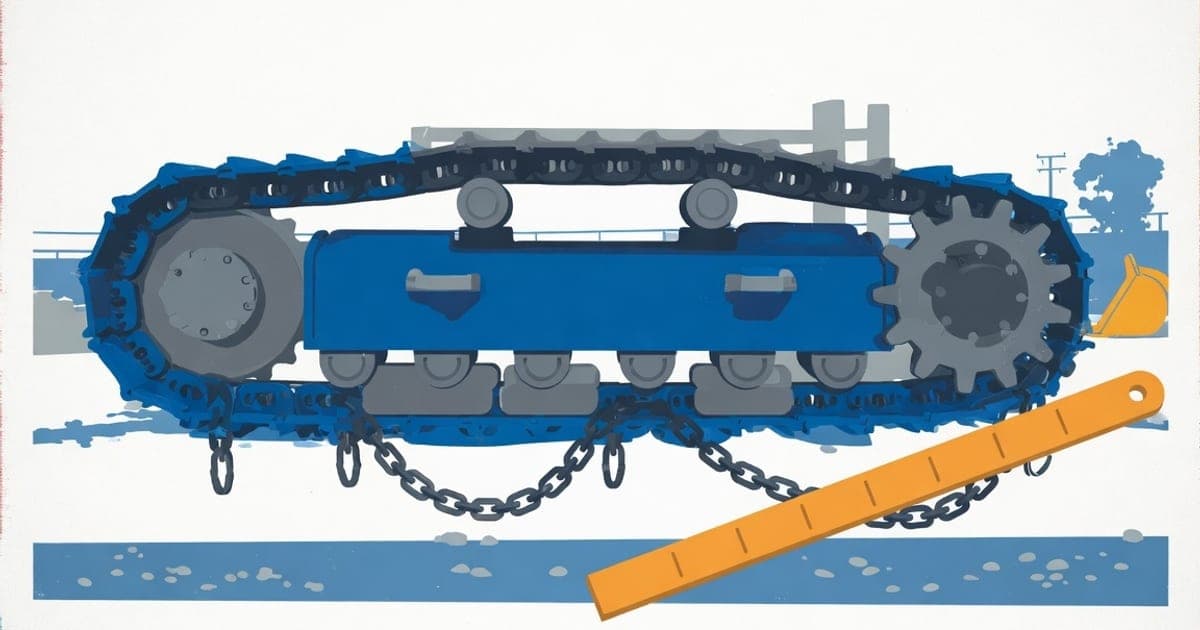
Two of these deserve a note. Diff ratio matters to truck buyers because it decides what the truck is geared to do, and a buyer matching a truck to a job will filter on it; if you do not know it, say so and offer the plate photo. Undercarriage percentage matters to machinery buyers because it can be a five-figure cost on a tracked machine; an honest percentage with photos behind it moves a machine faster than silence.
State the price ex GST or inc GST, every time. Business buyers assume ex, private buyers assume inc, and the ambiguity kills deals late, which is the expensive time to kill one.
The twelve photos that answer the real questions
Take them in daylight, after a wash, on the largest clear area you have. Phones are fine. Filters are not.
- Three-quarter front, whole vehicle.
- Three-quarter rear.
- Both full sides, square on.
- Engine bay or engine access panels, as found, not detailed to hide leaks.
- The compliance plate, data plate or serial plate, legible.
- Odometer and hubometer, or the hour meter on a machine.
- Interior: seat, floor, dash with ignition on so warning lights are visible.
- Tyres or tracks: tread close-up on every position, undercarriage components on a tracked machine.
- Underneath: chassis rails, spring hangers or suspension, any known leak areas.
- The work end: tipper body floor, tailgate, hitch, boom and bucket pins, tailgate seals.
- Every defect you know about, close up.
- The paperwork spread: service records, rego papers, manuals.
The compliance or serial plate photo is the one sellers skip and serious buyers ask for first. It confirms the machine is what the listing says it is, it lets a buyer run a PPSR search before travelling, and it quietly demonstrates the item is not stolen, which matters in a market where stolen plant is a real trade. Blur nothing. A plate you will not show is a reason to walk.
Writing the description: specifics beat adjectives
Lead with what it is and what it has done: configuration, engine, gearbox, kilometres and hours, the work it has been doing, and the major items with dates. "Clutch replaced March 2025, invoices held" is worth a paragraph of adjectives. "Well maintained" written by the person selling it carries no information at all; the invoice folder carries all of it.
Then say what it needs. Then say the terms: price and GST treatment, whether rego is included, what attachments are in the deal, and how inspection works.
Cut every sentence that could appear in any listing for any vehicle. "Would suit owner operator" and "first to see will buy" have never once filtered a buyer in or out.
Disclose the faults, and why that is faster
Disclosing a known fault feels like handing the buyer a discount. What it actually does is delete the buyers who would have walked at inspection anyway, before they cost you a Saturday morning. The buyer who arrives knowing about the weeping ram seal has already priced it and is there to buy; the buyer who discovers it on your driveway re-opens the whole negotiation with the upper hand, because now they are wondering what else you did not mention.
There is a legal edge to this as well. If you are selling in trade or commerce, as a business disposing of its gear or a dealer, the Australian Consumer Law applies to your conduct, including the prohibition on misleading or deceptive conduct, and consumer guarantees can attach to the sale. A genuinely private seller is in a different position, with fewer obligations, but misdescribing a vehicle still exposes you to a dispute you will not enjoy. The ACCC (accc.gov.au) sets out which obligations attach to sales in trade or commerce. Do not overstate your immunity as a private seller, and do not let a buyer talk you into believing a business sale of old plant carries new-car warranties either. Describe accurately and the question rarely arises.
Pricing: negotiate or firm, but decide
Price against live comparables, not hope; the method is in our truck selling guide. Then decide in advance whether the number is firm or a starting point, and write which. "Priced to sell, no offers before inspection" is a legitimate stance that filters lowballers. So is building in a negotiation margin. What fails is not deciding: sellers who have not chosen get moved by whoever pushes first.
If the listing is priced right and complete, most enquiry pressure disappears on its own. Listings that attract fifty messages and no buyers are almost always underspecified, overpriced, or both.
Enquiries, deposits and holding
Answer specification questions with specifications, and inspection requests with times. Anyone who opens with a story rather than a question about the machine belongs in our scams guide; read it before you list, because the overpayment and freight-agent patterns target heavy gear specifically.
Hold the item only against a deposit, and say what the deposit does: takes the listing down for an agreed number of days, refundable if the machine fails inspection against the listed description, forfeit if the buyer simply evaporates. Put it in a two-line message both parties can see. A promise to come back Tuesday is not a deposit.
Relisting and refreshing
If a listing has run four weeks without a genuine inspection, something is wrong with price, photos or specification, in roughly that order of likelihood. Fix the weakest one before relisting, and change the lead photo when you do; returning buyers skip listings they have already dismissed, and a new lead image gets you re-read. Dropping the price in small public steps trains watchers to wait. One honest correction beats four nibbles.
Where this pays off
Everything above applies on any platform, including auction catalogue submissions, and it applies here. List your truck or machine free with the full specification set, the twelve photos and the plate shot, and it sits in front of people browsing heavy vehicle listings by exactly the filters you have now filled in. The listing you write once, properly, is the one you do not have to defend at inspection.