How to Sell a Truck in Australia: Pricing, Paperwork and Getting Paid
7 min read
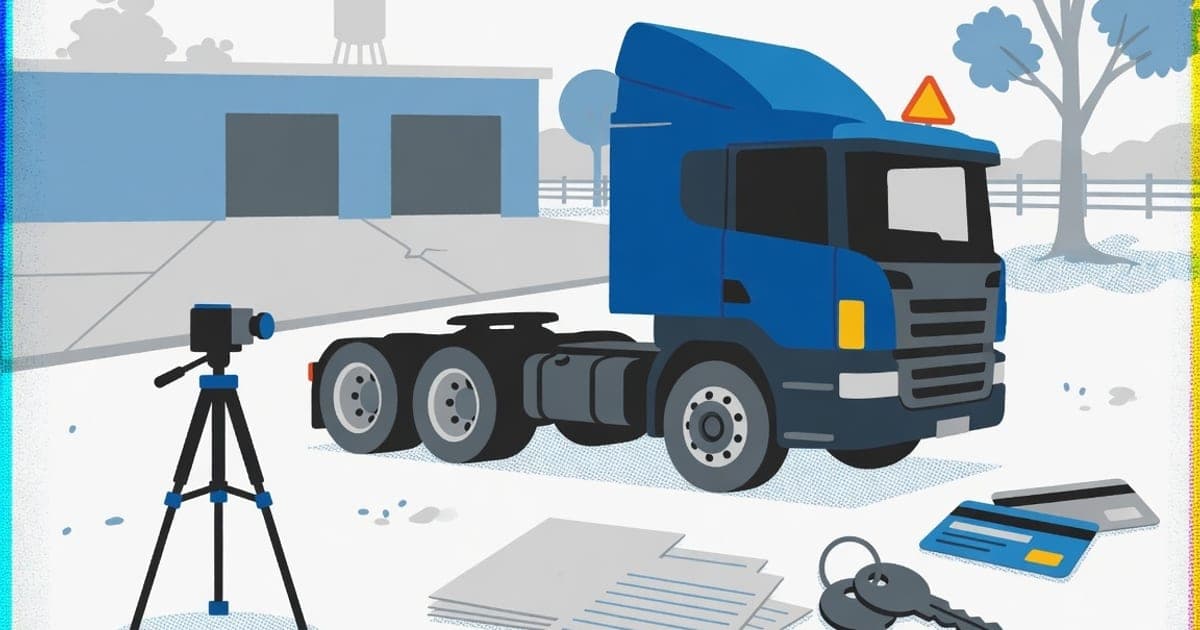
Selling a truck privately in Australia comes down to five jobs done in the right order: price it off what comparable trucks are actually selling for, prepare and photograph it so buyers can answer their own questions, filter enquiries hard, get paid in a way that cannot be reversed, and complete the transfer and PPSR discharge so the deal is genuinely finished. Do those five properly and a private sale usually returns more than a trade-in. Skip any one of them and you either lose weeks to time wasters or, worse, lose the truck and the money at the same time.
Private sale, dealer trade or auction
There are three ways out, and the honest trade-off is money against effort against speed.
A dealer trade is the fastest and pays the least. The dealer carries the risk of resale, the cost of reconditioning and the holding time, and their offer reflects all three. If the truck is going against a new purchase, a trade can still make sense once you factor in your own time, but get the trade figure and the changeover figure separately so you can see what the truck is really being valued at.
Auction is fast and final. You pay the auction house a seller's commission, the truck sells on the day to whoever turns up, and you have no control over the result. Commission rates and entry fees vary by house and by asset, so get the current fee schedule in writing before you consign. Auction suits deceased estates, fleet disposals and anything you need gone by a date.
Private sale takes the most effort and usually returns the most money, because you keep the margin the dealer or auctioneer would have taken. The rest of this guide is about doing it properly. For a comparison of the actual platforms, fees and audiences, see where to sell heavy machinery and trucks in Australia.
Pricing off real comparables
Price off asking prices for trucks like yours, then adjust for the fact that asking is not selling. Search the model, year range and configuration across the major portals and note what has been sitting for months at a number versus what disappears within weeks. A truck that has been listed for 120 days is not a comparable; it is a warning.
Adjust for the things buyers actually filter on: kilometres and hours, engine and gearbox, GVM and GCM, rego remaining, body or configuration, and service history you can produce on paper. A folder of invoices moves a truck; a verbal "always serviced" does not.
State your price ex GST or inc GST explicitly. Heavy vehicle listings routinely quote ex GST because most buyers are businesses claiming the credit, and a listing that does not say which reads as either amateur or evasive. If you are registered for GST and selling a business asset, the sale generally has GST consequences; confirm your position with your accountant or the ATO before you set the number.
Preparation that pays for itself
You are not restoring the truck. You are removing the cheap reasons a buyer uses to knock thousands off.
- Wash it properly, including the chassis rails and the back of the cab. Buyers read grime as neglect.
- Fix the small defects a roadworthy inspector would list: lights, reflectors, wiper blades, a cracked mirror, seatbelt stalks.
- Deal with obvious leaks. A weeping hub seal costs little to fix and hundreds in negotiation if a buyer finds it first.
- Print the service history and put it in date order. Include the last major items: clutch, brakes, injectors, tyres.
- Have the rego papers, and if finance is or was on the truck, know your payout figure before you list.
What you should not do is mask problems. Painting over rust, winding on a fresh set of cheap tyres to hide alignment wear, or clearing fault codes before an inspection are the moves that turn a sale into a dispute.
Photograph and describe it properly
Serious buyers make a shortlist from photos and specifications, then travel to inspect. Give them what they filter on: full walkaround shots in daylight, engine bay, interior, the compliance plate, the odometer and hubometer, tyre tread on every position, and honest close-ups of any damage. Then write a description that leads with the specification, not adjectives. The full method, including the twelve shots that answer a buyer's real questions, is in how to write a truck listing that actually sells.
Handling enquiries and time wasters
Expect three kinds of contact: genuine buyers, lowballers, and scammers. Genuine buyers ask specific questions about specification, history and inspection times. Lowballers open with a number. Scammers open with a story, often involving overpayment, a shipping agent, or paying sight unseen; the patterns are covered in our guide to heavy machinery and truck scams and on our safety page.
Two rules save most of the wasted hours. First, keep the conversation on the platform's messaging until you have a name and a phone number that answers. Second, answer questions with information, not commitments: you can hold a truck for a deposit, not for a promise.
Test drives, licences and insurance
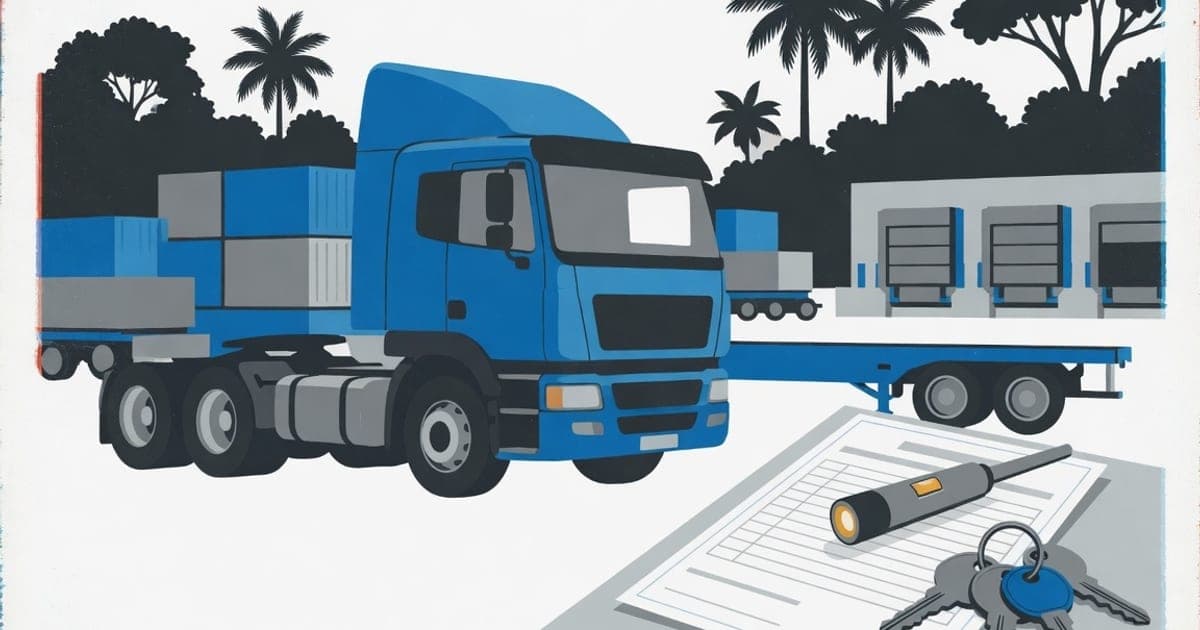
A buyer who wants to drive the truck must hold the correct licence class for it. Licence classes step up with GVM and configuration, and they are administered by each state and territory road authority; the detail is in our guide to truck licence classes in Australia. Sight the licence before the keys move, and photograph it.
Then think about insurance before the day, not during it. Whether your policy covers an unlicensed or unlisted driver, and what excess applies if a test driver bins it, is a question for your insurer, and the answer varies by policy. Ring them, ask specifically about test drives during sale, and note who you spoke to. Riding along on every drive is standard practice, not rudeness.
Getting paid safely
This is the step where sellers lose trucks. The principle: possession and cleared, irreversible funds change hands together, and nothing about that is negotiable.
- Real-time bank transfer (PayID or similar) confirmed in your own banking app, at the bank if the amount warrants it, is the practical standard. Do not release on a screenshot of a "transfer receipt".
- Bank cheques can be forged or reported stolen, and a bank can dishonour one. If a buyer insists on a bank cheque, meet at the issuing bank during business hours and have the branch verify it before you hand anything over.
- Never accept overpayment with a refund of the difference. That is a fraud pattern, not a clumsy buyer.
- Cash is fine at the right scale; count it at a bank and deposit it before the truck moves.
None of these safeguards is a guarantee, and anyone who tells you one is, is selling something. They stack the odds. Large-value sales sometimes settle through a conveyancer-style escrow or a dealer acting as agent; if you use one, verify the service independently, not through a link the buyer sends.
Paperwork: transfer, PPSR and plates
If there is finance on the truck, the lender's security interest is registered on the Personal Property Securities Register. It must be discharged at or before settlement, because any serious buyer will run a PPSR search for a couple of dollars at ppsr.gov.au before paying, and an undischarged interest means the financier can repossess the truck from the new owner even after they have paid you in full. Arrange the payout with your financier so the discharge happens as part of settlement, and give the buyer the payout letter if they ask. Buyers: our PPSR check guide covers the search itself.
Transfer of registration is state business. The forms, the notice-of-disposal process, whether an inspection is required at transfer, and the timeframe you have to lodge it all vary by state and territory, so check your own road authority (Transport for NSW, VicRoads, TMR in Queensland, and so on) before sale day. Lodge the seller's side of the transfer or the notice of disposal immediately; until you do, tolls, fines and in some circumstances liability can still find their way to you. Whether plates stay with the vehicle or come off also varies by state, so confirm that at the same time.
Write a simple receipt in duplicate: date, price, GST treatment, VIN, rego, odometer and hubometer readings, both parties' names and licence numbers, and the words "sold as is where is" if that is the deal. Both sign, each keeps one.
The sale, in order
| Step | What done looks like |
|---|---|
| Price | Ex or inc GST stated, based on live comparables |
| Prepare | Cheap defects fixed, history printed, payout figure known |
| List | Full spec, twelve honest photos, compliance plate shown |
| Filter | Named buyer, real phone number, licence sighted before any drive |
| Payment | Cleared irreversible funds confirmed before possession |
| PPSR | Security interest discharged at settlement |
| Transfer | Seller's notice lodged with the state authority same day |
| Receipt | Signed in duplicate, as-is noted |
Where to list it
List where heavy vehicle buyers actually search. You can list your truck free here, with the specification fields buyers filter on, and it sits in front of people browsing truck listings specifically, not scrolling past couches to find it. That is the honest pitch: no listing fee, an audience that came here for exactly this, and your listing stays up until the truck is sold.
Registration transfer, test drive licensing and GST treatment above are state and circumstance dependent. Checked against ppsr.gov.au guidance on 6 August 2026; confirm transfer requirements with your own state road authority before sale day.