What Can You Drive on a Car Licence in Australia? The 4.5 Tonne GVM Line Explained
6 min read
A standard car licence (class C) covers vehicles up to 4.5 tonnes GVM in Australia. That single number, printed on the compliance plate, is the whole test: it does not matter what the vehicle weighs today, how empty it is, or what it looks like. At 4.5 tonnes GVM or under, a car licence holder can drive it; over that, you need a light rigid licence or better. The framework is national in shape but administered by each state and territory road authority, so the fine print, especially around towing and licence conditions, comes from your own authority: Service NSW, VicRoads, TMR in Queensland, DIT in South Australia, DoT WA, State Growth in Tasmania, MVR in the NT or Access Canberra. This post explains how the line works, the traps either side of it, and when stepping up a licence class is the better move.
The short answer and the number that decides it
The licence question is decided by GVM, gross vehicle mass: the maximum the vehicle is rated to weigh fully loaded, as set by the manufacturer and recorded on the compliance plate and the registration. Up to and including 4,500 kg GVM, class C covers it under the national driver licensing framework; the detail as each state publishes it is on your road authority's site, for example Service NSW's licence class pages. Over 4,500 kg GVM, you are into truck licence classes, starting with light rigid. It is a ratings test, not a weight test, and that distinction is where almost everyone gets caught.
GVM, not tare and not payload: reading the plate
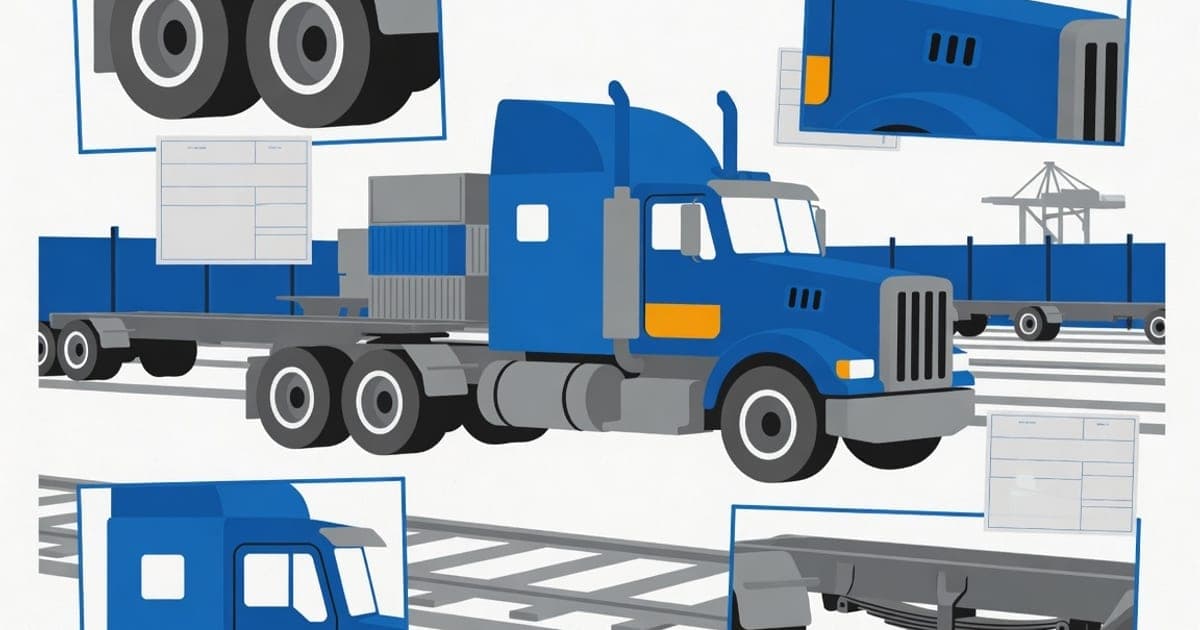
An empty 6 tonne GVM truck weighing 3 tonnes on the day still needs a truck licence, because the rating, not the load, decides the class. Walk to the compliance plate (door pillar, under the bonnet, or on the chassis rail) and read the GVM figure; that number against 4,500 kg is the entire licence question for the vehicle on its own.
The numbers around it matter for other reasons: tare (the empty weight) sets your payload, and GCM caps what you can tow in combination. What each number means and how they interact is worth two minutes:
| Plate number | What it means | What it decides |
|---|---|---|
| GVM | Maximum loaded mass of the vehicle | Licence class, registration category |
| Tare | Empty weight | Payload, which is GVM minus tare |
| GCM | Maximum of vehicle plus trailer combined | What you can legally tow loaded |
| ATM (on a trailer) | Maximum loaded trailer mass | Trailer registration and towing sums |
Towing: how a trailer changes the answer
Towing is where the clean 4.5 tonne rule gets complicated, because two rulebooks apply at once: the vehicle's manufacturer tow ratings and GCM, and the licensing rules about what a class C holder may tow. Those licensing rules, including how combination mass is treated, are set by each state and territory, and they are precisely the kind of detail that varies, so this post will not quote a single national figure: check the combination rules with your own road authority before you hook up a heavy trailer behind a car licence vehicle. The safe general statement is that a big trailer behind a 4.5 tonne GVM vehicle can put the combination into territory your licence, your ratings or both do not cover, and the compliance plate sums are where the answer starts.
The trap: GVM upgrades, downgrades and modified vehicles
GVM is not always the number the vehicle was born with. Engineering firms re-rate vehicles both directions: upgrades for carrying capacity, downgrades to bring a vehicle under a licence or registration threshold. Both change the game. An upgrade over 4,500 kg means a car licence no longer covers the vehicle and its registration category can change with it; a downgrade only counts when it is formally approved and recorded, not when a seller asserts it. If a listing claims a re-rate in either direction, ask for the engineering certificate and confirm with the road authority that the recorded GVM matches the claim before you rely on it, for licensing, registration or insurance.
Vehicles that sit right on the line
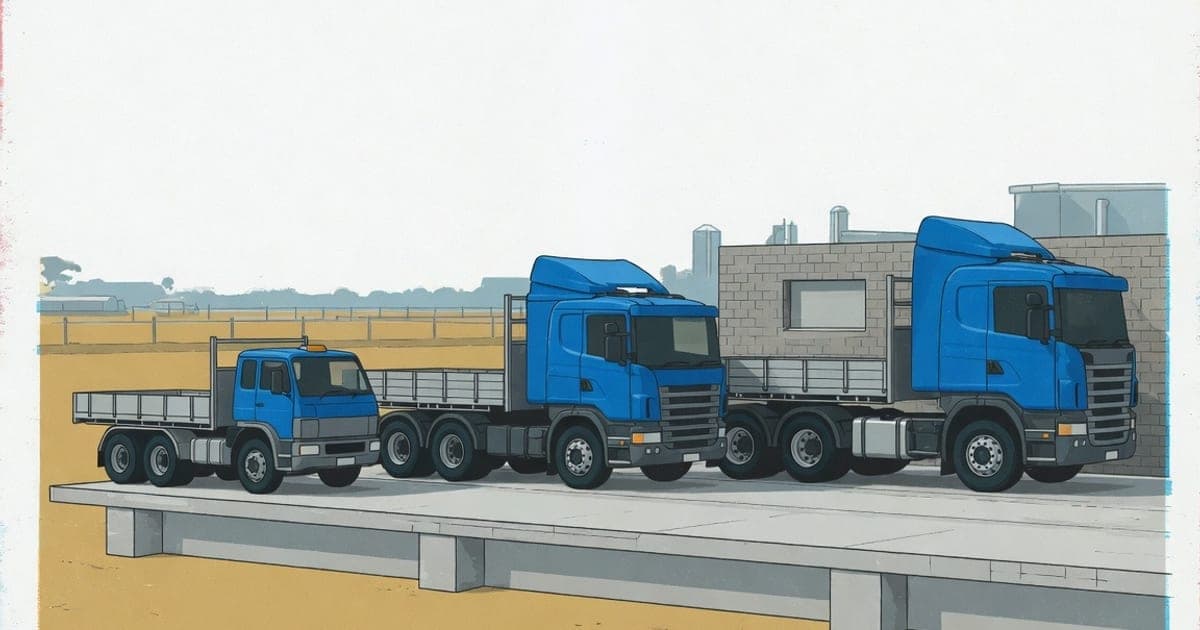
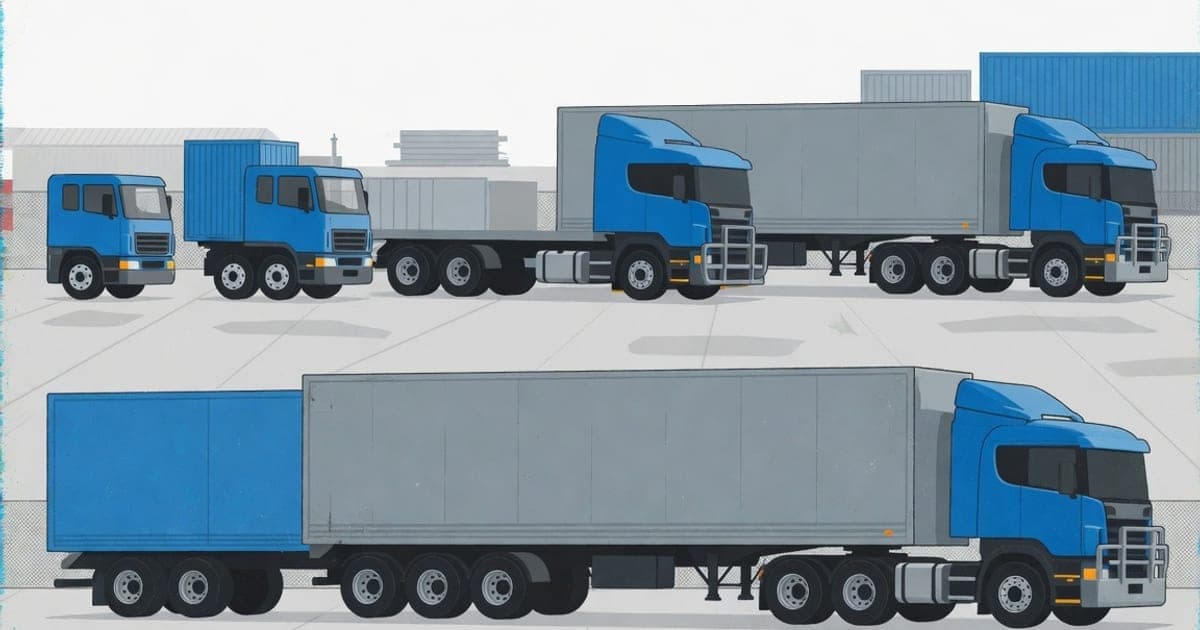
A whole segment of the market is built to the line deliberately. Light trucks from the Japanese brands are sold in 4.5 tonne GVM "car licence" variants alongside otherwise identical higher-GVM versions; big vans and cab chassis models cluster at 4,490 and 4,500 kg ratings; many motorhomes are rated at exactly 4.5 tonnes for the same reason. Two consequences follow. First, check the plate on the specific vehicle, never the model name, because the same badge sells both sides of the line. Second, understand what the rating costs you: a 4.5 tonne GVM truck with a steel tray and a toolbox fitout can have modest real payload left, and the temptation to overload it is exactly how these vehicles get caught at a weighbridge. The van-versus-light-truck payload question is covered properly in the tradie van buying guide.
What happens if you get it wrong
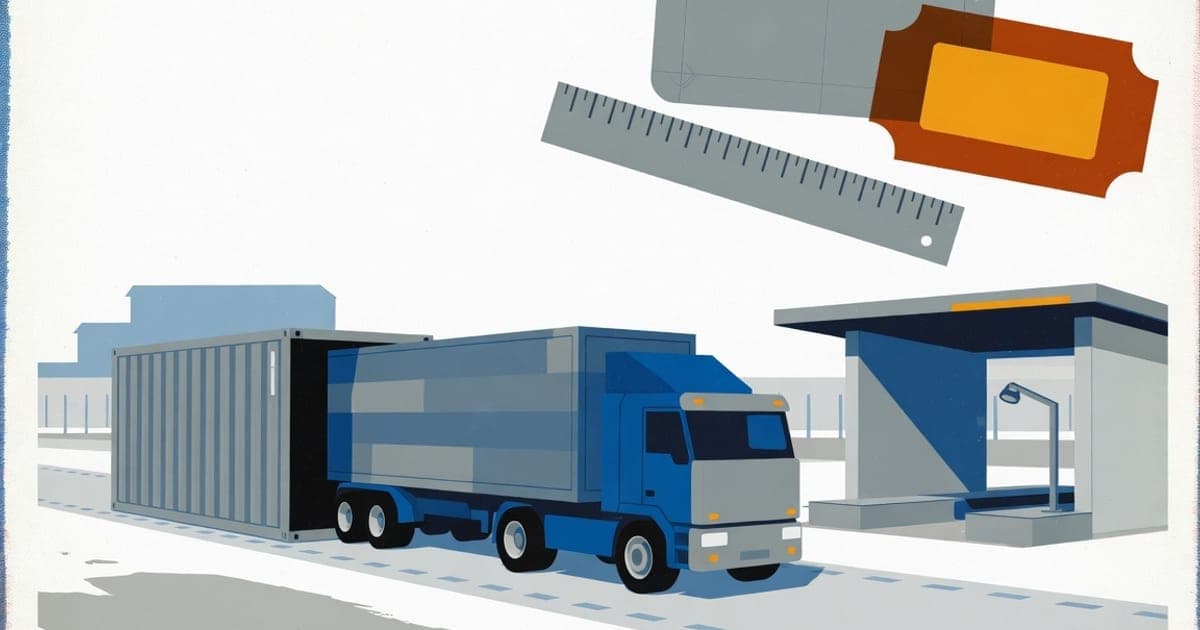
Driving a vehicle over 4.5 tonnes GVM on a bare car licence is driving outside your licence class, an offence in every jurisdiction, with the penalties set by each state's law. The consequence that outlasts the fine is insurance: an insurer told its risk was a licensed driver can dispute a claim when the driver was not licensed for the class, and on a work vehicle that exposure lands on the business as well as the driver. Employers carry their own duty here too: putting an unlicensed driver in a 6 tonne truck is not the driver's problem alone. None of this needs a dramatic example; it just needs the plate read before the keys are handed over.
When stepping up to LR or MR is worth it
The step from C to light rigid is, for most working drivers, the cheapest capability upgrade in transport: it opens the 4.5 to 8 tonne class where payloads get honest, and the medium rigid class above it opens two-axle trucks with no GVM cap in the class definition. If you are habitually loading a 4.5 tonne vehicle to the ceiling, the licence, not a bigger fitout, is the fix. The full ladder, LR through MC, and what each class covers is laid out in the truck licence classes guide.
Buying either side of the line
Both sides of the line are searchable right now: vans and light commercials live almost entirely under it, and the truck listings start at the 4.5 tonne variants and climb from there. Read the GVM on every candidate's plate, do the payload sum against your real load, and if the answer says truck licence, price the licence into the purchase, not against it. Selling a vehicle that sits on the line? List it free and put the GVM in the first line of the description, because "car licence" is the single most searched claim in this segment and the plate photo is what makes buyers believe it.
Licence class boundaries described here follow the national driver licensing framework as administered by the state and territory road authorities; confirm current rules, including towing and licence conditions, with your own authority. Checked August 2026.