Excavator Undercarriage: How to Measure Wear and What Replacement Really Costs
8 min read
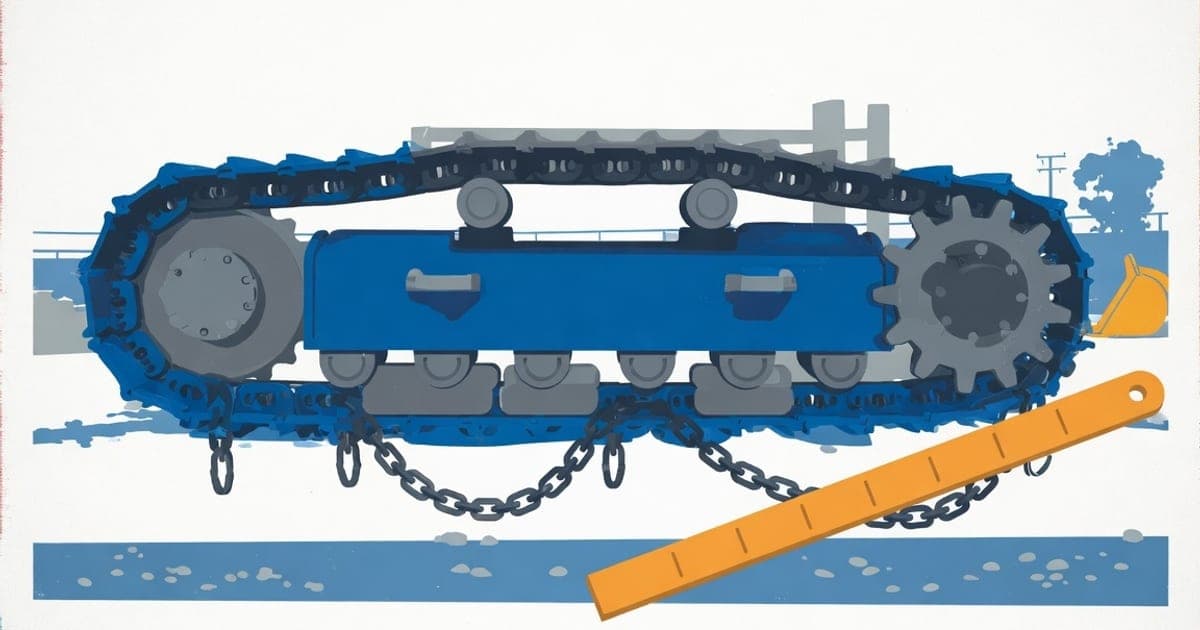
Two identical excavators with identical hours can be tens of thousands of dollars apart in real value, and the difference is usually sitting under the machine. Undercarriage wears invisibly, is quoted loosely by sellers, and costs serious money to put right, which makes it the single best place for a buyer to win or lose a deal. The short version: undercarriage condition is measured with gauges against the manufacturer's wear limits, a percentage quoted without a measurement report is a sales claim, and the right way to buy a tracked machine is to turn a measured wear figure into a dollar adjustment before you agree a price.
Why undercarriage decides whether a machine is cheap or expensive
Manufacturer and dealer maintenance guidance is consistent on this point: undercarriage is the largest single maintenance item over a tracked machine's life. Caterpillar and Komatsu both publish undercarriage management guides for exactly this reason, and the figures in that class of literature commonly place undercarriage somewhere between a quarter and half of a tracked machine's lifetime owning and operating cost, depending on machine type and application. The exact share is argued; the ranking is not.
That is why a used excavator's asking price means little until you know where the undercarriage sits in its life. A machine at 20 percent worn and a machine at 80 percent worn are different purchases wearing the same paint, and the gap between them is roughly the cost of the rebuild the second machine needs soon. The market broadly understands this, which is why undercarriage percentage claims appear in listings. What the market does not do is verify them, and that is your job. Where undercarriage sits among everything else that moves a price is covered in what a used excavator actually costs.
The components: chains, rollers, idlers, sprockets, track shoes
Undercarriage is a system of consumables that wear together:
| Component | What it does | How it wears |
|---|---|---|
| Track chain (links, pins, bushings) | The moving structure the machine rolls on | Pins and bushings wear internally, the chain stretches, pitch grows |
| Track shoes or rubber tracks | The ground contact | Grouser height wears down; rubber tracks crack, chunk and expose cords |
| Bottom rollers | Carry the machine's weight on the chain | Tread diameter shrinks, flanges wear, seals weep oil |
| Top rollers or carrier rollers | Support the chain's return run | Same wear, smaller part |
| Idlers | Guide and tension the chain at the front | Tread wears, centre flange wears |
| Sprockets | Drive the chain | Teeth thin from rounded to sharp and hooked |
| Track tensioner and recoil | Holds correct chain tension | Leaks and collapses, letting the chain run slack |
The system wears as a set. A new chain run over dead sprockets wears fast, and new sprockets under a stretched chain wear faster. That is why quotes come as partial or full sets rather than one shiny part, and why a seller's "new sprockets fitted" line deserves the question: fitted onto what?
How wear percentage is measured and by whom
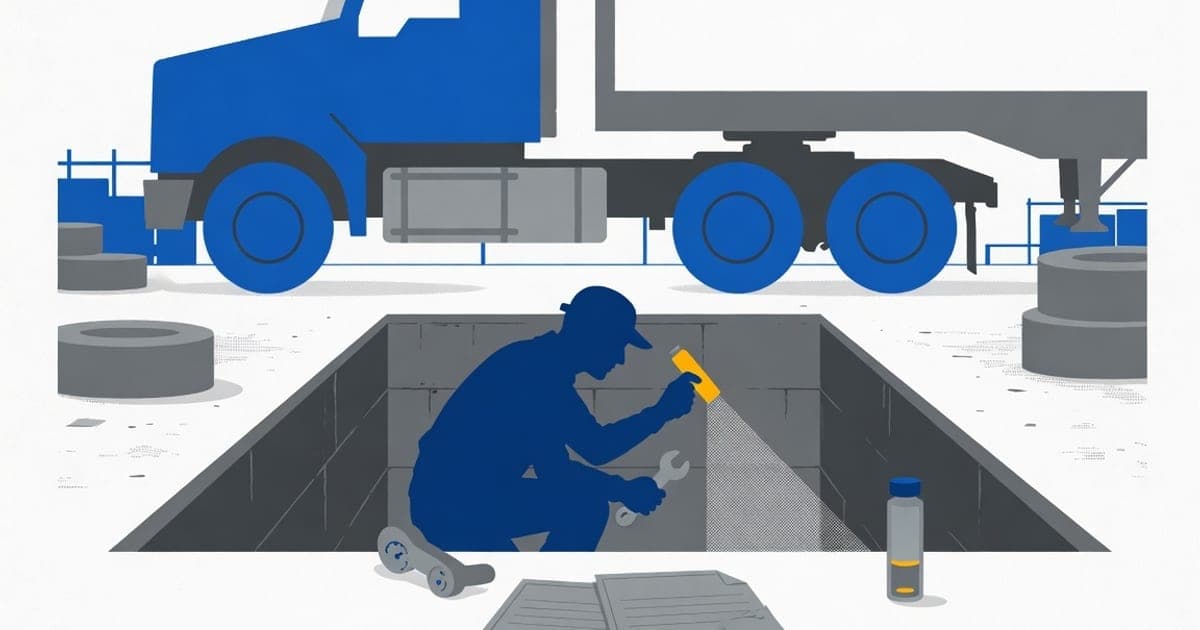
Percentage wear is not an impression, it is a measurement. Each manufacturer publishes wear limit tables for its undercarriage components: a new dimension, a 100 percent worn dimension, and the curve between. A technician measures the actual components, usually with depth gauges, callipers and tape, sometimes with ultrasonic tools on rollers and idlers where the wear surface cannot be reached directly, and reads each component's remaining life off the tables. Dealers run this as a service: Caterpillar dealers have offered structured track inspections for decades, and the other major brands' dealers and independent undercarriage specialists do the same.
The output worth paying for is a written report listing each component's measured dimension and remaining percentage, per side. Sides wear differently, machines that work on slopes or always slew to the same side wear one track faster, and an honest report shows it. If you are inspecting a machine to buy, make the offer conditional on this report, or pay an independent to produce one; the rest of the pre-purchase process around it is in the used excavator inspection checklist.
What accelerates wear: material, tension, habits, size
Manufacturer maintenance literature names the drivers, and two of them dominate.
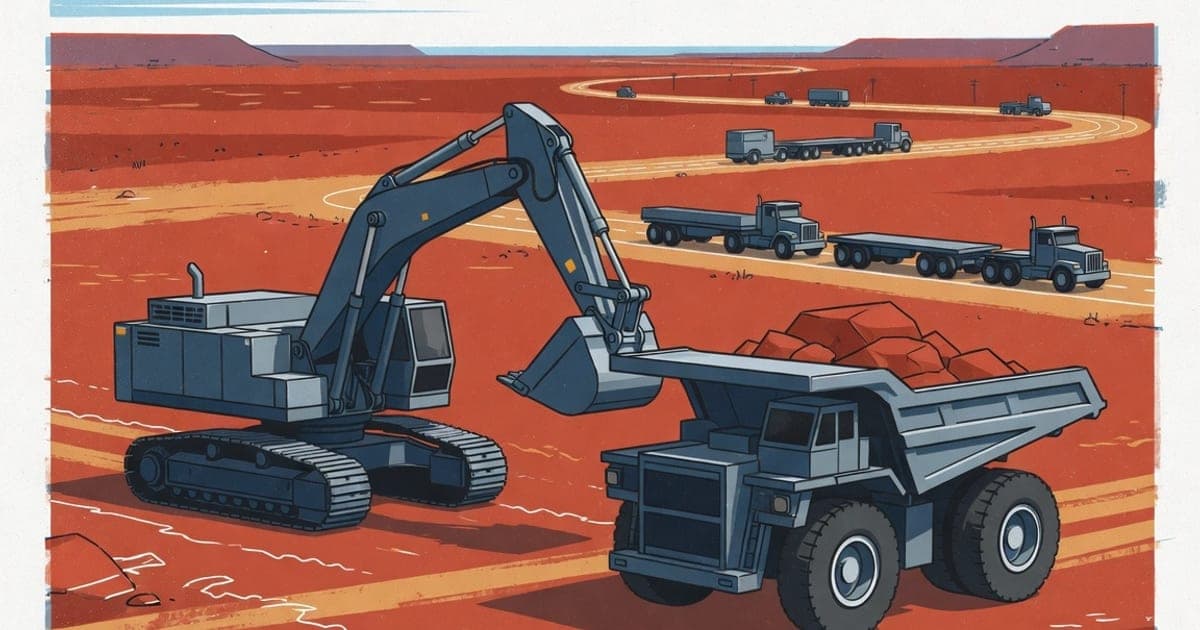
Material. Abrasive ground eats undercarriage. Sand, crushed rock, demolition rubble and anything wet and gritty acts as grinding paste between chain, rollers and sprockets. The same machine doing the same hours in clean clay lives a multiple of the life it gets in a quarry. This is why ex-quarry and ex-mine machines deserve extra scepticism regardless of hours.
Track tension. Operator manuals specify track sag for a reason. A chain run too tight loads every pin, bushing, roller and idler continuously and accelerates wear across the whole system; too loose and the chain snakes, slaps and wears the guides and sprocket. Correct tension checked for the conditions is the cheapest undercarriage life extension there is, which is exactly why hire machines, adjusted by nobody, wear the way they do.
Behind those two: operator habits (spinning tracks, tracking long distances at speed, turning aggressively on hard ground, working across slopes), lack of daily cleaning so material packs and sets in the undercarriage, and machine size, since heavier machines load every component harder and their parts cost more when the time comes.
Reading a seller's undercarriage claim sceptically
"Eighty percent undercarriage" in a listing, with nothing behind it, is marketing. Questions that separate data from hope:
- Who measured it, when, and can I see the report?
- Per component and per side, or one number for the whole machine?
- Measured against which manufacturer's wear tables?
- What has been replaced, when, at what hours, with genuine or aftermarket parts, and is there an invoice?
A seller with a real answer to the first question is usually straightforward about the rest. A seller who answers "the mechanic had a look" has told you the number is decorative. Photographs help but do not decide: chain stretch and internal bushing wear, the expensive kind, cannot be seen in a photo at all.
Replacement cost: what drives the quote
We are deliberately not printing a dollar figure for "an undercarriage" because there is no such number: the quote is a build-up, and every line moves. What drives it:
- Machine size and brand. Parts scale steeply with machine class, and the same wear percentage on a 20 tonne machine is several times the money it is on a 5 tonner.
- Genuine versus aftermarket. Aftermarket undercarriage is a large, established market in Australia and quotes at a meaningful discount to genuine. Quality varies by supplier, which is why the supplier's name belongs on the quote you compare, not just the price.
- Scope. Chains and sprockets only, or rollers and idlers too, or shoes as well. See partial versus full below.
- Labour and access. Pressing pins, breaking chains and handling components this heavy is workshop work with proper equipment, quoted as hours on top of parts.
- Freight. Undercarriage components are dense and heavy, and freight to regional Australia is a real line on the quote.
Get quotes in writing from named suppliers for the specific machine by serial number, and confirm whether the figure is supply only or fitted, and whether it is plus GST, because machinery quotes usually are.
Partial versus full rebuild
Because the system wears as a set, the honest choice is usually between a matched partial (for example chains and sprockets together, because those two wear into each other) and a full set. A measured report makes the decision for you: components above roughly the halfway mark can often wait for the next round, components near their limits go now, and mixing brand-new with nearly-dead on the same wear pair wastes the new part. A machine you plan to sell soon changes the sum again, since buyers pay for a measured healthy undercarriage but rarely repay the full cost of a fresh one. Worn-out components have salvage value near zero, so there is no prize for running them to destruction either: a failed chain in the field turns a scheduled rebuild into a recovery job.
Turning a wear percentage into a price adjustment
The buying arithmetic is simple once the inputs are real. Take the measured remaining life, estimate the hours to the rebuild at your usage, and get a written quote for the work the report says is coming. Then adjust the offer: a machine advertised at a fair market price with a rebuild due inside your first year is overpriced by most of that quote. Put both documents, the measurement report and the quote, in front of the seller with the revised number. This is the least confrontational negotiation in machinery buying, because it is not an opinion contest; it is arithmetic the seller can check.
If instead you are the seller, the same logic runs in reverse and in your favour: a measured undercarriage report on a healthy machine is the cheapest value-add there is. When you list a machine for sale, attach the report and state what was replaced and when. Buyers pay for certainty.
What to do next
Never buy a tracked machine on hours and paint. Get the undercarriage measured, price the coming work from real quotes, and adjust from there. Compare enough machines to calibrate your eye, starting with the current earthmoving and construction listings, and when the rebuild does come due, price components across suppliers including the machinery parts and attachments listings before you sign the first quote.
Undercarriage cost-share figures in this post are attributed to manufacturer and dealer undercarriage maintenance guidance (Caterpillar and Komatsu both publish it); published shares vary by machine type and application, so treat the range as a class generalisation, not a figure for your machine.