Heavy Machinery and Truck Scams in Australia: The Patterns to Know
6 min read
Heavy equipment fraud works because the amounts are large, buyers are often remote from the machine, and a bank transfer, once sent, is close to unrecoverable. The patterns are not sophisticated: a price slightly too good, a seller who cannot meet, a transport or escrow company that does not exist, a deposit to hold it. The defence is not cleverness either, it is process: verify the machine exists and the seller controls it, run the register checks, pay traceably against documents, and refuse every attempt to rush you. Here are the patterns doing the rounds, what each looks like from the buyer's seat, and where to report the ones that find you.
Why heavy equipment attracts high value fraud
A scammer selling a phantom phone makes hundreds of dollars; a phantom excavator makes tens of thousands in one hit. Machines are commonly bought interstate sight unseen, which normalises the exact conditions fraud needs, distance and urgency. And the goods themselves are attractive to steal: plant has no number plates on the road, moves on floats between anonymous sites, and resells into a market where buyers do not always check serials. High value, weak identity, remote buyers: that is the whole ecosystem.
The deposit scam and the too-good listing
The commonest pattern is the phantom machine: a real machine's photos scraped from an old listing, offered at perhaps 20 to 30 per cent under market, with a story that manufactures distance and urgency, deceased estate, farm clearance, working FIFO, machine is with the transport company. The seller cannot meet you, but a deposit will hold it, and there is always another buyer coming this afternoon. Every element is engineered: the price is low enough to hook but not absurd, the story explains why you cannot inspect, the urgency stops you checking.
The counters are simple. Reverse image search the photos. Ask for a live video walkaround showing the serial plate and a piece of paper with today's date, a request phantom sellers cannot meet. Ask questions only an owner can answer, and check the answers against the machine's paperwork. And accept a rule that costs you nothing: no deposit, ever, to a seller you have not verified, no matter how good the price. A genuine seller who wants a holding deposit will accept a small one against a signed receipt with identity shown, and will not object to you verifying first.
Fake shipping and escrow schemes
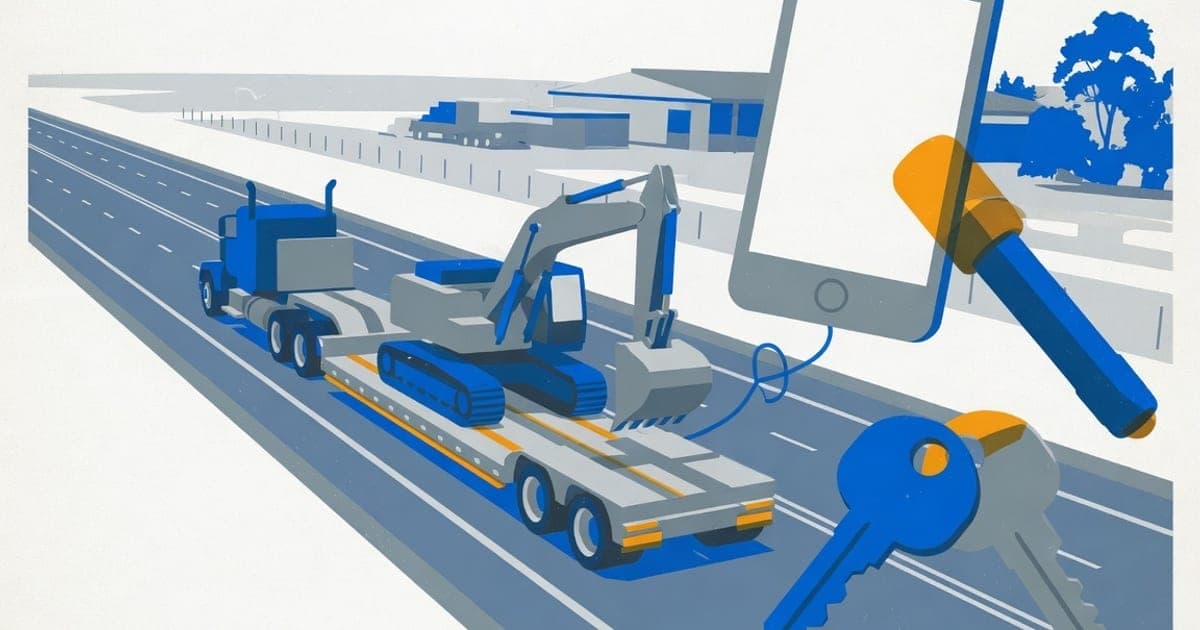
The escrow variant dresses fraud in safety clothing: the "seller" proposes a transport company or escrow service that will hold the machine or the money until you approve, complete with a professional website and tracking numbers. The site is the scammer's. Money paid to it is gone, and the machine never existed. Real escrow barely features in Australian equipment deals, so treat any seller-nominated escrow or freight-payment site as presumptively fraudulent, and if a genuine third-party escrow is ever used, it is one you independently verify and choose, not one supplied in the deal. Payment for machinery goes to the verified owner, or to their financier for a release, and nowhere else.
Stolen plant: removed and overstamped serial plates
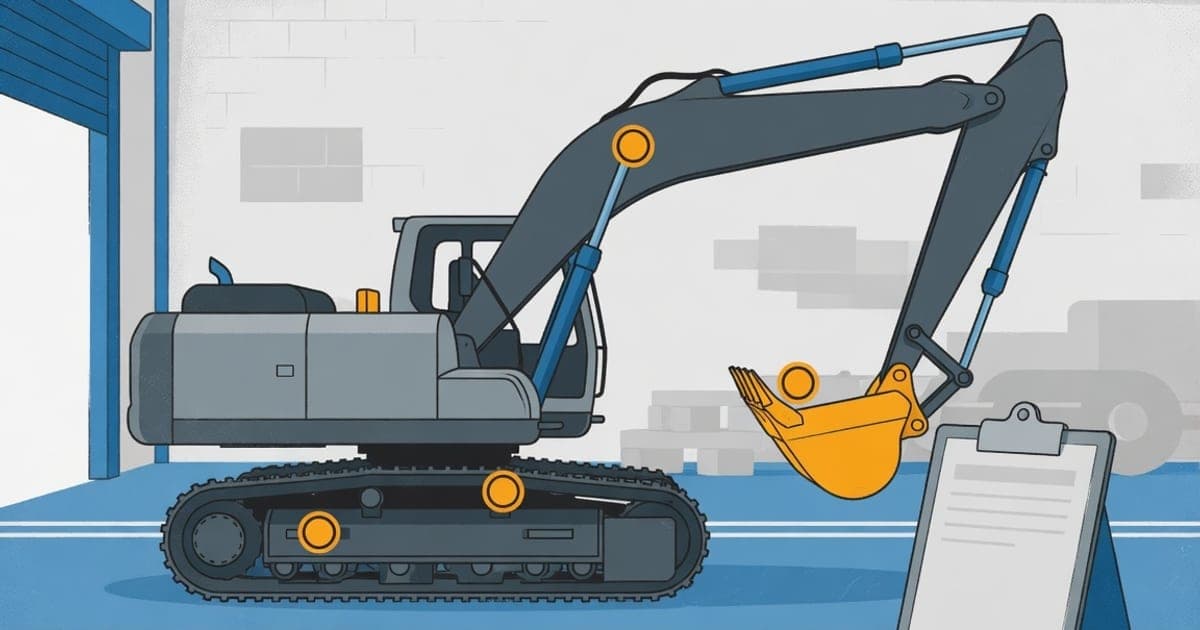
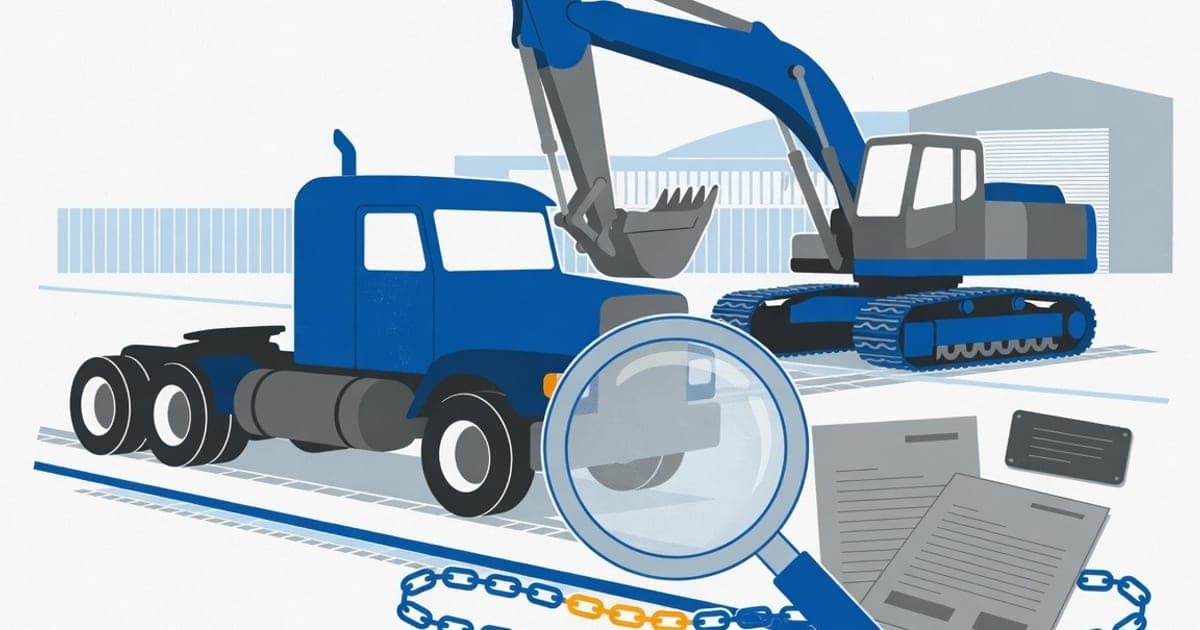
Stolen machinery re-enters the market with its identity massaged: serial plates removed, swapped or restamped, and paperwork built to match. Police and industry insurers have warned about plant theft and identity tampering for years, so treat identity as physical, not paperwork: match the plate against the stamped or etched numbers manufacturers put on the chassis and major components, and be suspicious of plates with fresh rivets, paint overspray, or grinding marks nearby. Run the serial through the PPSR, and buy from sellers whose ownership story has a paper trail, dealer invoice, import documents, service records in their name. A machine markedly under market with a vague provenance is not a bargain, it is bait, and buying stolen plant loses you both machine and money when it is identified.
Odometer and hour meter tampering
Hour meters are small electronic or mechanical units, and winding them back, or simply replacing them, is neither difficult nor detectable from the seat. The tell is coherence: pedal, seat and control wear against claimed hours, service stickers and oil sample dates against the meter, ECU-logged hours where a dealer can pull them, and the machine's work history in concrete terms. On trucks, engine hours and kilometres should agree with the story and with inspection findings. Where the meter matters to price, and it always does, make the claimed reading a written term of the deal, which converts a lie from a haggling trick into documented misrepresentation.
Undisclosed finance and the repossession risk
Not all losses are strangers with fake listings: a genuine seller with genuine finance can cost you the machine after settlement, because a secured lender's registered interest can survive the sale, and repossession from the new owner is the enforcement path. The defence costs $2 and takes minutes, and machinery needs it doubly, serial search plus a grantor search on business sellers, for reasons covered properly in our PPSR guide. No PPSR certificate, no payment: it is that mechanical.
Payment methods and what actually protects you
Be honest about the instruments. A bank transfer is fast, final and offers almost no recovery path once it lands; banks can attempt recall, but a mule account empties in minutes, so treat OSKO-speed payment as cash. PayID at least shows you the receiving name before you commit, and a mismatch between account name and claimed seller is a stop sign. Cash suits small in-person deals and nothing else. Card and PayPal protections that help with consumer goods rarely apply at machinery values or to vehicle transactions. What actually protects you is everything before payment: identity verified, machine sighted, registers searched, and a payment routed to the verified owner or their financier against documents. Where fraud has already happened, report fast: your bank first for any recall chance, then police, and Scamwatch as below.
How to buy safely and where to report
The safe pattern by now writes itself: deal where conduct is visible, keep the conversation on-platform where the enquiry thread and the seller's history are evidence, insist on inspection in person or by a paid independent inspector, run the PPSR, verify the account name matches the verified seller, and let every rushed deadline pass. Our safety page sets out the platform-side protections, and the same discipline applied from the other side protects sellers from overpayment and fake-buyer scams when you list a machine; selling-side patterns are covered in where to sell heavy machinery.
Report attempts and losses to Scamwatch at scamwatch.gov.au, the ACCC's reporting channel, and to your state or territory police; we are deliberately quoting no loss statistics here, but Scamwatch publishes its reported-loss data if you want the scale. Reporting feels pointless the day you have been burnt, and is exactly how the next buyer's search results end up warning them. Then go back to shopping with the process intact: the genuine machines on the open market survive every check on this page without complaint.
Checked against Scamwatch and PPSR guidance on 6 August 2026. Fraud patterns evolve; the process, verify, search, inspect, pay traceably, is the part that does not.