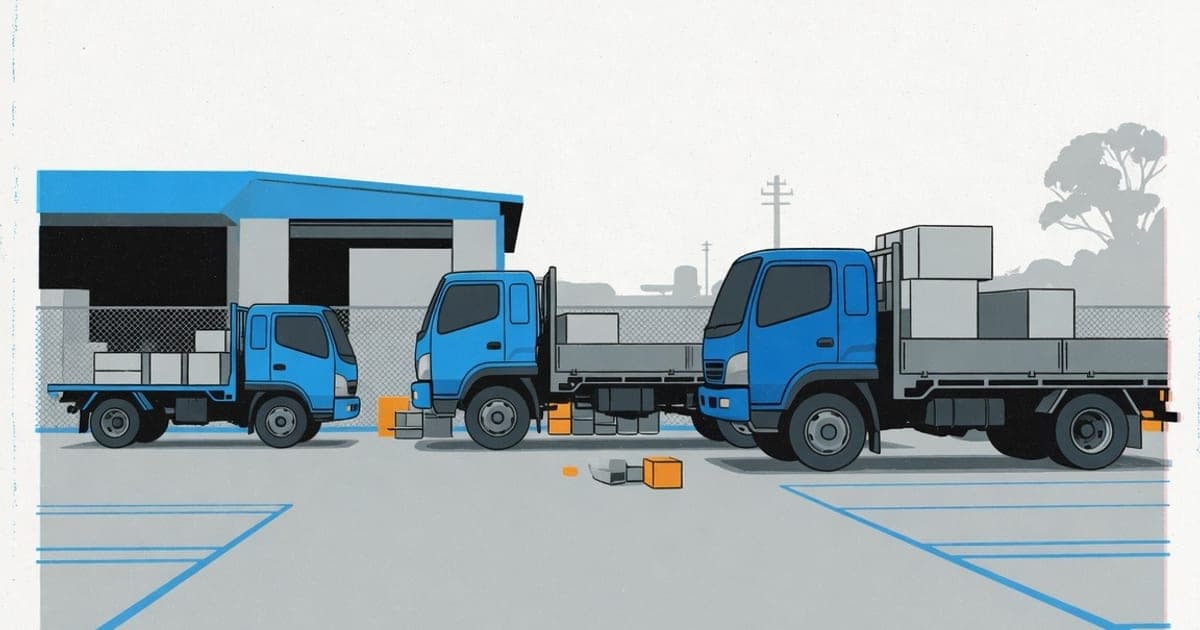
8 Tonne, 12 Tonne or 26 Tonne? Picking the Right Rigid Truck Size in Australia
7 min read
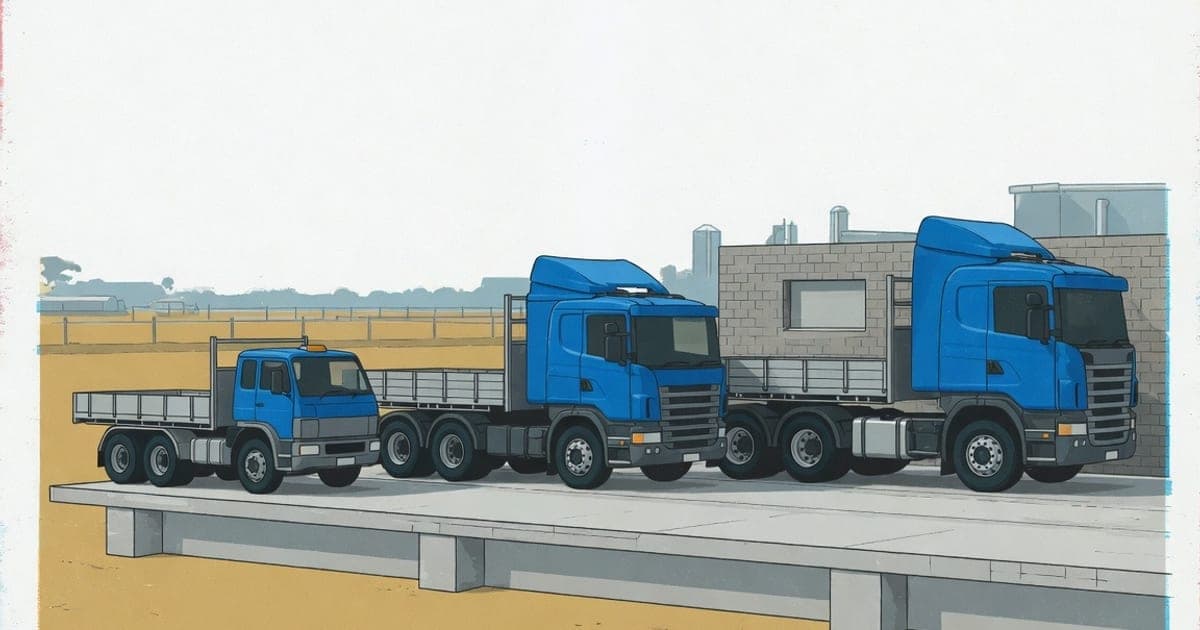
Rigid truck sizing comes down to four numbers and one honest question. The numbers are GVM, tare, payload and, if you tow, GCM. The question is what the truck must legally carry on its worst day, not its average one. Get those right and the size picks itself: the 4.5 tonne class if the car licence matters more than payload, 8 to 12 tonnes for most trades and local freight, a two-axle truck at the top of its limits for pallet work, and a three or four axle heavy rigid when the payload is the business. Get them wrong and you either pay every day for capacity you never use, or you run overloaded, which is an offence and voids the maths anyway. This guide works through the classes with the licence and mass rules attached to each.
GVM, GCM, tare and payload: the four numbers
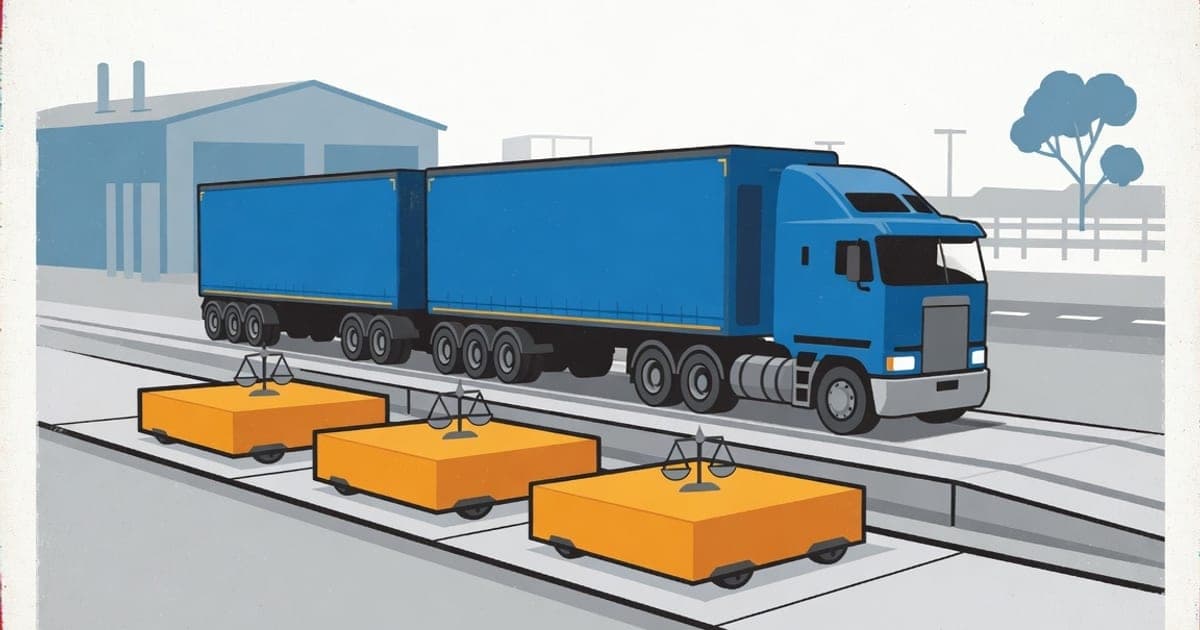
GVM (gross vehicle mass) is the maximum the truck may weigh loaded, as rated by the manufacturer and shown on the compliance plate. Tare is the truck's empty weight. Payload is the difference between them, and it is the only number that earns money. GCM (gross combination mass) caps truck plus trailer when towing, and ATM is the equivalent rating for the trailer itself. These definitions are the ones used by the NHVR and the state road authorities, and the compliance plate on the actual truck, not the brochure, is the authority for a specific vehicle.
The trap inside these numbers is that tare grows after the truck is built. A service body, crane, racking, tailgate loader and a bullbar all come straight out of payload. A "12 tonne truck" with a heavy body can be a six-and-a-bit tonne payload truck, so always do the sum on the actual vehicle with a weighbridge ticket.
The 4.5 tonne line and why it changes everything
The first size boundary is not about the truck at all; it is about who may drive it. Up to 4.5 tonnes GVM, a standard car licence covers it in the national licensing framework the states administer. One kilogram over and you are into truck licence territory. That single line shapes the whole light truck market, creates a price premium for 4.5t GVM variants, and catches out buyers who assume a small-looking truck is a car licence truck. The detail, including the GVM upgrade and downgrade traps, is covered in what you can drive on a car licence.
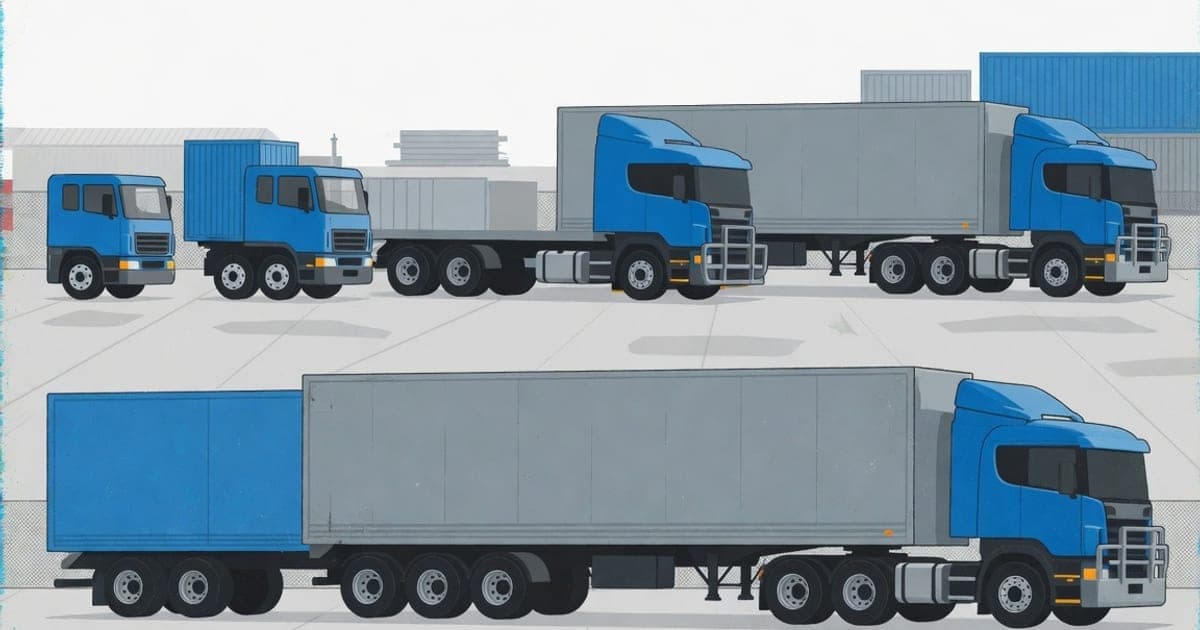
8 to 12 tonne: the tradie and small freight class
Above 4.5 tonnes, the light rigid (LR) class runs to 8 tonnes GVM, and above 8 tonnes a two-axle truck needs a medium rigid (MR) licence. That framework is national in shape but administered by each state and territory road authority, so confirm the current class definitions with yours before booking a test.
The 8 to 12 tonne class is where most trades, landscape suppliers and small freight operators should be looking. It carries a genuine multi-tonne payload, fits in most yards and suburban streets, and the used market is deep because the Japanese brands dominate it; the differences between them are covered in the Isuzu, Hino and Fuso comparison. The buying mistake here is choosing on GVM and forgetting the body: price the truck on payload after fitout.
12 to 16 tonne: two axles at the legal limit
Push a two-axle truck harder and you run into the physics and the law at the same time. The legal ceiling on a two-axle rigid is set not just by the GVM on the plate but by what the regulation allows over the steer axle and the drive axle group, and the lower number always governs. Steer axle limits also vary with tyre width and vehicle standards, which is why two similar trucks can have different legal capacity. The axle group limits sit in the Heavy Vehicle (Mass, Dimension and Loading) National Regulation administered by the NHVR, and they changed on 1 August 2026, so check the current tables at nhvr.gov.au rather than working from memory. How the limits combine, with worked examples, is set out in the general mass limits explained.
For the buyer, the practical point is simple: this class gives you the most payload you can get without adding axles, and it is the sweet spot for metro pallet freight, but the last tonne of capacity on the plate may not be usable over the axles. Do the axle sum before you promise a customer a load size.
Heavy rigid: three and four axle trucks
Add a lazy axle or a second steer and the truck steps into heavy rigid (HR) licence territory, which in the national framework covers rigid trucks over 8 tonnes GVM with three or more axles. It also steps into serious payload. Under the general mass limits in force since 1 August 2026, a tandem drive group with dual tyres may carry up to 17.0 tonnes, per the NHVR's published limits, which is what makes the 6x4 tipper and agitator class work as a business. Twin-steer 8x4 configurations stack a second steer group on top for more again; the group-by-group numbers are in the NHVR tables linked above.
Trucks in this class advertise GVMs in the mid twenties of tonnes, but the same rule applies as everywhere else: the legal on-road mass is whichever is lower, the plate or the sum the axle groups allow. This is also the class where the body decides the truck's identity, and where a crane changes the arithmetic entirely; if that is where your work is heading, read the crane truck buying guide alongside this one.
Adding a trailer: when you cross into heavy combination
Most rigid classes can tow, and many businesses grow by hanging a dog trailer off an existing truck rather than upsizing the truck itself. Two things change when you do. The mass question moves from GVM to GCM, and the truck's rating must cover the combination. And the licence question changes: towing a heavy trailer moves you out of the rigid licence classes into heavy combination territory, and the trailer mass threshold that triggers it is defined in the licensing framework your state road authority publishes, so confirm it there before you buy the trailer rather than after. The full ladder of classes and what each covers is in the truck licence classes guide.
Matching size to licence, rego cost and access
Bigger is not free even when the payload argument works, because three costs scale with size.
| Class | Axles | Licence in the national framework | Typical work |
|---|---|---|---|
| Up to 4.5t GVM | Two | Car (C), confirm with your state authority | Tradie trucks, light tippers, small delivery |
| 4.5t to 8t GVM | Two | LR | Larger tradie and courier work |
| Over 8t GVM | Two | MR | Pallet freight, medium tippers, service bodies |
| Over 8t GVM | Three or more | HR | Heavy tippers, agitators, crane trucks, regional freight |
Licence classes are presented here as the national framework; each state road authority administers them and publishes the current definitions, so verify with yours. Registration charges also climb with GVM and axle configuration, and the annual difference between classes is real money; the way charges are built is covered in what truck registration costs. Access is the third cost: a heavy rigid does not fit every site, every carpark or every council road, and the truck that cannot get to the job earns nothing.
The sizing mistake buyers make most often
The most common error is buying the averages: sizing the truck for the typical load and quietly overloading it on the big days. Overloading is an offence under the heavy vehicle law, it is uninsurable risk, and enforcement weighs axle groups, not intentions. The second most common error is the opposite one, buying the biggest day of the year and paying for it every day between. The honest fix is to size for the recurring legal maximum, and hire or subcontract the genuine peaks.
When you have a class in mind, browse the current rigid trucks listed for sale and compare payloads, not GVMs, across a few candidates. And if this guide has told you your current truck is the wrong size, list it free with the tare and payload stated plainly; the next owner is searching on exactly those numbers.
Mass limit figures are sourced to the NHVR under the Heavy Vehicle (Mass, Dimension and Loading) National Regulation. Checked against NHVR guidance in August 2026; the mass and dimension rules changed on 1 August 2026, and WA and NT apply their own arrangements outside parts of the national law, so confirm current limits with the NHVR or your state authority before relying on them.