Truck Licence Classes in Australia: LR, MR, HR, HC and MC Explained
5 min read
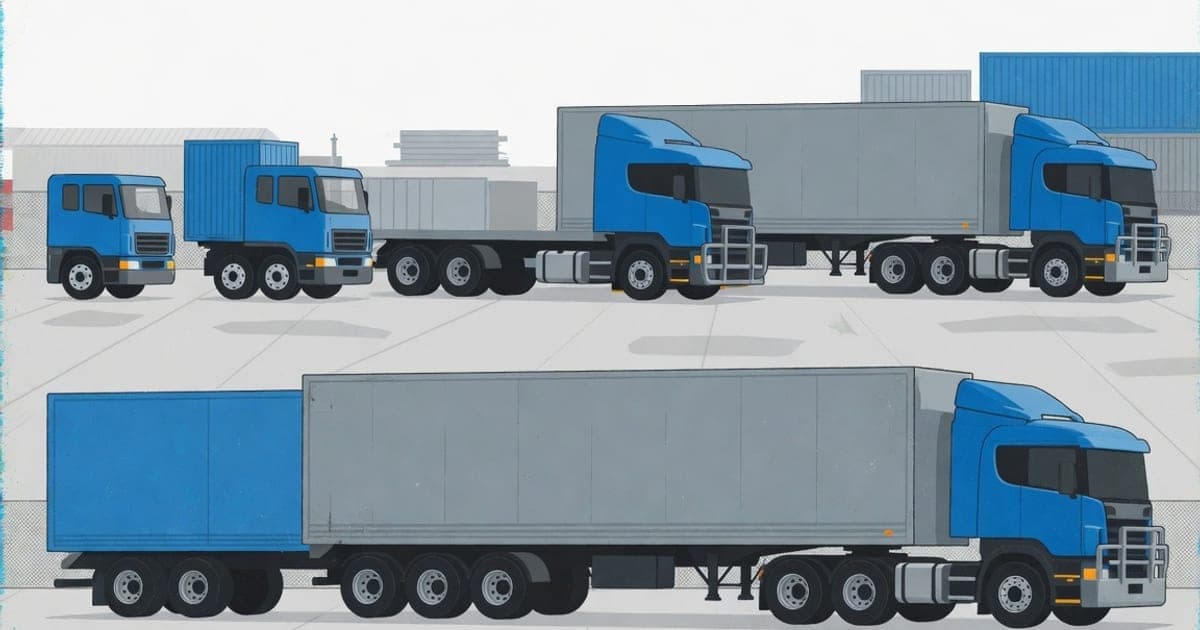
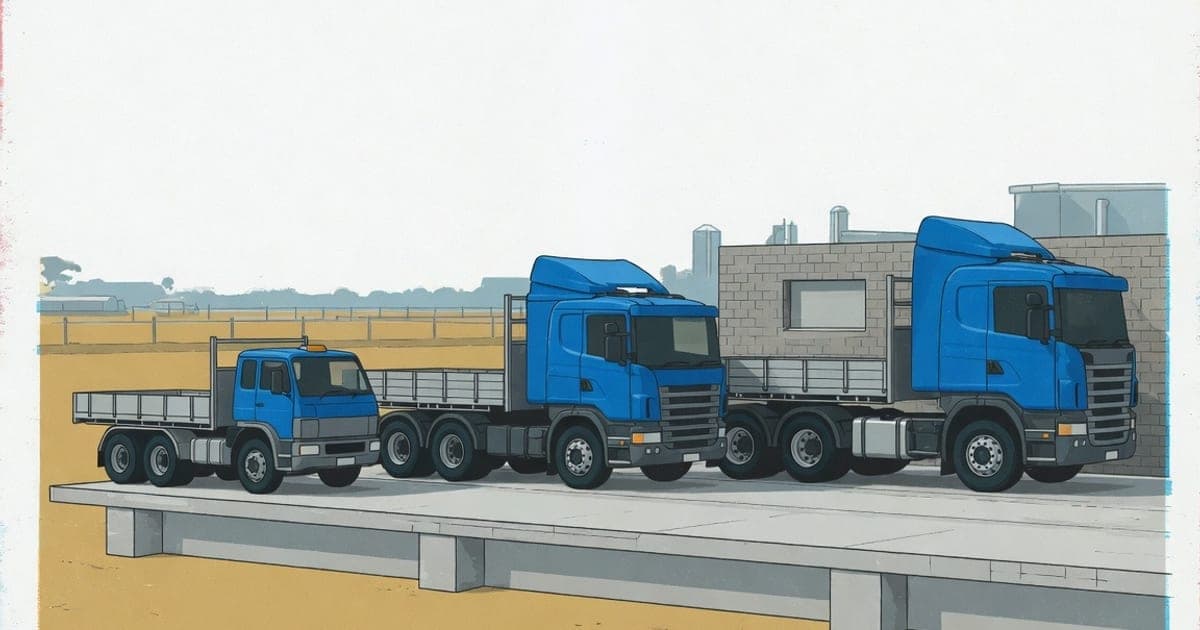
Australian truck licences run through five classes above the car licence: LR, MR, HR, HC and MC, and the class you need is set by the truck's specifications, mainly gross vehicle mass and axle count, not by how big it looks. The framework is national, but licences are issued by each state and territory road authority, and the prerequisites, tenure rules and testing details vary between them, so treat this post as the map and your own road authority, Transport for NSW, VicRoads, Queensland Transport and Main Roads or their counterparts, as the ground truth. The one-line version: a car licence covers you to 4.5 tonnes GVM, LR takes you to 8 tonnes, MR and HR cover rigids above 8 tonnes by axle count, HC is the classic semi, and MC is B-doubles and road trains.
The classes at a glance
| Class | What it covers, per the national framework as state authorities publish it |
|---|---|
| C (car) | Vehicles up to 4.5 t GVM |
| LR (light rigid) | Rigid vehicles over 4.5 t and up to 8 t GVM, and small buses within limits |
| MR (medium rigid) | Rigid vehicles over 8 t GVM with two axles |
| HR (heavy rigid) | Rigid vehicles over 8 t GVM with three or more axles, including with a light trailer |
| HC (heavy combination) | A prime mover with a single semi-trailer, or a rigid towing a trailer over 9 t GVM |
| MC (multi combination) | Combinations with more than one trailer: B-doubles and road trains |
Each class generally includes the ones below it: an HR licence covers MR and LR vehicles. The definitions above follow the national driver licensing framework as published by the state road authorities, Transport for NSW and VicRoads among them, and the exact wording sits on their sites.
C and the 4.5 tonne line
The car licence ceiling of 4.5 tonnes GVM is why so many light trucks and big vans are built to exactly 4500 kilograms: they are the largest vehicles a licensed car driver can legally drive. It is a genuinely useful niche and a genuinely misunderstood one, because GVM is a rating, not what the truck weighs today, and the payload maths at 4.5 tonnes gets tight fast. The full story is in driving a 4.5 tonne truck on a car licence.
LR: light rigid
LR opens the band from 4.5 to 8 tonnes GVM, which covers larger vans, small trucks and minibuses. It is the cheapest step up in training terms, and for a lot of trades and delivery work it is all that is ever needed. The catch is that the 8 tonne ceiling constrains payload just as 4.5 did, one band up.
MR: medium rigid
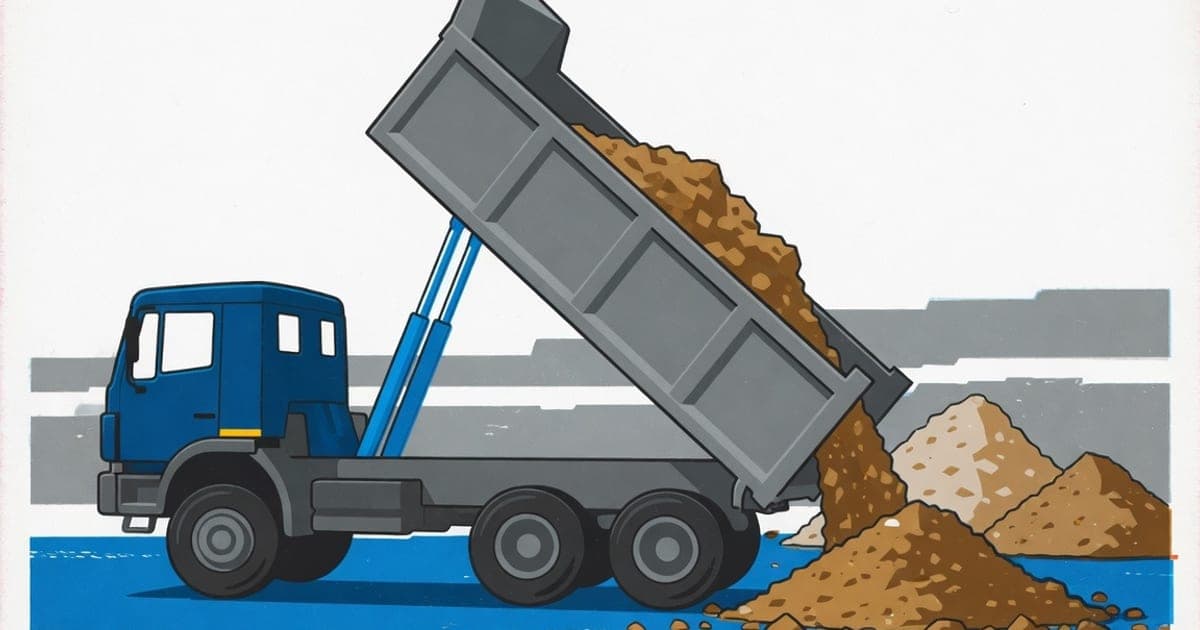
MR covers two-axle rigids over 8 tonnes GVM, the classic mid-size tipper, pantech and service body territory. If the trucks you are looking at live in the 10 to 16 tonne band on two axles, MR is your class, and the size guide for that decision is our rigid truck size guide.
HR: heavy rigid
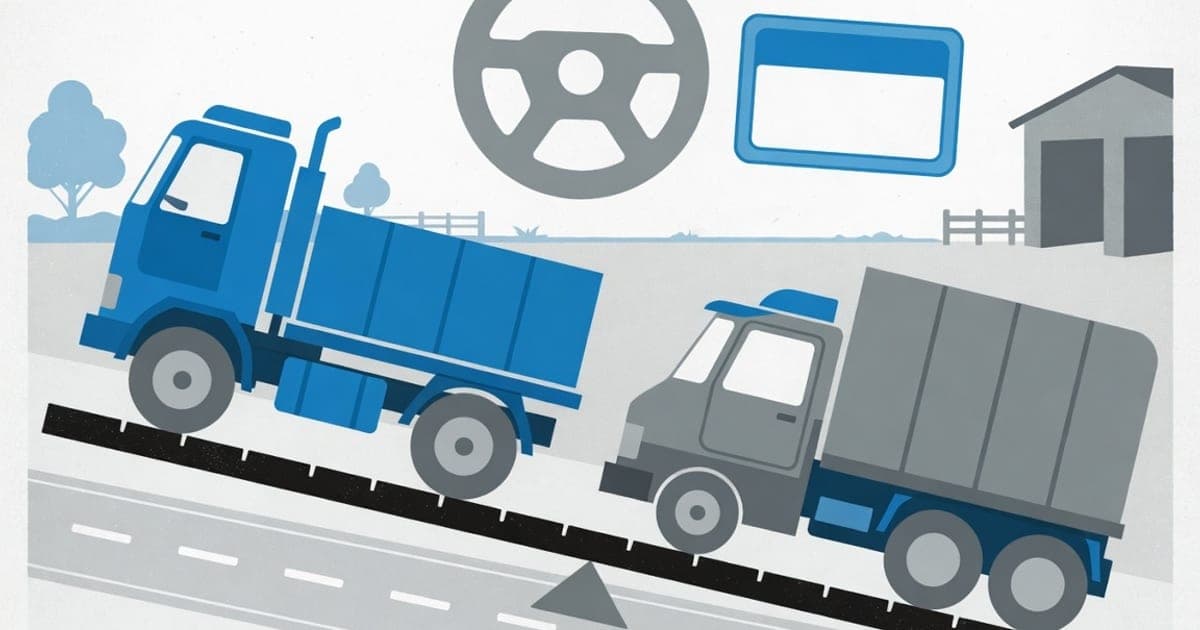
HR removes the axle restriction on rigids: three or more axles, over 8 tonnes GVM, which is where the serious rigids live, 6x4 tippers, crane trucks, agitators, big pantechs. In most states HR also lets you tow a light trailer behind the rigid; the threshold at which the trailer pushes you into combination territory is the 9 tonne trailer GVM line in the HC definition. HR is the most commonly recommended target for someone entering the industry, because it covers most rigid work and is the stepping stone to HC.
HC: heavy combination
HC is articulation: a prime mover pulling one semi-trailer, or a heavy rigid pulling a trailer over 9 tonnes GVM. This is the single-trailer linehaul and distribution workhorse class. The skills step is real, reversing an articulated combination is a different trade from driving a rigid, which is why the tenure prerequisites exist.
MC: multi combination
MC is the top of the ladder: more than one trailer, meaning B-doubles and road trains. It is required for the highest-productivity freight configurations and is usually reached after time on HC.
Prerequisites, age and tenure
Here is where states genuinely differ, so we give the pattern, not a table of per-state numbers, and the instruction to verify. The common structure across the state authorities: LR and MR typically require around a year on a car licence, HR typically requires around two years of driving history, HC typically requires time held on MR or HR, and MC requires time held on HR or HC. Some states run competency-based training pathways alongside tests, and minimum ages follow from the tenure maths. Because these rules shift and vary, confirm the current prerequisite for your class with your own road authority before booking a course, and be sceptical of any training school advertising the rules of one state to residents of another. On that note, course prices and durations vary by school and state, and we are not quoting any here as national facts.
The transmission condition
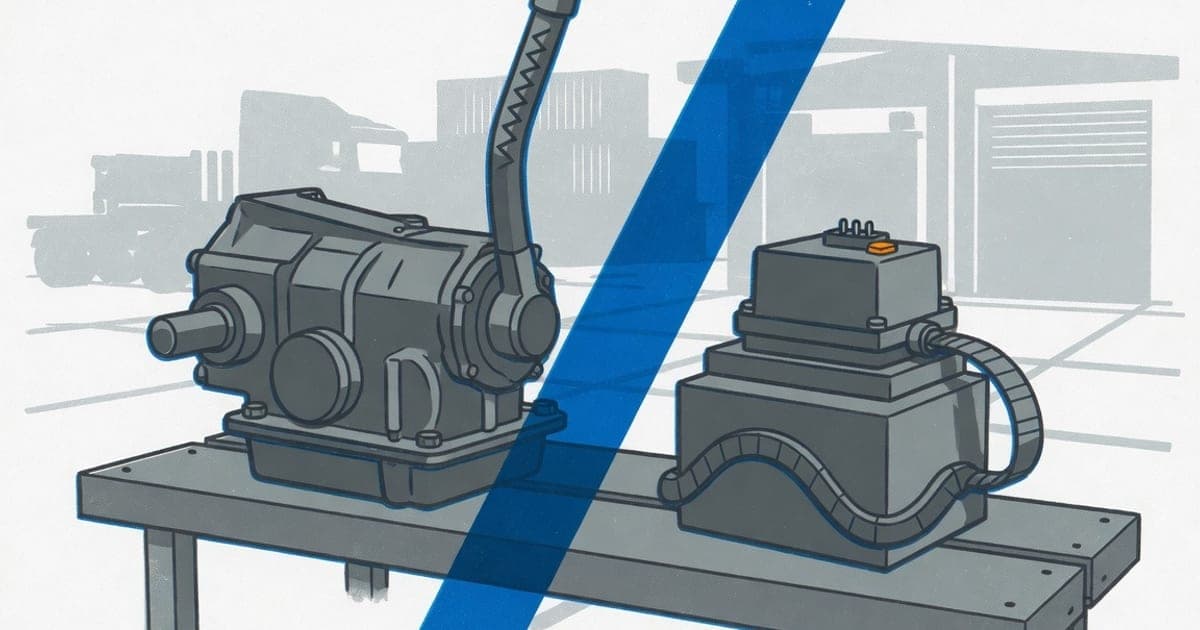
Pass your test in an automatic or synchromesh vehicle and, in most states, your licence carries a condition restricting you to that transmission type for the class; test in a non-synchro crash box and you are unrestricted. The road authorities publish the condition codes and upgrade paths. It matters when buying, because the constrained-shift Roadrangers in a large slice of the used fleet are exactly what a conditioned licence cannot drive; the transmission landscape and where it is heading is covered in Roadranger versus AMT.
Working backwards from the truck you want
The practical way to use licence classes is in reverse: pick the work, find the truck, read its GVM plate and axle count, and that names your licence. A 4500 kg tray on a car licence, an 8 tonne pantech on LR, a two-axle 12 tonner on MR, a 6x4 tipper on HR, a single-trailer semi on HC, a B-double on MC. Then add the running costs that arrive with the bigger plate, starting with registration, before committing to the class jump.
When you go shopping, filter trucks for sale by GVM against the licence you hold or plan to get, and read the plate photos rather than the headline. Sellers, this cuts the other way: state GVM, axle configuration and transmission plainly in your listing, because they define who can even drive your truck, and list it free with those three facts in the first lines.
Checked against state road authority licensing guidance on 6 August 2026. Licence classes follow the national framework but prerequisites and conditions are set state by state and change; confirm with your own road authority before relying on this.