Buying a Truck in Queensland: Market, Inspection and Registration
5 min read
Buying a truck in Queensland means dealing with three Queensland-specific layers on top of the normal buying process: the Department of Transport and Main Roads (TMR) inspection and safety certificate regime, a registration transfer process with its own duty and CTP steps, and a market shaped by mining, agriculture and the long north-south freight corridors. None of it is difficult, but each layer has a rule that surprises interstate buyers, and the inspection requirements in particular should be confirmed with TMR for your exact vehicle class before you hand over money.
What the Queensland heavy vehicle market looks like
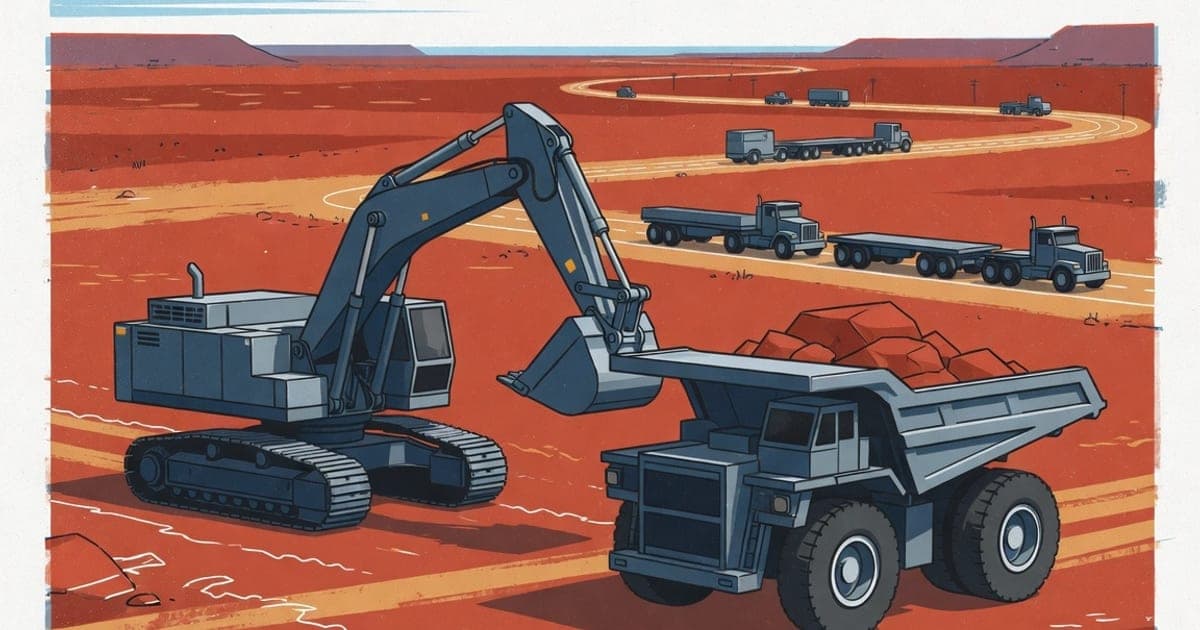
Queensland's truck market is really three markets sharing one state. South East Queensland behaves like any capital freight market: prime movers, rigids and vans cycling through the Brisbane, Logan and Ipswich yards, with the deepest dealer and auction presence. The coalfields and their service towns feed a second market of mine-spec and mine-adjacent gear, water trucks, service bodies and road train units, which turns over with the resources cycle. And regional agriculture, cane, cotton, grain and cattle, runs a third market of tippers, stock crates and tray trucks that trades seasonally.
For a buyer this means the same model can price differently by hundreds of kilometres, and that some of the best-value stock never reaches a capital city yard. Browse the live Queensland listings and the national truck listings side by side and the geography of it becomes visible quickly; treat any blogger's commentary, including this paragraph, as a map rather than a valuation.
Where the stock comes from
Provenance matters more than paint, and Queensland provenance has patterns. Ex-mine and mine-services trucks often carry immaculate service records and hard lives in dust; ex-agricultural trucks can be low on kilometres and high on seasonal thrash and paddock rust; SEQ fleet trucks are the most conventional buy. None of these is automatically good or bad, but each changes what you inspect first. Coastal trucks north of about Rockhampton earn a genuine salt-and-humidity rust check that a Toowoomba grain truck does not need.
Inspection and safety certificates
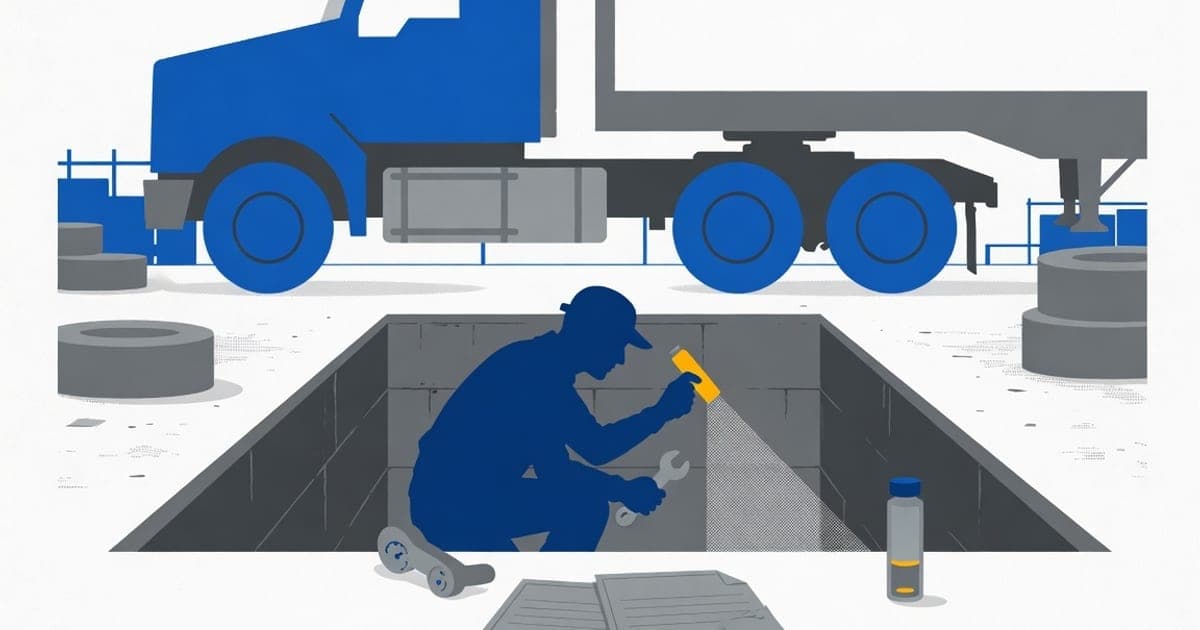
Queensland ties vehicle inspections to both sale and ongoing registration, and TMR administers the regime. Which certificate a vehicle needs, who can issue it, and how long it remains valid depend on the vehicle's class, weight and use, and heavy vehicles sit under a different inspection framework from light ones. We are deliberately not quoting certificate types or validity periods here: the rules are specific enough, and revised often enough, that the only safe source is TMR itself (tmr.qld.gov.au) or a Queensland approved inspection station, checked for your exact vehicle on the day. What you should take from this section is the practical rule: before buying, ask the seller what current inspection certificate the truck holds, sight it, and confirm with TMR what the sale and transfer will require. A seller vague about certificates is quoting you a price that does not include compliance.
Transferring registration in Queensland
The transfer itself runs through TMR, with the buyer lodging within the required period after sale, paying transfer fees and vehicle registration duty calculated on the dutiable value (the schedule sits with the Queensland Revenue Office). The seller's protective move is lodging their disposal side promptly, and the buyer's protective move is running the transfer immediately so fines and tolls land where they should. Timeframes and evidence requirements are TMR's to state, and they differ from other states, which is exactly why our state by state registration guide exists; if you are moving a truck across a border, read it before you start rather than after something bounces.
CTP in Queensland
Queensland runs a licensed-insurer CTP model: compulsory third party cover is part of registration, and you choose your CTP insurer from the licensed providers when registering or transferring, with the scheme overseen by the Motor Accident Insurance Commission (maic.qld.gov.au). For heavy vehicle buyers the practical points are two: CTP is not comprehensive cover, so your truck itself is uninsured until you arrange separate cover, and the CTP class must match the vehicle's actual use, because class errors surface at claim time, which is the most expensive possible moment to discover them.
The national layer: NHVR and the August 2026 changes
Queensland is a participating jurisdiction under the Heavy Vehicle National Law, so mass, dimension, fatigue and access for heavy vehicles are administered by the NHVR (nhvr.gov.au). If you are pricing a truck against the work it can legally do, note that NHVR's mass and dimension rules changed on 1 August 2026: general mass limits now allow 17.0 tonnes on a tandem axle group and 21.0 tonnes on a tri-axle group, and the former Concessional Mass Limits scheme was abolished. Anything you read quoting the old figures, including advice from before August 2026, is stale; confirm the current limits with NHVR before committing to a configuration on the strength of its payload.
Buying from interstate into Queensland
The interstate sequence that avoids surprises: run a PPSR check on the VIN before travelling or paying anything, because an encumbered truck can be repossessed from you even after you have paid in full; get an independent inspection where the truck is; then plan the Queensland end, which means an inspection certificate acceptable for Queensland registration, transfer within TMR's window, duty at the Queensland Revenue Office rate, and CTP from your chosen insurer. The trap interstate buyers hit is sequencing: a truck bought unregistered or on another state's plates needs its Queensland inspection before it can be registered here, so line up how the truck gets to an inspection station lawfully, whether by permit, float or unregistered vehicle permit, before the money moves rather than after.
Regional Queensland: distance is the extra line item
Queensland's size puts real money into logistics that a Sydney or Melbourne buyer never prices. Getting a Cairns truck inspected when you live in Brisbane means either flights and a day, or a paid independent inspector on the ground; getting it home is 1,700 km of driving (with licence, rego and insurance sorted before it moves) or a float bill. Factor both into the price comparison honestly, because a truck $8,000 cheaper in Mackay is not $8,000 cheaper after recovery. The full remote-buying method, video walkarounds, inspections and payment structure included, is in our sight unseen buying playbook.
Buying, and the other side of the trade
The Queensland buyer's checklist compresses to: confirm the inspection certificate position with TMR for the exact vehicle, PPSR before payment, independent inspection matched to the truck's provenance, transfer and duty immediately, CTP insurer chosen deliberately. Start with the live Queensland stock, and if the reason you are reading this is that your own truck is being replaced, list it free with the inspection status stated up front: Queensland buyers, as you now know, are going to ask.
Inspection, transfer and CTP requirements above are Queensland specific and change; confirm current rules with TMR (tmr.qld.gov.au), the Queensland Revenue Office and MAIC. Mass and dimension figures reflect the NHVR changes commencing 1 August 2026, checked against NHVR guidance on 6 August 2026.