Buying Heavy Machinery in Western Australia: Ex-Mine Gear and What It Really Costs
6 min read
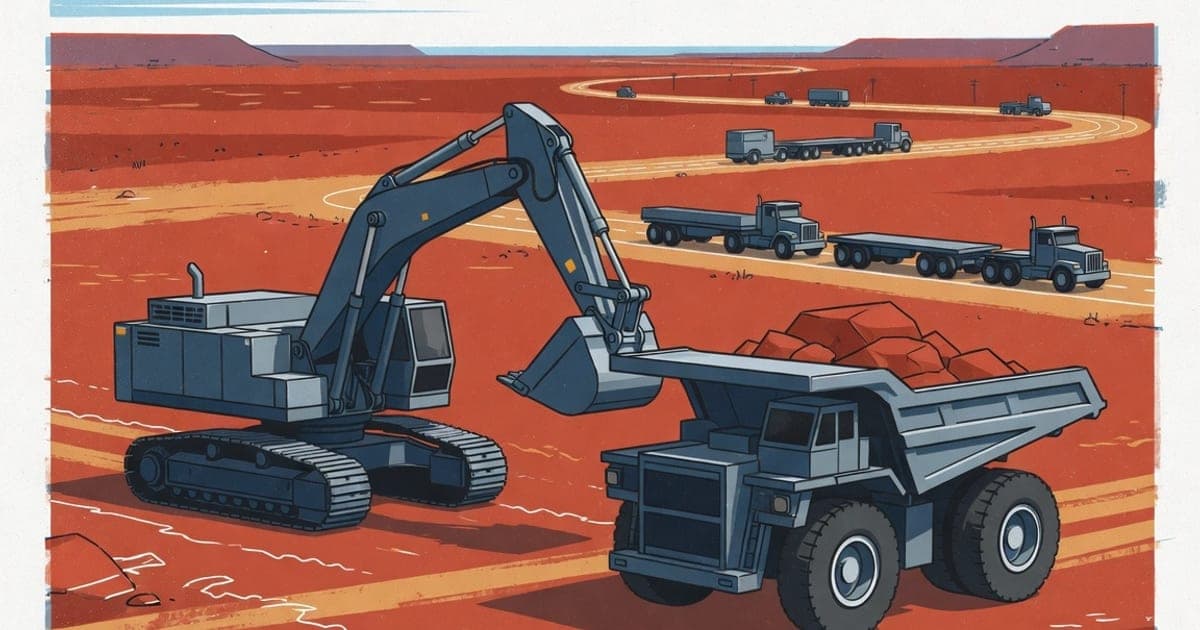
Western Australia is its own machinery market, priced by the mining cycle rather than the construction calendar that drives the east coast. When the resources sector is buying, WA prices run hot and stock is scarce; when a construction phase ends or a miner refreshes a fleet, WA floods with low-priced, high-hour, meticulously documented gear that looks like a bargain from Sydney. Sometimes it is. Whether it stays a bargain depends on three things east coast buyers consistently underestimate: what ex-mine really means mechanically, what freight across the Nullarbor costs, and the fact that WA runs its own heavy vehicle rules under Main Roads WA rather than the national law.
Why WA prices differently
The WA fleet was largely bought for projects, not for general hire, and it is disposed of the same way: in batches, when a contract ends, through auction programs rather than trickling through dealer yards. That batch cycle creates the WA pattern: long stretches of thin stock and strong prices, punctuated by disposal events where near-identical machines sell in rows. The east coast, with its thousands of small civil contractors, smooths this out; WA does not. For a buyer, the implication is timing: the same 20 tonne excavator can clear at meaningfully different money depending on whether it sells alone in a tight month or as lot 40 of 60 in a fleet dispersal.
The other structural difference is specification. A large share of WA plant was ordered mine-spec from new, which changes both what it is worth and what you have to do with it, covered below.
Ex-mine equipment: both sides of the argument
Ex-mine gear polarises buyers, and both camps are right about half of it.
The case for: mine sites run scheduled maintenance with employed fitters, oil analysis programs and defect systems, so an ex-mine machine typically arrives with service records that a two-owner east coast machine cannot match. Compliance-driven maintenance means brakes, steering and safety systems were actually done. The documentation alone de-risks a purchase substantially.
The case against: the hours are real and often enormous, the work was repetitive and heavy, dust and vibration age everything electrical and everything rubber, and a machine can be maintained precisely to the schedule that gets it to end-of-contract and not a day further. High-hour, well-papered gear is not the same as good gear; it is transparent gear. Read the records rather than worshipping them: what you want to see is components replaced on condition, not just serviced on schedule.
Neither story wins in general. The machine wins or loses on its own records and an inspection, which is why our used excavator inspection checklist matters more, not less, when the paperwork looks perfect.
Mine-spec fitout: asset or liability
Mine-spec commonly means some combination of fire suppression, ROPS and FOPS structures, proximity detection, reverse cameras and radar, isolation systems, battery and jump-start standards, high-visibility paint and lighting, and site-specific telemetry. Whether that is worth anything to you depends entirely on the machine's next job.
Going to another mine or quarry: the fitout is genuine value, provided it can be recertified for the new site. Going to general civil work: much of it is dead weight you will pay to maintain or strip, and some of it, fire suppression in particular, is a certified system that needs servicing by accredited providers whether you use it or not. Under WA's work health and safety framework, plant safety systems and structures like ROPS and FOPS sit inside a compliance regime overseen by WorkSafe WA, the state WHS regulator, and whether a given system must be retained, maintained or can be removed depends on the duty-holder's risk obligations for the work the machine will do. Before you pay extra for mine-spec, or pay to remove it, confirm the position for your intended use with WorkSafe WA guidance rather than assuming either way.
Reading a mine fleet's records
Three questions sort mine-fleet listings quickly. First, are hours consistent across the machine: an hour meter that disagrees with the telemetry export or the service records is a walk-away. Second, were major components changed on condition: final drives, slew components, pumps and engines on a big-hour machine should show up in the records as replacements or rebuilds, and their absence means those bills are yours. Third, why is it being sold: end-of-contract dispersal is a clean answer; a single machine exiting a working fleet deserves one more question.
Freight east, and what it really costs
The Nullarbor is the line item that kills marginal WA deals. Machinery too big to containerise moves by float or low loader, and the cost scales with mass, width and height, because an over-dimension machine needs permits, pilots in some configurations, and a carrier licensed for the corridor. We are deliberately not quoting a dollar range here: float pricing moves with backloading availability, fuel and the machine's exact dimensions, and a figure without a live quote behind it would be decoration. The honest method is to get two or three quotes from interstate float operators against the machine's real dimensions and mass before you bid, not after, and to ask specifically about backload rates, because a carrier repositioning east can transform the economics. Treat quoted transit times as estimates with permit approvals inside them.
For anything over-dimension or over-mass, road access runs on permits: in WA through Main Roads WA, and in the eastern states through the NHVR access system. Build permit lead time into the plan and let the carrier, whose licence it is, own the applications. The wider method for buying at this kind of distance, inspections, video walkarounds and payment structure included, is our sight unseen buying playbook.
WA registration and access: not the national system
Western Australia is not a participating jurisdiction in the Heavy Vehicle National Law. Mass, dimension and access for heavy vehicles in WA are administered by Main Roads WA (mainroads.wa.gov.au), with licensing and registration through the WA Department of Transport, and the NHVR's rules, including the 1 August 2026 mass and dimension changes that apply in participating states, do not simply transfer across the border. If you are buying WA gear to work in the east, or east coast gear to work in WA, check the rules on the side of the border where the machine will actually run, and check both if it will run in both. Our state by state registration guide maps who administers what.
The auction cycle, and buying into it
WA's disposal pipeline runs through the national industrial auction houses and specialist mining disposal programs, with regular Perth-region sales and periodic on-site dispersals in the regions. Auction buying rules apply with extra force at WA scale: inspect or pay someone to inspect before bidding, price the buyer's premium and GST into your maximum, and have freight quotes in hand before the hammer, because the machine is yours to move from a yard 3,000 km away the moment it falls.
Buying from the east into WA
The trade runs the other way too: WA contractors buying east coast machines during WA's tight-supply phases face the same freight bill in reverse, plus WA registration and, for anything mine-bound, site compliance and recertification at the destination. The same discipline applies: records, inspection, PPSR search on the serial or PIN before payment, freight quoted before commitment.
Calibrate what WA stock is asking on the live WA listings against the national earthmoving and construction listings, and if you are on the disposal side of a project wind-down, list the fleet free with the records summarised in the listing: the buyers who pay properly for ex-mine gear are the ones who can see the documentation before they fly.
WA operates outside the Heavy Vehicle National Law; statements above about WA administration were checked against Main Roads WA and NHVR public guidance on 6 August 2026. Confirm access, registration and WHS requirements for your specific machine and use with Main Roads WA, the WA Department of Transport and WorkSafe WA.