Pre-Purchase Inspections for Trucks and Machinery: Worth It, and What to Ask For
6 min read
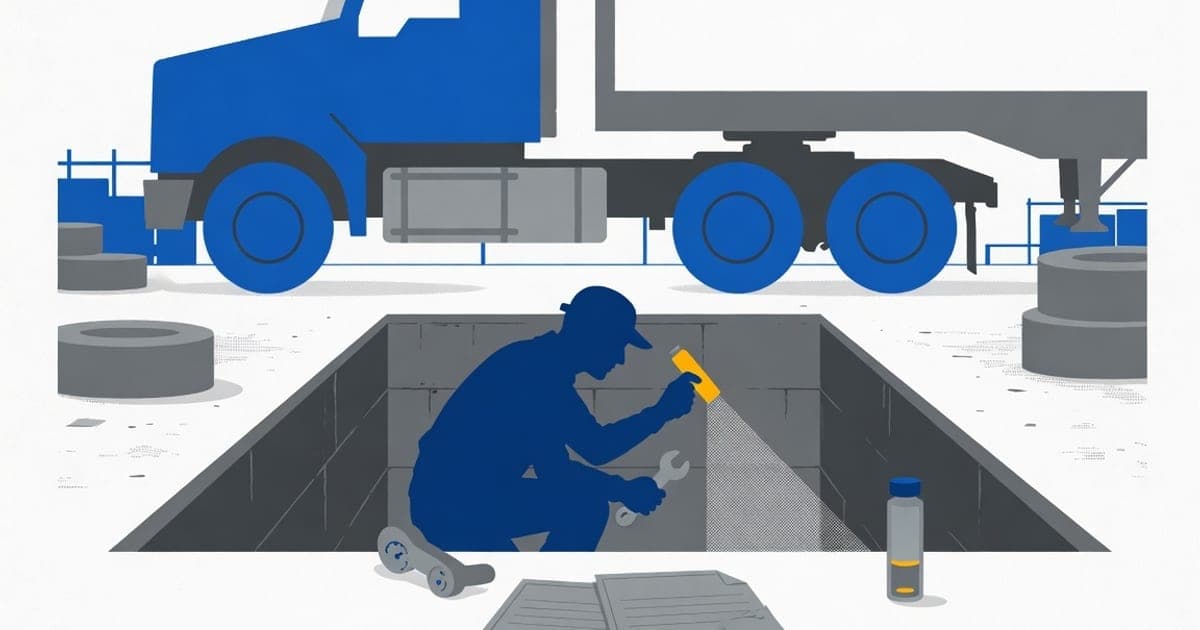
Pay for a professional pre-purchase inspection whenever the machine is expensive relative to your ability to absorb a mistake, whenever you cannot attend in person, and whenever the category is outside your own trade knowledge. That covers most six-figure purchases and almost every interstate one. A good inspection plus an oil analysis costs a fraction of one per cent of a serious truck or excavator and routinely finds items worth many times its fee, either as walk-away warnings or as negotiation evidence. The trick is knowing what to commission: a generic once-over is nearly worthless, while a category-specific inspection with fluid sampling and measured tests is the closest thing to de-risking a used purchase that money buys.
When a DIY check is enough and when it is not
Your own inspection is enough when three things line up: you know the machine type from working on or operating it, the price is low enough that a hidden fault is an annoyance rather than a crisis, and you can physically attend. A tradie buying a cheap local tipper they can crawl over is in DIY territory, guided by a checklist like our used prime mover checklist.
Professional territory starts where any of the three fails: unfamiliar category, money that matters, or distance. It also starts wherever the seller's story is doing heavy lifting, fresh rebuild with no invoices, hours that look low for the year model, a machine detailed to showroom standard in a working yard. An inspector's job is to replace the story with measurements.
Who does heavy vehicle inspections in Australia
The market has four broad options. Franchise dealer workshops inspect their own brand deeply, with ECU access and model-specific knowledge, and suit late-model gear. Independent heavy diesel workshops and mobile HV mechanics do most of the general work and travel to the machine. Specialist plant inspectors and equipment assessors, including the inspection arms of the auction and valuation world, cover earthmoving and ag machinery. And for unusual or very high value assets, independent assessors produce formal condition reports used for finance and insurance as much as purchase. Ask two questions of whoever you engage: what of this exact type do you inspect regularly, and can you show a sample report. A thin sample report answers the question for you.
What a proper report covers
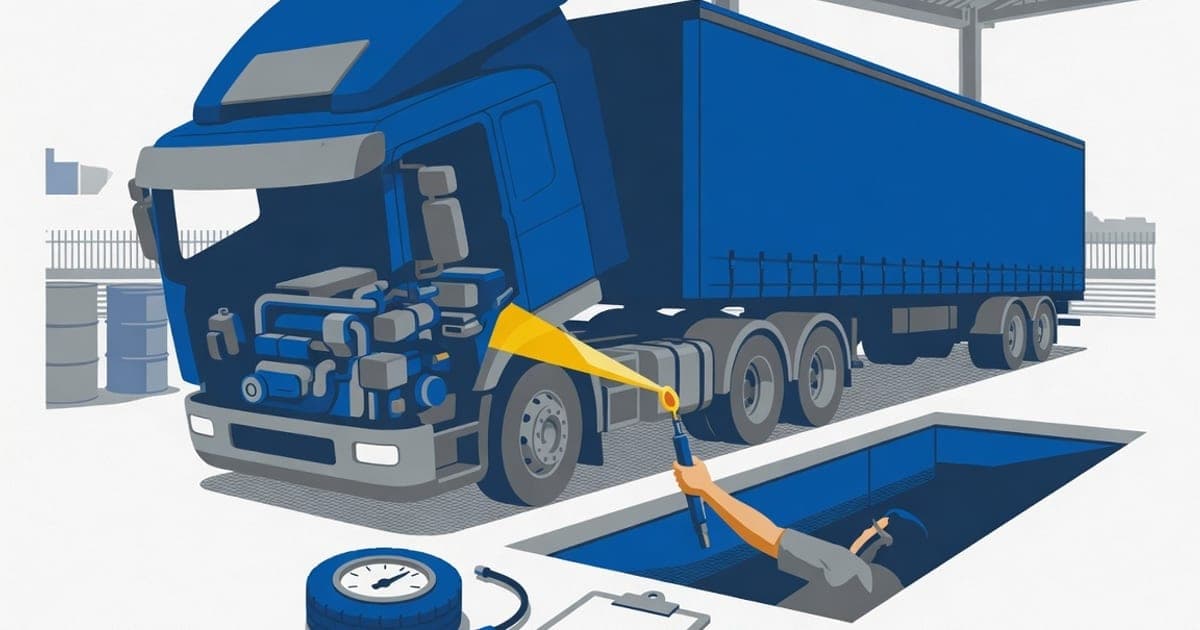
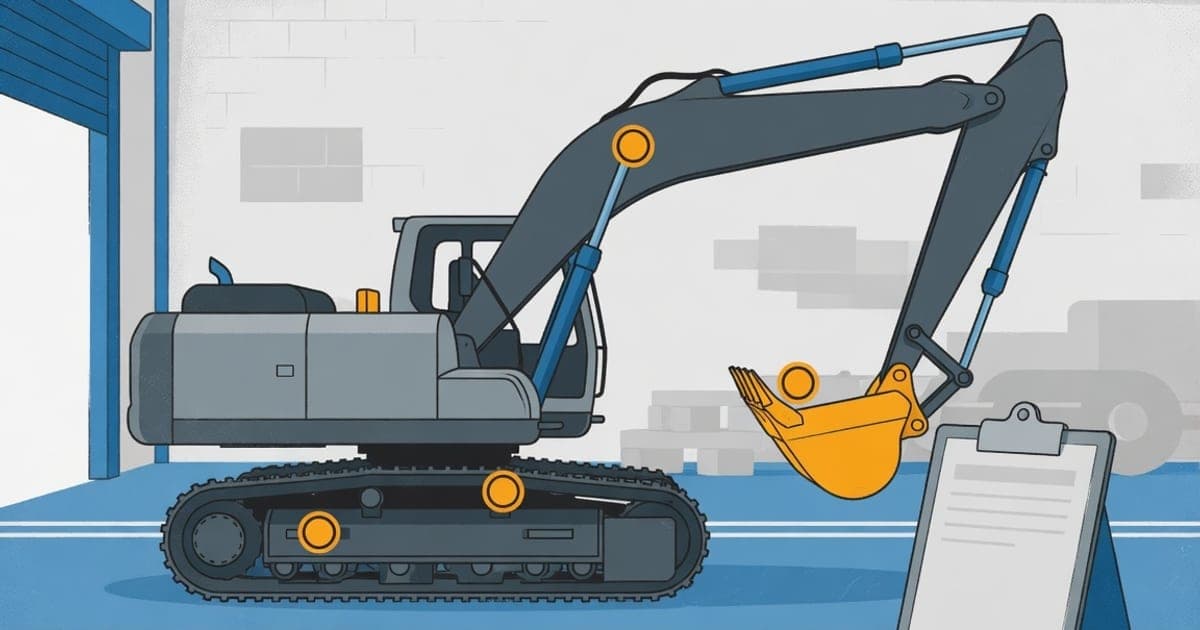
A worthwhile report is specific, measured and photographed, not a page of ticks. For a truck, expect at minimum: identity verification of VIN, plates and stampings against paperwork, which pairs with the register checks in our PPSR guide; ECU fault code history, not just current codes; cold start observation; leak mapping on engine, gearbox, diffs and wet kit; chassis inspection for cracks, repairs and rust; brake, suspension and steering wear; tyre condition by position; and electrical and cab systems. For machinery, add the category-specific items: undercarriage wear measurement on tracked machines, pin and bush wear at every pivot, slew ring play, hydraulic cylinder condition, and pump performance under load, with cycle times against the maker's specification where the inspector has the data.
The word measured is the difference between evidence and impressions: half worn is an opinion, a millimetre reading against factory specification is a fact you can price.
Oil sampling and what it reveals
Oil analysis is the highest information-per-dollar test you can run on a used diesel, and laboratory and manufacturer guidance, the sampling programs run by the major engine and equipment makers and the commercial labs that serve Australian fleets, is built on the same principle: the oil carries a record of what the metal is doing. A sample from engine, and ideally gearbox, diffs and hydraulics, reports wear metals in parts per million, iron, copper, lead, aluminium and friends, pointing at bearings, bushes, gears or liners; silicon, which usually means dust ingress past filtration; sodium and potassium, the classic coolant-in-oil markers; and fuel dilution and soot loading, which speak to injectors and combustion.
One sample is a snapshot, and a machine with a full sampling history is better again, because trends beat single readings. The practical caution: a freshly serviced machine samples clean, so note the hours since the last oil change on the sample paperwork, and treat sample immediately after service as reducing what the test can see, occasionally innocently, occasionally not.
Compression, blow-by and hydraulic testing
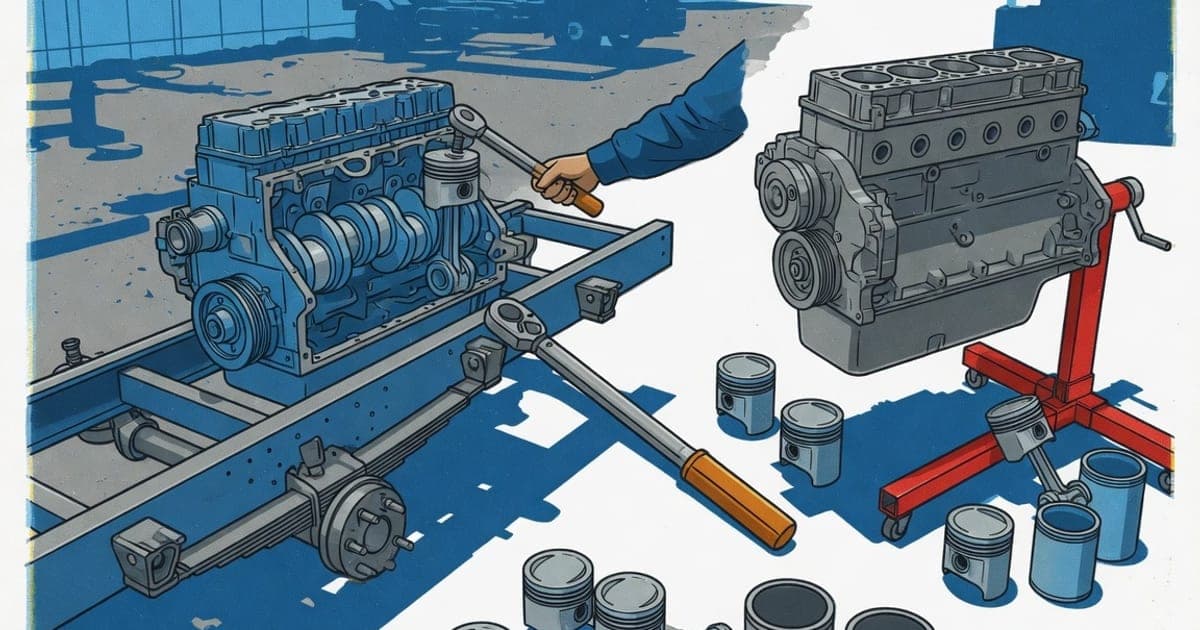
On the engine side, blow-by is the working proxy for bore and ring condition on a big diesel: excessive crankcase pressure at operating temperature is the cheap early warning, and a machine that breathes hard is telling you about its future. Compression or cylinder leakage testing goes deeper when blow-by or smoke raises the question. On machinery, the hydraulic equivalents are pressure testing against specification, cylinder drift under load, and cycle times: a machine that is slow everywhere usually has a tired pump, slow in one function usually a valve or cylinder problem, and drift is reseal work you can price per cylinder. Commission the tests that match the machine's value: blow-by and oil samples on everything serious, full hydraulic testing on high-value earthmoving gear.
Inspecting interstate: remote purchases
For interstate deals, the practical substitute for attending is a paid independent inspection plus a live video walkaround you direct yourself: serial plates, cold start, every function worked, a slow lap of the machine, with today's date proven on camera. Independent is the load-bearing word, the inspector works for you, is paid by you, and is not the seller's mate or nominated contact, which is also one of the fraud filters covered in our machinery scams guide. The wider discipline of buying from a distance, freight, timing, settlement, is covered in the regional buying guide.
What an inspection costs and what it saves
We have not run a national price scan of inspection providers for this post, so no dollar range is being quoted, and you should treat any published flat figure as indicative at best because pricing moves with location, machine type and depth of testing, travel on remote jobs, and lab fees for sampling. The honest framing is relative: a full independent inspection with oil analysis on a six-figure machine costs a fraction of one per cent of the purchase price, less than one month's depreciation, and the downside it protects against is measured in tens of thousands. Get two written quotes specifying exactly what will be tested, and note that a pre-purchase inspection is a commercial service and not the same thing as a statutory roadworthy or heavy vehicle inspection, which is a state requirement at transfer or periodically in some jurisdictions, run under your state road authority's rules; the two answer different questions, and the rules for the statutory one vary by state, so check yours.
Using the report to negotiate
An inspection report converts haggling into arithmetic. Sort the findings into three buckets: safety and structural items, which are either fixed before sale or reasons to walk; wear items with priceable remedies, brakes, tyres, pins, a reseal, which come off the price at quoted rates; and cosmetic noise, which you concede cheerfully to keep the conversation credible. Present the seller with the report and the quotes rather than a feeling, and most genuine sellers meet you somewhere sensible, because they know the next serious buyer will find the same items. If the seller dismisses documented findings outright, that is information too.
Buy with the report, not despite it: browse current listings with inspection money already in the budget, and if you are selling, consider commissioning your own report and sampling up front, then list the machine with them attached; verified condition is the strongest signal a serious seller can send, and it filters your enquiries down to buyers who transact.
Checked on 6 August 2026. Statutory inspection requirements at transfer vary by state and change; confirm with your state road authority before relying on this.