What Does a Used Excavator Cost in Australia? Real Prices by Size and Hours
6 min read
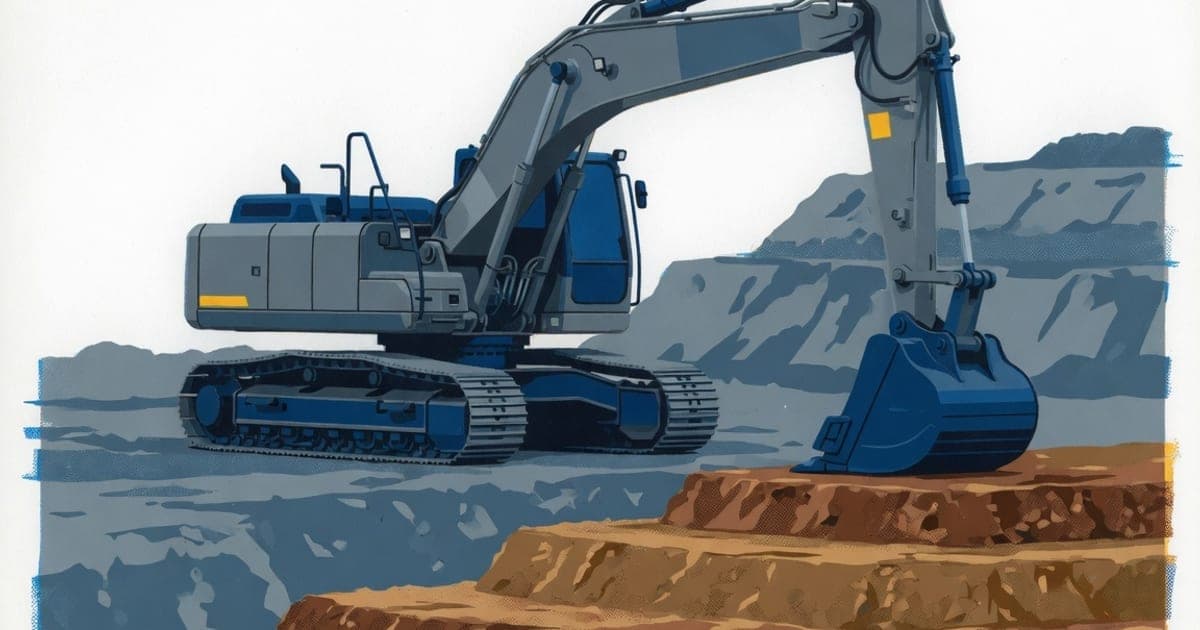
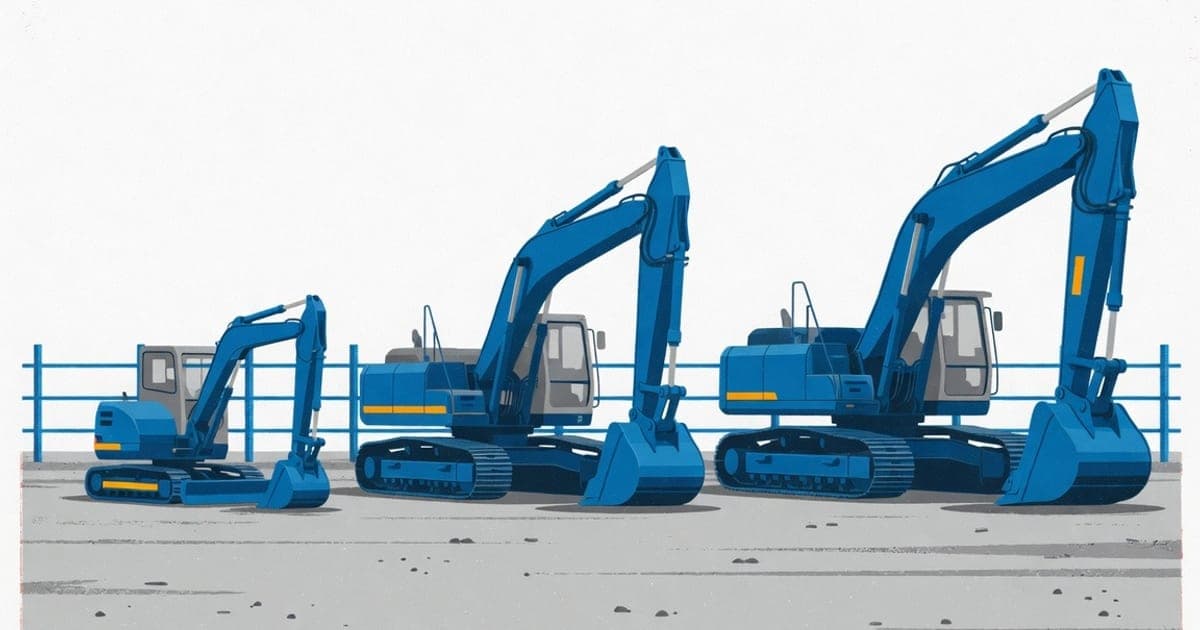
Used excavators in Australia advertise from under $20,000 for a worked mini to beyond $250,000 for late-model 20 tonne machines, and hours, undercarriage and history move a machine further inside its class than age does. Based on asking prices visible on machines4u.com.au, constructionsales.com.au, machinerytrader.com.au and Gumtree in early August 2026, mini machines up to about 2 tonnes mostly ask between $15,000 and $45,000, the 3 tonne class between roughly $25,000 and $60,000, the 5 tonne class between about $35,000 and $90,000, 8 to 14 tonne machines between roughly $60,000 and $160,000, and 20 tonne machines from around $80,000 to $250,000 and up. Machinery is very commonly listed plus GST, so confirm the treatment on every price before you compare two machines. Those bands are the map; the rest of this post is about where a machine sits inside them.
The short answer: bands by operating weight
| Class | Typical asking range (confirm GST) | What the class is for |
|---|---|---|
| Mini, up to about 2t | Roughly $15,000 to $45,000 | Backyards, trenching, tight access, trailer towable |
| 3t | Roughly $25,000 to $60,000 | The serious end of residential and landscaping |
| 5t | Roughly $35,000 to $90,000 | The most traded class in the country, all-round site work |
| 8 to 14t | Roughly $60,000 to $160,000 | Civil, drainage, larger residential and rural |
| 20t and up | Roughly $80,000 to $250,000 plus | Bulk earthworks, subdivision, quarry support |
Two cautions on the bands. New grey-import minis advertise startlingly cheap and pull the whole small end of the market down; the catch is parts and support, so price any unfamiliar badge with its backup, not against a Kubota's sticker. And there is no reliable per-tonne pricing rule across classes, so resist the arithmetic; each class has its own market. If you are still deciding which class the work needs, the excavator size guide starts from the job rather than the machine.
Mini and 1 to 3 tonne machines
The small end trades on convenience: towable behind a ute, through a gate, hired out easily. Prices hold because demand is broad and private, and because the hire industry keeps absorbing stock. The buying risks are equally characteristic: home-maintained machines, cosmetic tidy-ups over mechanical neglect, and hour meters that have been replaced or disconnected somewhere in a machine's life, which is why condition evidence beats the meter reading. Attachments included in the ad (buckets, rippers, augers) carry real value at this size; price them separately rather than letting them blur the machine's own price.
The 5 tonne class: the most traded size in Australia
The 5 tonne class dominates listings because it balances transportable weight, real dig depth and site access, and its resale liquidity is the best in the market: a fairly priced, well-documented 5 tonner sells quickly in any state. Deep supply also means the class carries the widest quality spread, from pampered owner-operator machines to hire fleet survivors, so the inspection discipline matters more here, not less. The full field process, from serial plate to test dig, is laid out in the used excavator inspection checklist.
8 to 14 tonne and the 20 tonne class
From 8 tonnes up, buyers are professionals and the market prices accordingly: service records, undercarriage measurements and hitch spec do the talking, and machines without documentation take a visible discount. Transport becomes part of the ownership sum too, because these classes need a proper float and, at the top end, moving them can involve mass or dimension considerations under the NHVR's access rules, so budget the logistics of every machine move, not just the purchase. At 20 tonnes, attachments and hitch systems are serious money in their own right, and a machine's value can swing meaningfully on whether the hitch, buckets and any hammer are included, current and compatible.
What moves price within a class
Five things separate the cheap end of a band from the dear end, and they compound:
- Hours, read honestly. Hours matter more than age on machinery, but only when the meter is credible: meters get replaced and machines get idle-heavy lives, so cross-check hours against wear evidence and service records.
- Undercarriage percentage. Chains, rollers, idlers and sprockets are the largest single hidden cost on a tracked machine, and a machine at 20 percent undercarriage is a different purchase from the same machine at 80 percent. How wear is measured and what replacement runs to is covered in the undercarriage wear and cost guide; read it before you believe any listing's percentage.
- Hitch and attachments. A modern quick hitch and a set of usable buckets add real, itemisable value; price the machine bare, then the attachments, then the total.
- History and paperwork. Service records, one identifiable owner or fleet, and a serial plate that matches the paperwork. Run a PPSR search on the serial number at ppsr.gov.au for a couple of dollars, because machinery carries finance as often as trucks do, an encumbered machine can be repossessed even after you have paid in full, and plant is searched by serial or identification number rather than a VIN; the differences are explained in the PPSR guide for trucks and machinery.
- Where it worked. Coastal, quarry and demolition lives leave signatures: corrosion, abrasion-worn buckets and pins, and structural repairs. The same hours age machines very differently in sand, clay and rock.
Ex-mine, ex-hire and ex-council machines
Fleet-exit machines are the used market's main supply and each stream has a personality. Ex-hire machines are serviced on schedule and operated by everyone; expect cosmetic abuse, check pins, bushes and controls hard, and value the service printout. Ex-council machines are often low-houred and well-kept with genuine books. Ex-mine machines carry big hours done under real maintenance regimes, and their price reflects the hours more than the care; they suit buyers who understand component life rather than buyers shopping the meter. In every stream, the records are the asset, and a fleet machine without them has lost its advantage.
Auction prices versus private sale versus dealer
Auctions set the floor: no warranty, no recourse, sold as inspected, and the discipline of a bidding limit against a machine you have physically checked. Dealers set the ceiling and sell recourse, tidy-ups and sometimes a warranty with it. Private sales sit between, and they are where preparation pays: sellers with records and weigh tickets get near-dealer money, and buyers with inspection skills get near-auction prices on machines the market overlooked. Whichever channel, the asking bands at the top of this post are asking prices; settled prices sit under them, further under at auction.
Budgeting for what you are inheriting
Price every candidate as machine plus catch-up: the undercarriage percentage converted to dollars, the next major services, any hydraulic weeps that will become jobs, transport to your yard, and the attachments you still need. On older machines that sum routinely rivals the price gap to a better machine, which is the real answer to most bargains. When you have a class and a budget, browse the current excavators and earthmoving listings and compare asking prices against hours and undercarriage claims with the checklist open. And if you have a machine sitting idle between jobs, list it free with the hours, serial number, service history and undercarriage percentage stated plainly, because those four lines are what every serious excavator buyer scans for first.
Price observations describe asking prices on machines4u.com.au, constructionsales.com.au, machinerytrader.com.au and Gumtree in early August 2026, commonly quoted plus GST; confirm treatment on each listing. PPSR details per ppsr.gov.au. Machinery transport can involve NHVR access requirements; check nhvr.gov.au before moving oversize or heavy plant.