Buying a Used Prime Mover: The Inspection Checklist That Saves You $30,000
9 min read
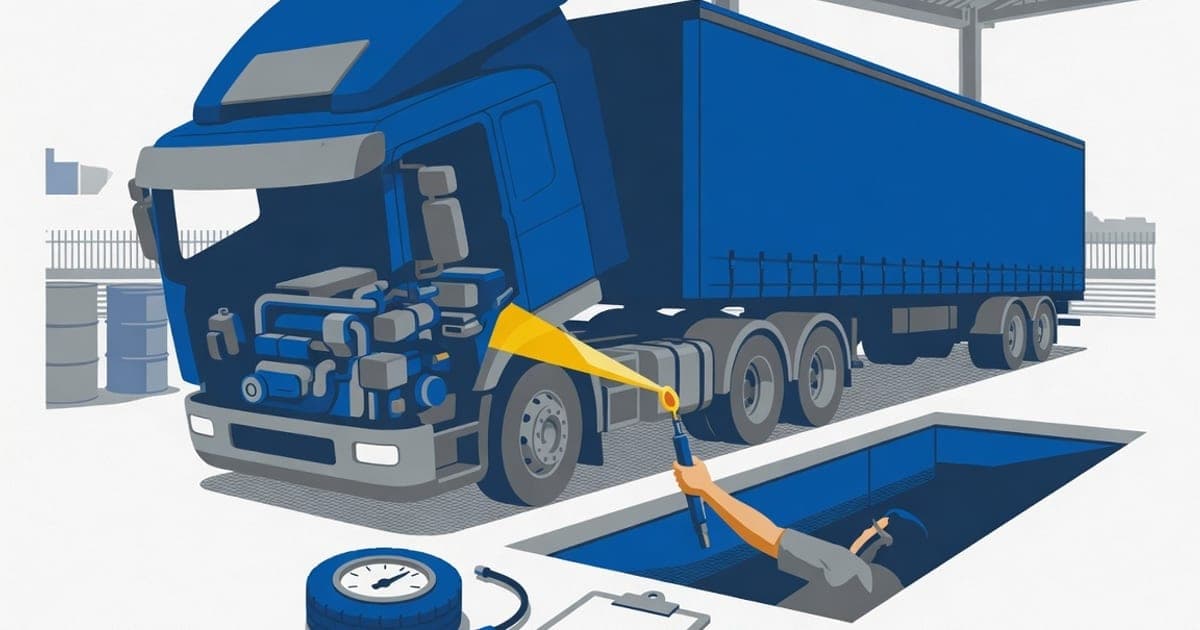
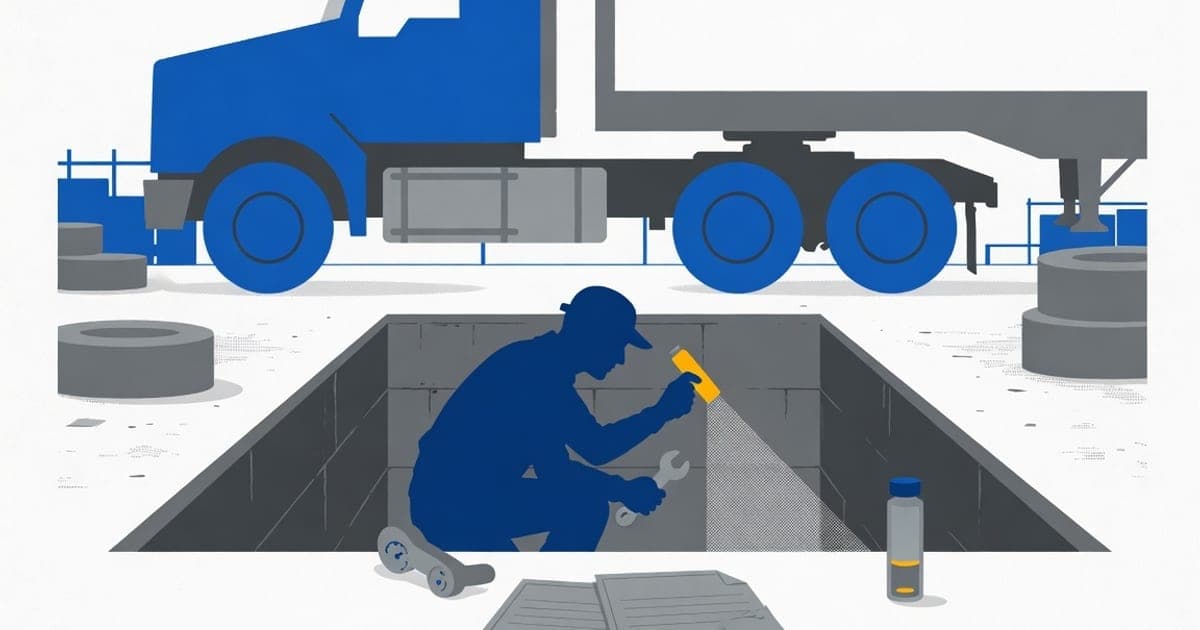
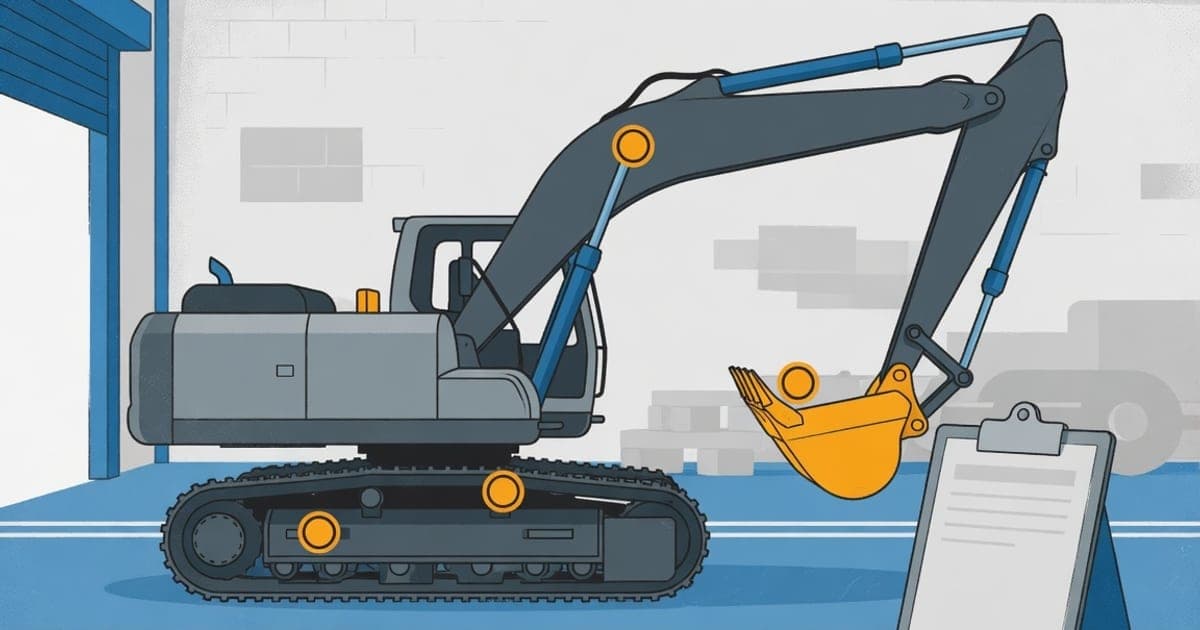
Most of the money lost on used prime movers is lost before the engine is ever started, on trucks bought without a PPSR certificate, without an emissions fault history, and without anyone lying under the chassis with a torch. A careful inspection takes half a day, costs almost nothing if you do it yourself, and routinely turns up five-figure problems: a straightened rail, a gearbox on the way out, a DPF full of ash, a fifth wheel past its wear limit. This checklist runs through the paperwork, chassis, engine, emissions gear, driveline, fifth wheel and cab in the order that wastes the least of your time, with the walk-away triggers stated plainly. Use it on every truck, including the one a mate vouches for.
Before you drive out: the paperwork checks
Do these from your desk, because they can kill the deal before you burn a day travelling.
Start with a PPSR search at ppsr.gov.au. It costs a couple of dollars, runs on the VIN, and tells you whether there is money owing against the truck, whether it has been recorded as written off, and whether it is recorded as stolen. This matters because an encumbered truck can be repossessed by the financier even after you have paid the seller in full. How to run the search and read the certificate is covered in the PPSR guide for trucks and machinery; do not hand over a deposit without one.
Then check the identity of the truck itself. The VIN on the registration papers, the compliance or identification plate and the stamping on the chassis should all agree. If the truck was imported or complied outside the normal volume process, ask for the full compliance story and read up on how ADR compliance works for used and imported trucks before you commit, because a truck with a compliance problem is a truck you may not be able to register.
Ask for the service history before you inspect, not after. A folder of dated invoices from identifiable workshops, engine hours as well as kilometres, and oil sample results if the seller has them. A seller who cannot produce hours for a truck that has spent its life on PTO or metro idle work is asking you to buy unknown engine wear.
Finally, confirm who you are paying. The name on the registration, the name on the tax invoice and the bank account you are asked to pay should line up, and the invoice should state the GST treatment. If anything about the payment arrangements feels rushed or odd, read the marketplace safety guidance before money moves. Whether the truck needs an inspection or roadworthy certificate to transfer registration depends on the state; check the rules with your own road authority (Transport for NSW, VicRoads, TMR in Queensland, DIT in South Australia, Main Roads WA and their counterparts) rather than assuming one national process.
Chassis and rails: what a straightened rail means
Sight down both chassis rails from the rear. They should be straight, parallel and boringly original. Look for fresh paint over a small area, heat discolouration, welding on the rail flanges, fish plates, or a run of new bolts where everything else is old. Around the steering box, engine mounts, spring hangers and fifth wheel mounts, look for cracks radiating from bolt holes.
A straightened or repaired rail means the truck has had a serious event. That is not automatically fatal, but it must come with an honest story and engineering sign-off, and it must come off the price. A cracked rail with no story is a walk-away, because you are looking at the one structural component that everything else bolts to.
Engine: cold start, blow-by and the oil
Arrive early enough to see a genuinely cold start. A seller who has the truck idling when you arrive has already answered one question. Watch the smoke on start-up and note how long it takes to clear; listen for knocks that fade as oil pressure comes up; watch the oil pressure gauge itself.
With the engine warm, check blow-by at the breather. A little vapour is normal on a high-kilometre engine; a steady pulsing column of smoke is a ring and liner conversation. Pull the dipstick and look at the oil level and condition, check the coolant for oil and the oil filler for coolant emulsion, and look for leaks at the rear main, turbo drain and around the heads. None of these checks costs anything, and together they tell you where the engine sits in its life. Before you convince yourself a tired engine is a bargaining chip, read what a rebuild actually costs in Australia, because the number is bigger than most buyers budget.
If the truck passes the eyeball test and you are serious, an oil sample sent to a lab is cheap insurance on a six-figure purchase.
Emissions gear: the fault history nobody volunteers
On any emissions-era truck, the DPF and SCR system can swing the deal by more than the tyres, brakes and clutch combined. Ask directly: has the truck ever derated, when was the DPF last cleaned or replaced, have NOx sensors or the AdBlue pump been replaced, and can you see the fault history on a diagnostic scan. A seller who will not let you or your mechanic plug in a scan tool is telling you something. The failure patterns, symptoms and costs are covered in AdBlue and SCR faults on Australian trucks.
Be equally direct about tampering. A truck that has had its DPF gutted or its AdBlue system emulated is unlawful to operate on the road: tampering with emissions controls breaches the Heavy Vehicle National Law and state environment protection legislation, and the truck can be defected and grounded until it is put right. Walk away, or price the full cost of putting the system back to standard, because that cost transfers to you at the moment you buy.
Driveline: clutch, gearbox, diffs and the road test
Drive the truck, ideally loaded or at least hooked to a trailer. On a manual, feel for clutch slip under load, listen to the clutch brake, and work through the box for gears that bauk or jump out. On an automated manual, watch how it takes up drive from rest, feel for shunt in traffic, and ask when the clutch was last replaced and whether the transmission has current software. On the road, listen for diff whine on drive and overrun, clunks from universal joints and the centre bearing on take-up, and vibration that changes with speed rather than revs.
Underneath, check for leaks at the gearbox, diffs and hub seals, movement in the tailshaft slip joint, and heat marks on the diff housings after the drive. On a bogie drive truck, confirm the power divider engages and disengages properly. Driveline repairs are individually smaller than an engine, but they stack, and they are your negotiation list.
Fifth wheel, suspension, brakes and tyres
The fifth wheel is a wear item buyers routinely ignore. Check the jaws and throat for wear and slop, ideally with a test pin or a trailer connected, look for cracks around the mounting plate and bolts, and check the skid plate for deep scoring. Rebuild kits exist for a reason; a worn fifth wheel is a legitimate price adjustment and a real safety item.
On suspension, look for perished or chafed airbags, leaking shock absorbers, cracked spring leaves, worn bushes and a truck that sits level and returns to height quickly after a drive. With the tanks full and the engine off, listen for air leaks with the brakes released and again with them applied. Check drum or rotor condition and lining thickness where visible, and look at the service records for brake work rather than taking "just done" on trust.
Tyres tell stories. Uneven wear across the steers points at alignment or worn steering components; scalloped drive tyres point at shock absorbers; a mixed bag of brands and ages tells you how the truck was run. Price a full set into your offer if what is fitted is marginal, and remember tyres are one of several items that make the drive-away cost very different from the advertised price, as covered in what a used prime mover really costs.
Cab, electrics and the small stuff that adds up
Rock the cab on its mounts and watch for collapsed cab suspension. Look for rust in the floor, around the windscreen and in the door bottoms, water staining under the dash and in the sleeper, and the general condition of seat, trim and bunk. Turn the key and confirm every warning lamp lights and then goes out; a globe removed from a warning circuit is an old trick. Test the air conditioning properly, because on a linehaul truck it is not a comfort item, and check for hacked wiring from decades of accessories. None of this is individually expensive, but a cab full of small neglect usually rides on a chassis full of it.
The quick reference table
| Area | Quick check | Walk away when |
|---|---|---|
| Paperwork | PPSR on the VIN, plates and stamping match, hours plus kilometres, GST stated on the invoice | Encumbrance the seller cannot clear at settlement, mismatched VIN, no verifiable history |
| Chassis | Sight down the rails, look for welds, plates, fresh paint, cracks at mounts | Cracked or repaired rails with no documentation |
| Engine | Cold start, blow-by, oil and coolant condition, scan for fault history | Heavy blow-by plus coolant in oil, or a seller who refuses a scan |
| Emissions | DPF and SCR service history, derate history, tamper check | Gutted DPF or emulated AdBlue system, unless fully priced to reinstate |
| Driveline | Loaded road test, leaks, UJs, power divider | Gearbox jumping out of gear, diff knock under load |
| Fifth wheel and brakes | Jaw wear, mounting cracks, air leak-down, linings | Cracked mounting plate, brakes with no history and no meat |
| Cab | Mounts, rust, warning lamps, wiring | Structural rust or airbag lamps that never light |
When to pay for a professional inspection instead
Pay a professional when the truck is interstate, when the money is serious, or when you know your own limits. A heavy vehicle mechanic doing pre-purchase work will put the truck over a pit or under a hoist, scan it properly, and give you a written report you can negotiate with, and on a six-figure truck that fee is noise. What a formal inspection covers, what it costs and how to commission one is laid out in the pre-purchase inspection guide.
Then buy with your eyes open. Browse the current prime movers listed for sale with this checklist beside you, and if the inspection talks you out of one truck, it has done its job. Sellers benefit from the same list: photograph your service records, state hours and kilometres plainly, and list the truck free, because the listing that answers the checklist up front is the one serious buyers ring first.
PPSR details per ppsr.gov.au. Registration transfer and inspection requirements vary by state; confirm them with your road authority. Checked August 2026.