Skid Steer, Posi Track or Mini Loader? Picking the Right Compact Machine
7 min read
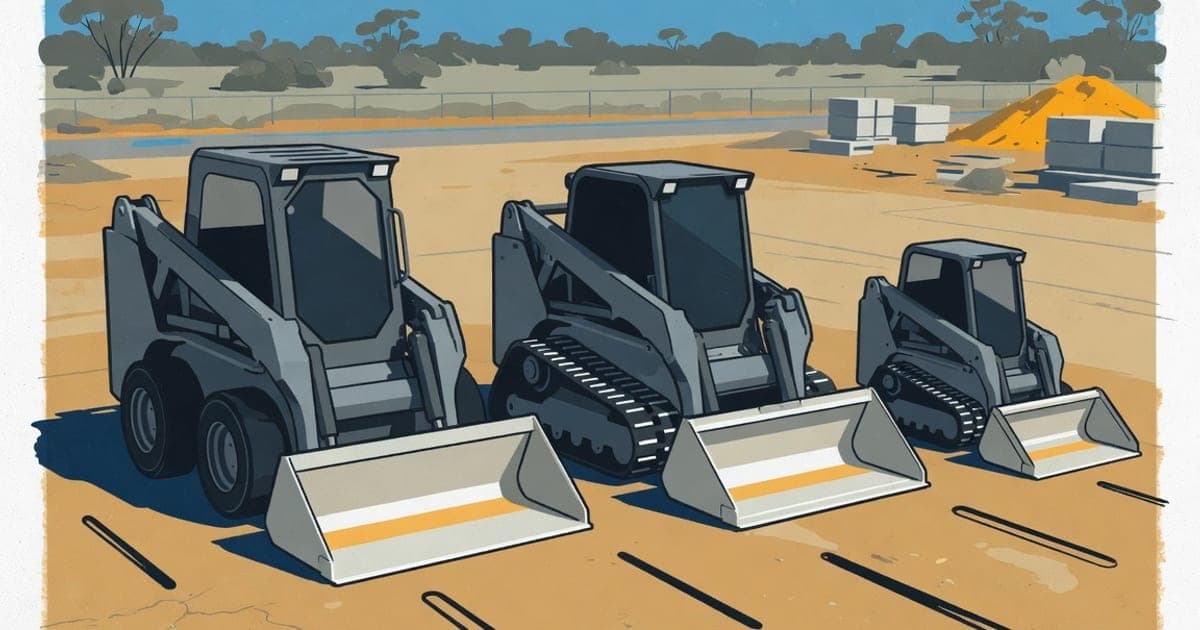
A wheeled skid steer, a compact track loader (the machine most Australians call a Posi Track, after the ASV trade name) and a stand-behind mini loader in the Dingo and Kanga mould all push dirt with an attachment on the front, and that is where the similarity ends. The honest split: the mini loader wins on access and towability, the wheeled skid steer wins on purchase price and cheap consumables on hard ground, and the tracked loader wins on soft ground, finished surfaces and resale, and charges you for it through the undercarriage. Pick by ground conditions and access first, running cost second, and badge last.
Three machines that look similar and are not
The wheeled skid steer is the original: rigid chassis, four wheels, steered by driving each side at different speeds, which is why it turns by skidding. It is the cheapest way into the class, mechanically simple, and at its best on hard standing: concrete, gravel, compacted yards.
The compact track loader is the same idea on dedicated rubber tracks and an undercarriage of rollers and idlers. ASV's Posi Track name stuck to the whole category in Australia the way Esky stuck to coolers. Tracks transform the machine on soft, wet or sensitive ground, and they add a wear system the wheeled machine simply does not have.
The mini loader is the Australian speciality: a stand-behind or ride-on platform machine from brands like Dingo, Kanga, Toro and Vermeer, small enough to tow behind a ute and walk through a gate. It is not a small skid steer; it is a different tool for tight-access landscaping, fencing and light utility work, usually hired with a trailer full of attachments.
Wheels versus tracks: ground pressure, traction and surface damage
Tracks spread the machine's weight over a much larger contact area, so ground pressure drops sharply against a comparable wheeled machine. That is the whole argument in one line. On wet clay, sand, mud or fresh fill, the tracked machine keeps working days the wheeled machine spends bogged or churning. On finished lawns and soft landscaping, the tracked machine leaves marks where the wheeled machine leaves ruts.
The wheeled machine bites back on hard ground. Tyres on concrete and rock are cheap, grippy and fast, while rubber tracks on abrasive hard standing wear quickly and cut easily on demolition rubble and rebar. And no compact machine in this class is gentle when it turns: skid steering scrubs, and a tight turn on turf tears it regardless of what the machine runs on. Operators who care about surfaces turn in three-point patterns, tracked or not.
Running cost: tyres versus rubber tracks and undercarriage
This is the difference buyers feel for years. A wheeled machine's ground consumables are four tyres. A tracked machine's are two rubber tracks plus the undercarriage underneath them: rollers, idlers, sprockets and tensioners, the same wear system excavators carry, described in detail in our excavator undercarriage guide. The components are smaller and cheaper than an excavator's, but they exist, they wear, and they belong in your sums.
On advertised prices from Australian online track and tyre suppliers in early August 2026, solid or heavy-duty skid steer tyres list at a few hundred dollars a corner, while rubber tracks for common compact track loaders list from under $1,000 to a few thousand dollars each depending on size and brand, almost always plus GST. Treat those as orientation, not a quote: prices move with rubber, freight and machine size, so price your specific track size before you buy the machine. On a used tracked machine, track and undercarriage condition is a negotiation item exactly as it is on an excavator: a machine needing tracks soon is asking you to fund them.
Lift capacity, breakout and rated operating capacity explained
The number on the brochure needs decoding. Rated operating capacity (ROC) is a deliberately derated figure, not the load that tips the machine. Manufacturers measure a tipping load, then publish ROC as a set share of it under the relevant ISO test method: conventionally half the tipping load for wheeled skid steers, and a lower share, commonly 35 percent, for tracked loaders, a convention Bobcat, Caterpillar and ASV all state in their specification literature. Confirm the basis on the spec sheet of the machine you are pricing rather than assuming, because it is a convention, not a law of physics.
Two consequences. First, a tracked loader and wheeled skid steer with the same ROC are not the same machine at the tipping point; the ratings were derived differently. Second, ROC assumes a standard bucket at carry height. Long attachments, forks and loaded pallets move the load centre forward and reduce what the machine can safely handle, which is why forks come with their own load charts. Breakout force, quoted separately, describes digging aggression rather than carrying ability. Match ROC to the heaviest thing you genuinely need to lift, with margin, and stop paying for capacity you will not use.
Attachments and hydraulic flow: standard versus high flow
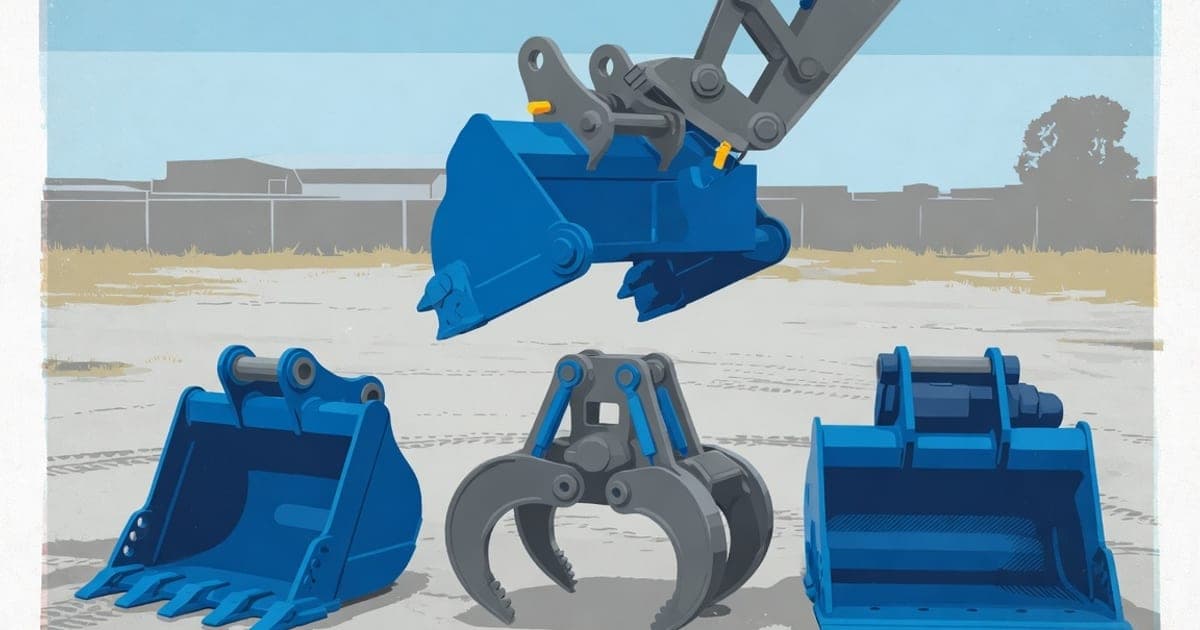
The universal skid steer carrier plate is the best thing about this class: buckets, forks, augers, levellers and grabs interchange across brands, and mini loaders run their own smaller carrier patterns with the same logic. The trap is hydraulics. Every machine has a standard auxiliary circuit; hammers, mulchers, profilers and trenchers frequently demand a high flow circuit that only some machines carry. A high flow attachment on a standard flow machine will not do its job, and the mismatch is invisible in the yard and obvious on site. Flow and pressure matching, carrier patterns and the questions to ask before buying any used attachment are covered in will that bucket fit, our attachment compatibility guide; the short version is to buy the machine for the attachments you actually plan to run, because retrofitting high flow rarely makes sense.
Brands in the Australian market
Bobcat effectively named the wheeled category and remains everywhere, with Caterpillar, Case, JCB and New Holland all trading strongly. On tracks, ASV's Posi Track heritage and Kubota's SVL series have large followings, alongside Bobcat and Caterpillar again. In mini loaders, Dingo and Kanga are the local names with the deepest attachment ecosystems, with Toro and Vermeer competing hard. Dealer and parts backup in your region matters more than the badge: a cheap machine two states from its nearest parts shelf is not cheap.
Transport and licensing
The mini loader is the transport winner: machine plus trailer can sit within a ute's towing capacity, though you should run the actual numbers on your combination, because trailer, machine, attachments and the ute's payload interact, and your state road authority publishes the towing rules. Wheeled skid steers and compact track loaders typically travel on a plant trailer behind a light truck, and once machine and trailer grow, the combination can cross into heavy vehicle territory with the licence and mass rules that follow.
On operator tickets: most compact loader operation no longer sits under a national high risk work licence class, but that does not make it a free-for-all. Work health and safety law puts a duty on businesses to ensure operators are trained and competent, and requirements are set state by state by the WHS regulator (SafeWork NSW, WorkSafe Victoria, WorkSafe Queensland's arrangements under its Office of Industrial Relations, SafeWork SA, WorkSafe WA and their counterparts). Sites and principal contractors commonly demand documented competency regardless. Ask your state regulator what applies to the machine and the task rather than assuming a national rule.
Which one for which job
| Your situation | Buy this | Because |
|---|---|---|
| Tight-access landscaping, fencing, backyard jobs, towing behind a ute | Mini loader | Fits the gate, tows legally, attachment ecosystem built for the work |
| Hard standing, yards, concrete, demolition slabs, tight budget | Wheeled skid steer | Cheapest purchase and consumables where tracks add nothing |
| Wet sites, sand, fresh fill, turf and finished surfaces, year-round earthworks | Compact track loader | Works when wheels bog, sells well later, undercarriage cost is the price |
| One machine to do a bit of everything | Compact track loader, bought with eyes open | The compromise most buyers land on; budget the tracks |
Resale follows the same logic. Tracked machines have the broadest second-hand demand in most of Australia and hold money accordingly, provided the undercarriage is healthy; a wheeled machine is easier to buy well because the market is cooler; mini loaders trade briskly to landscapers and hire yards when sold with attachments.
What to do next
Decide ground conditions and access first, shortlist the class, then compare real machines: current stock across all three types is in the earthmoving and construction listings, and if your budget conversation includes a forklift for the yard as well, read what a used forklift costs before you assume the loader can do both jobs with forks. If this comparison tells you the machine in your shed is the wrong type, list it free with the hours, track or tyre condition and included attachments stated plainly, because those are the three questions every buyer in this class asks first.
Track and tyre price observations describe advertised prices on Australian online suppliers in early August 2026, plus GST; price your specific sizes on the day you buy.