Buying a Used Crane Truck in Australia: HIAB Ratings, Inspection and What They Cost
6 min read
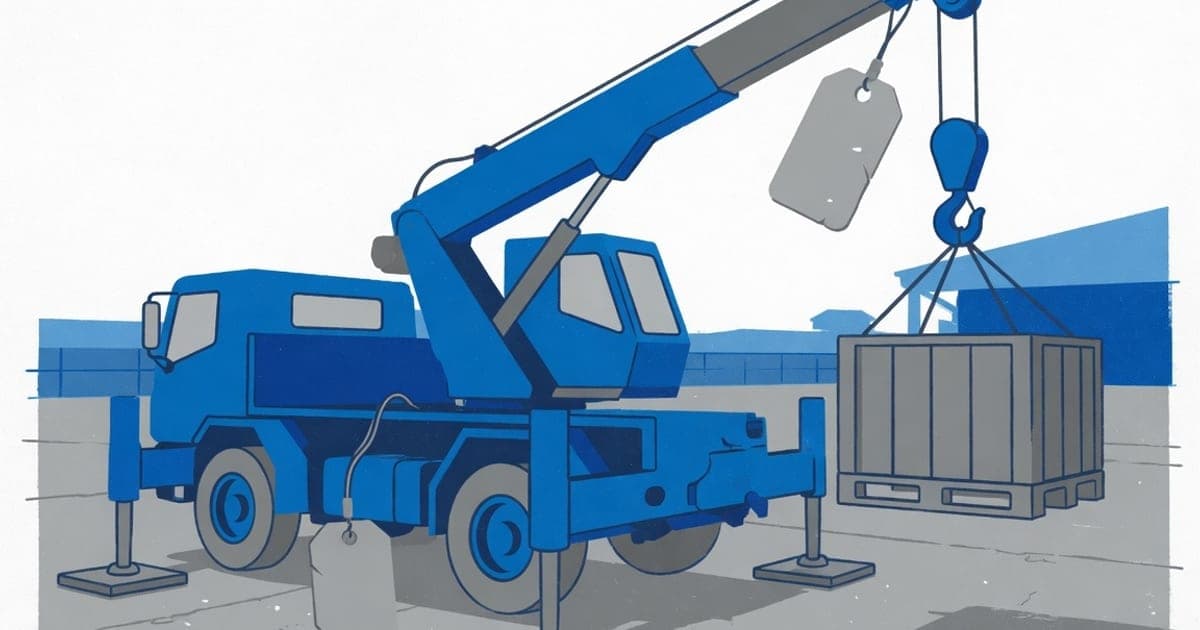
On a used crane truck, the crane sets the price, the paperwork sets the risk, and the tare weight sets what the truck can actually earn. Asking prices on trucksales.com.au and machines4u.com.au in early August 2026 run from roughly $50,000 to $130,000 for tidy older units with modest cranes, through to $200,000 and well beyond $350,000 for late-model trucks carrying big-capacity cranes, almost always quoted plus GST. Two trucks that look identical in photos can be $80,000 apart because of the crane's capacity, age, service history and certification records, so this guide spends its time where the money is: reading the lift chart properly, inspecting the crane itself, and demanding the records that prove it has been maintained and inspected as work health and safety law expects.
What a crane truck is worth and why the crane sets the price
A crane truck is three assets: a cab chassis, a body, and a vehicle loading crane that can be worth as much as the truck under it. The crane's capacity class is the biggest single price input, followed by its hour meter and history, then remote controls, extensions and stabiliser spec. The truck's kilometres matter less here than in any other class, because plenty of crane trucks live short-radius lives while the crane does the real work. Price the crane first, then the truck, and be suspicious of any listing that talks only about the truck.
Reading a lift chart: tonne-metres, not tonnes
Vehicle loading cranes are rated in tonne-metres, and misreading that unit is the most expensive mistake in this market. A tonne-metre rating describes a moment, not a weight: capacity multiplied by reach. A crane described as a 10 tonne-metre unit can lift roughly a tonne at ten metres of reach, more up close, and nowhere near ten tonnes at full extension. The specific numbers live on the crane's load chart, which derates step by step as each boom extension comes out, and the chart on the crane is the only authority worth trusting.
So define your real job before you shop: the heaviest load you must lift, at the furthest reach you must place it. Buyers who shop on the headline number buy cranes that cannot do their actual work, and they discover it on a job site with the customer watching.
Brands you will meet in the Australian market
HIAB is genericised in Australia the way Esky is, but the market includes Palfinger, Fassi, Effer, PM and others, and plenty of good used units wear each badge. The brand question that matters is not league-table reliability, which nobody has independent Australian data on, but support: which brands have a service agent with parts and technicians within reach of your work. A crane that waits three weeks for a valve block is a truck off the road. Ask local crane service shops what they see most of and support best before you commit to a badge.
Inspection: rams, hoses, slew, hooks, chains and the boom
Inspect the crane working, not parked. Run it through full slew both directions, full extension and full stabiliser deployment, under a test load if the seller will allow it.
- Cylinder rams: look for scoring, pitting or chrome damage on every visible rod, and for creep, a boom or stabiliser that slowly drifts down under load. Creep means valves or seals, and on a big crane that is real money.
- Hoses and fittings: perished, chafed or weeping hoses across dozens of metres of plumbing tell you how the crane was maintained.
- Slew ring and mounts: with the boom extended, watch for slop or clunk as slew direction reverses, and inspect the crane base, subframe and chassis mounts for cracked welds and elongated bolt holes. Base and subframe cracks are the structural walk-away.
- Boom wear: check the wear pads and the extension sections for gouging and bend, and every weld for cracking, especially around the knuckle.
- Hooks, chains and rigging: latches must work, and load-rated gear should carry its tags and markings. Untagged rigging goes straight in the bin, and its condition tells you about the seller.
- Controls: test every function from both sides and from the remote if fitted, and confirm the emergency stops actually stop.
The truck under the crane still needs the standard going-over, chassis to driveline; use the full pre-purchase inspection guide for that half of the job.
Certification, registers and the paperwork that must come with it
Cranes are plant under work health and safety law, and the duties around maintaining and inspecting them sit with the state and territory WHS regulators (SafeWork NSW, WorkSafe Victoria, WorkSafe Queensland and their counterparts), with the design and safe use of cranes covered by the AS 1418 and AS 2550 series of Australian Standards. In practice that means a used crane should come with a documented history: service records, periodic inspection reports, and reports from any major inspection or repair carried out by a competent person. Inspection intervals and record-keeping expectations are set out in the standards and your regulator's guidance, so check the current requirements with your own WHS regulator rather than taking a seller's word for what is due.
A crane with no records is not necessarily a bad crane, but it must be priced as one: assume a full inspection by a crane service company before it lifts for you, and make your offer accordingly.
| Paperwork to demand | Why it matters |
|---|---|
| Crane service history with dates and provider names | Proves maintenance happened, and who to call with questions |
| Periodic and major inspection reports | Shows where the crane sits against the inspection cycle your regulator and the standards expect |
| Load charts and operator manual on the crane | Required working documents, and missing ones suggest missing everything else |
| Repair and modification records with sign-off | Welded booms and modified mounts need competent-person paperwork, not mystery welds |
| Truck service records, hours and weighbridge tare | The other half of the purchase |
Make the records a written condition of sale. A seller who resists that condition has answered your question.
How the crane affects tare weight and legal payload
Every kilogram of crane, subframe, stabilisers and toolboxes comes out of payload, and big cranes consume several tonnes of it. That is why crane trucks that look like bargains can be poor earners: the GVM on the plate has not changed, but the usable payload has. Get a weighbridge ticket with the crane fitted and do the sum before you buy, and remember the legal ceiling is the lower of the plate and what the axle groups allow under the NHVR mass rules, which changed on 1 August 2026; the general mass limits guide explains how the group limits work, with the NHVR source linked. A crane truck loaded to look right can still be over on the drive group.
Ex-hire and ex-utility units
Ex-hire and ex-utility crane trucks are worth a look for the same reason ex-fleet anything is: scheduled servicing and paper trails. The trade-off is hard hours from many hands, so lean extra weight on the inspection items above, especially controls, hooks and boom wear, and expect honest cosmetic scruff. The records are the asset; an ex-fleet unit without them has lost its main advantage.
Buying and listing
Shortlist on the load chart, buy on the records, and negotiate on the inspection findings. Browse the current crane trucks and rigid trucks listed for sale and compare tonne-metre ratings against asking prices to build your own map of the market. If you are selling one, list it free and lead with the crane: model, tonne-metre rating, hours, inspection status and the records you hold, plus a photo of the load chart. Buyers in this market pay for proof, and if anything about a deal feels off, the marketplace safety page covers the basics of protecting yourself on payment and inspection.
Price observations describe asking prices on trucksales.com.au and machines4u.com.au in early August 2026, typically quoted plus GST. Crane inspection and record-keeping obligations vary by state; confirm current requirements with your WHS regulator. Mass limits per the NHVR; rules changed 1 August 2026, check nhvr.gov.au.