The Best Used Vans for Tradies in Australia: Payload, Running Costs and What to Avoid
7 min read
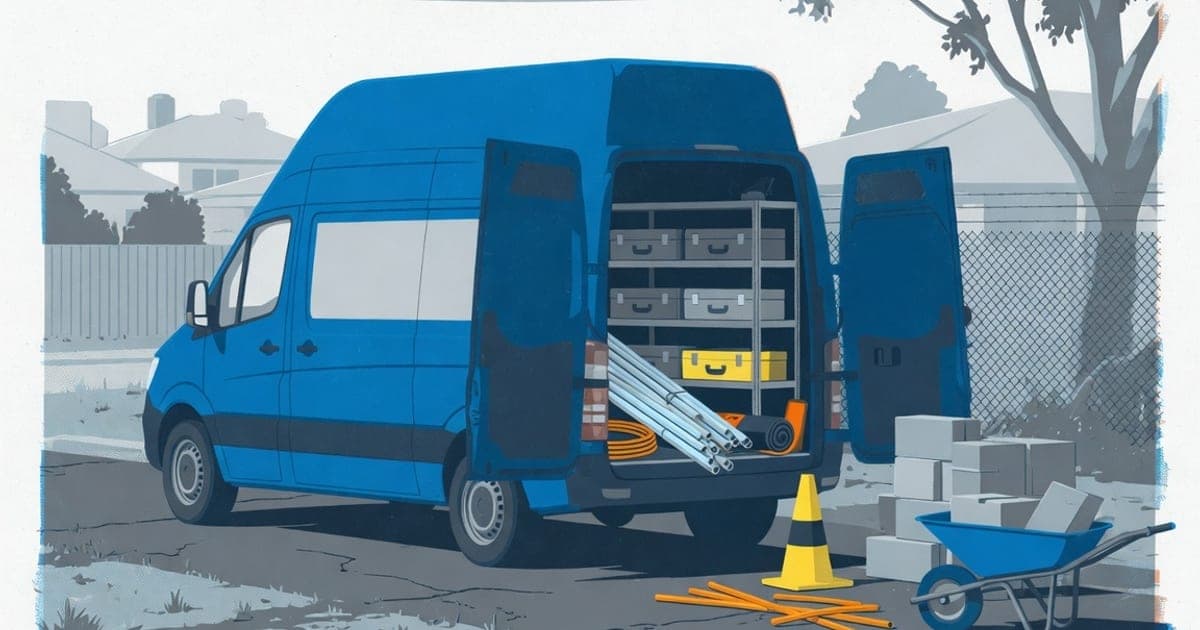
The best used van for a tradie is the one with enough genuine payload left after the fitout, a service network where you live, and a known history, and in Australia that shortlist usually starts with the Toyota HiAce and Ford Transit Custom in the mid-size class and the Mercedes-Benz Sprinter and Ford Transit in the large class, with the Renault, Volkswagen, Peugeot and Fiat alternatives as the value plays. The HiAce holds its money hardest, which makes it dearer to buy and safer to own; the Europeans depreciate faster, which makes them the smart buy when the history is right. What sinks tradies is not badge choice, it is payload: a racked, shelved, loaded van with two people aboard can quietly exceed its GVM, and an overloaded van is an offence under road transport law in every state. Payload first, badge second.
What tradies actually need from a van
Strip the brochure talk and the requirements are short: enough payload for tools, stock and the worst realistic day; a load space that fits your longest and tallest regular items; doors that suit how you load (barn doors for forks and racking, tailgate for weather cover); security good enough for the tools that sleep in it; a dealer or competent independent nearby; and running costs that behave. Rank those for your own trade before you look at a single listing, because a sparky, a plumber and a chippie rank them differently and end up in different vans.
Payload is the number that matters, not load volume
Cubic metres are what van ads sell; kilograms are what vans run out of. Payload is GVM minus the van's real-world weight, and it varies enormously between variants of the same nameplate: wheelbase, roof height, drivetrain and trim can move it by hundreds of kilograms. So never take a payload figure from a review or an ad; take it from the manufacturer specification for the exact variant, and verify against the compliance plate and a weighbridge once the van is fitted out.
As a class generalisation, flagged as exactly that: mid-size vans commonly offer payloads around the one tonne mark, large vans more, but the spread around those marks is wide enough that the specific variant is the only number worth using. If your realistic load is heavier than the variant's payload, stop looking at vans; the section at the end covers when a light truck is the honest answer.
The mid-size field: HiAce, Transit Custom, Vito, Trafic, Expert
The HiAce is the market's default for a reason: resale strength, dealer coverage everywhere, and a reputation for going the distance that the used market prices in. You pay for all three going in. The Transit Custom is the driver's pick of the class and turns over in big fleet numbers, which keeps used supply deep and prices keener. The Vito offers a rear-drive option and a big-van feel in a mid-size body. The Renault Trafic and Peugeot Expert (with its Citroen and Fiat siblings) are consistently the cheapest way into a given age and kilometre bracket, with thinner dealer networks as the trade-off, which matters more the further from a capital you work.
The large field: Sprinter, Transit, Crafter, Master, Ducato
The Sprinter is the benchmark big van, rear-driven, long-lived by reputation, and priced accordingly even used. The full-size Transit is the value workhorse of the class with parts everywhere. The Crafter shares much of its history with the Sprinter era vans and stands on its own in later generations. The Renault Master and Fiat Ducato are the budget entries and dominate the motorhome conversion world, with front-drive layouts that give low, flat load floors. In this class especially, buy the specific van's history rather than the nameplate's reputation: an ex-fleet van with books beats a prettier unknown.
Known problem areas and service costs
Attribute where attribution is due: the recurring themes below come from owner communities and workshops, not from test data, and any individual van can beat or disgrace its badge's average.
- City-driven diesel DPFs, across every brand. Vans that live on short suburban runs block filters and log regeneration faults, and this is the most consistently reported complaint in the class. Ask how and where the van was driven, and ask for evidence of DPF attention.
- Dual-mass flywheels and clutches on higher-kilometre European manuals are a commonly reported and not-cheap service item.
- Injectors and EGR systems on higher-kilometre diesels generally, with owner forums reporting them more often on the European brands than the HiAce.
- Sliding door rollers, locks and wiring looms wear on every van that gets opened two hundred times a week; test every door, every lock, every time.
- Rust on older vans, particularly early Sprinters, is regularly reported; check sills, arches and door bottoms on anything with age.
On service costs, the honest generalisation is that the Japanese van is cheaper to keep in the bush and the Europeans are fine where their dealers and specialists are, which is a postcode question, not a national one.
Fitout, racking and what it does to payload and resale
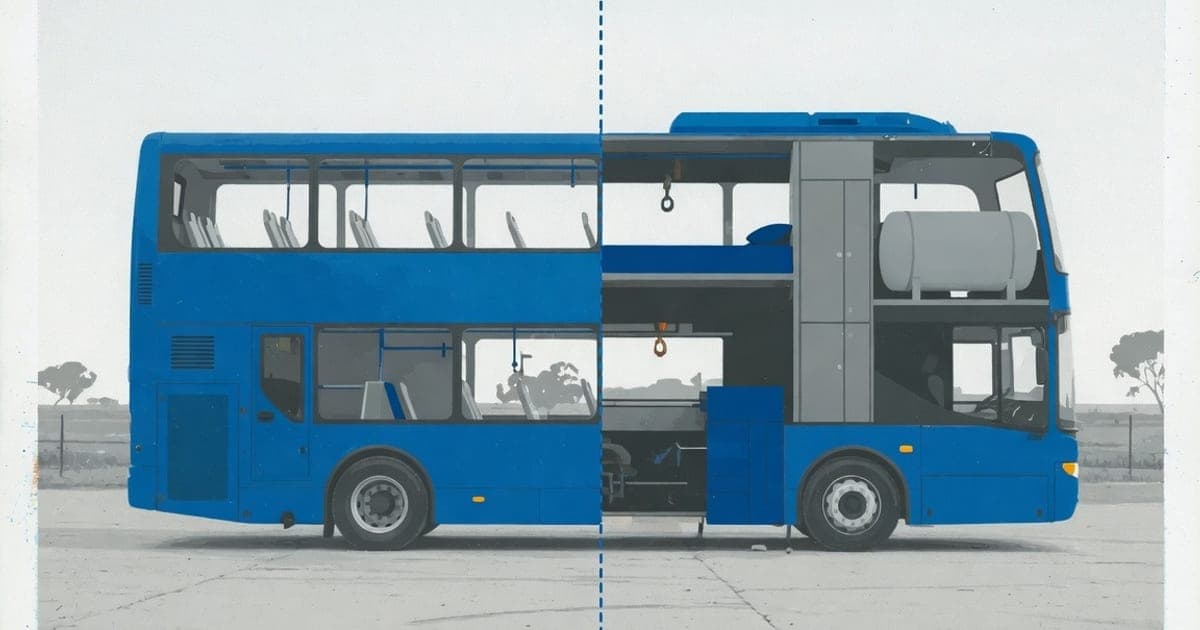
Every shelf, drawer unit, ladder rack, tow bar and compressor comes out of payload, and a serious trade fitout consumes hundreds of kilograms before the first tool goes in. That is how a van ends up over GVM with two people and a normal load aboard, and over GVM is where you sit legally exposed: overloading is an offence under state road transport law, and it is exactly the detail an insurer or investigator weighs after a crash. Put the fitted van over a weighbridge with the usual crew and load and read the number against the plate, and if the sum is tight, read how the 4.5 tonne GVM line works, because heavy-rated variants and light trucks live just the other side of it.
A tidy professional fitout adds resale appeal to the right buyer but rarely returns its cost; a butchered one subtracts from every buyer. Photograph behind the racking before you buy a fitted van, because that is where rust, wiring hacks and panel damage hide.
Used prices and where the value sits
Observed asking prices on carsales.com.au, Gumtree and dealer listings in early August 2026 follow the pattern the class is known for: the HiAce commands the strongest money for its age of anything in the market, the Transit Custom and full-size Transit sit in the middle, and the French and Fiat vans are consistently the cheapest per year and kilometre. Clean mid-life mid-size vans commonly advertise in the $20,000 to $45,000 bracket, with large vans spread wider either side of it; treat those as orientation, not valuation, and check live listings the week you buy. Watch GST on the price: private sales are what they are, but dealer and business sellers commonly quote plus GST, and it changes the comparison.
When you should be buying a light truck instead
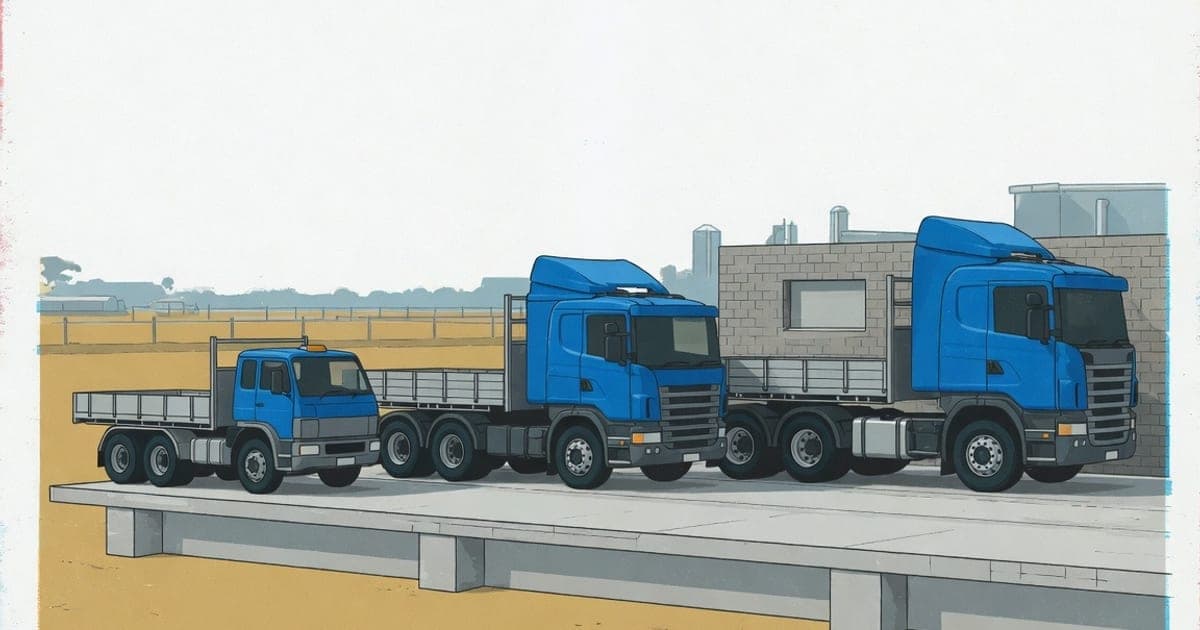
If the load will not fit under a roof, regularly beats the payload of the variants you can afford, or wants a crane, tailgate loader or tipping body, stop shopping vans. A light truck at or under 4.5 tonnes GVM stays on a car licence, and one step above it buys serious payload for van money; where the licence classes actually sit is covered in the truck licence classes guide, and the rigid truck size guide walks through what each step up actually carries. Vans win on weather, security, driveability and city manners; trucks win on kilograms and cubes. Buy for the load, not the lifestyle.
| Van | Class | Where the used market places it |
|---|---|---|
| Toyota HiAce | Mid-size | Dearest per age, strongest resale, default choice |
| Ford Transit Custom | Mid-size | Deep fleet supply, keen pricing, drivers like it |
| Mercedes-Benz Vito | Mid-size | Rear-drive option, mid-pack money |
| Renault Trafic, Peugeot Expert | Mid-size | Cheapest entry, check support near you |
| Mercedes-Benz Sprinter | Large | Benchmark big van, priced like it |
| Ford Transit | Large | Value workhorse, parts everywhere |
| VW Crafter | Large | Sprinter-adjacent history, own path later |
| Renault Master, Fiat Ducato | Large | Budget buys, motorhome favourites |
When you are ready, browse the current vans and light commercials listed for sale and compare variants on payload rather than photos. And if your van has outgrown the work, list it free with the GVM, a weighbridge tare and the service history stated plainly; the tradie reading this post is exactly the buyer it will find.
Market observations are drawn from asking prices on carsales.com.au, Gumtree and dealer listings in early August 2026. Confirm GST treatment on any advertised price, and confirm payload from the manufacturer specification and compliance plate for the exact variant.