Buying a Bus to Convert: What to Look For and What the Rules Require
7 min read
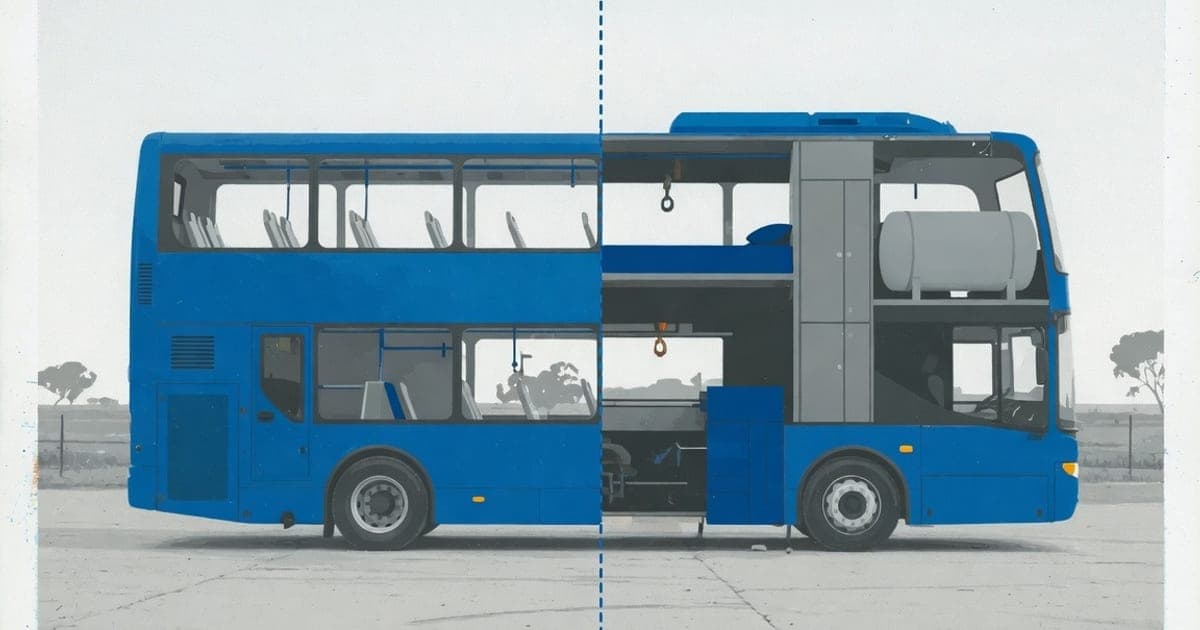
The right conversion bus is the one whose driveline you can still get parts for, whose structure is not quietly rusting under the floor, and whose paperwork path you have confirmed with your state road authority before you pay, not after. The building part of a bus conversion is the fun part and the internet is full of it. The parts that actually sink projects are the ones this guide is about: base vehicle choice, structural condition, and the registration, modification and certification steps, all of which are state based, and none of which should be assumed from a forum post written in a different state in a different decade.
Choosing a base: size, driveline and parts availability
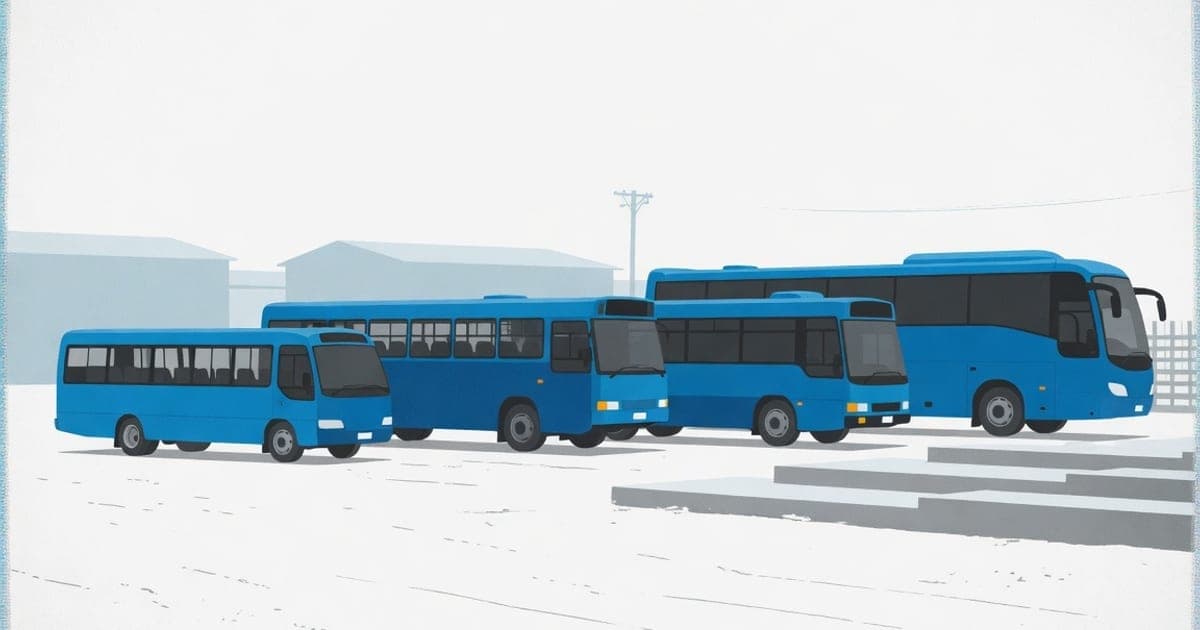
Size first, and be honest about where you will take it and park it. A Coaster or Rosa sized minibus fits in a long carpark bay, takes ferries cheaply and hides in a suburban driveway; a 12.5 metre ex-route bus gives you a genuine apartment and takes planning to park anywhere. The 8 to 10 metre midsize is the compromise most experienced converters land on, which is why good midsize buses sell fastest; you can calibrate what each segment asks against our used bus price guide.
Driveline second. The best conversion base is a bus whose engine, gearbox and axles are shared with common trucks, because bus-specific parts get scarce while truck parts stay stocked. Common Japanese diesels and the volume European drivelines are the safe zone. An orphan driveline can be a bargain to buy and a hostage situation to own.
Rear engine, front engine and mid engine
| Layout | Typical vehicles | For a conversion | Watch for |
|---|---|---|---|
| Rear engine | Route buses, coaches | Flat floor, silent cab, best layout freedom | Long coolant runs, engine access through the bedroom |
| Front engine | Coaster, Rosa, many school buses | Simple, cheap to service, truck-like access | Engine hump and noise up front, floor height |
| Mid or underfloor | Some older coaches and route units | Huge bins, flat floor | Access to everything is lying down, driveline parts scarcer |
Rear-engine route buses are the converters' favourite for a reason: the flat floor and the quiet cab make the best homes. The cost is that every serious engine job happens through your wardrobe. Front-engine buses trade interior elegance for the ability of any truck workshop to service them without moving your bed.
Rust, chassis and roof: the walk-away items
Interiors are removable. Structure is the bus. Inspect in this order and be willing to walk on any of the three:
- Floor structure and lower body. Lift floor coverings where possible, probe the step wells, wheel arches and lower panels, and get underneath along the chassis rails and outriggers. Route buses live in wet cities and school buses live on gravel; both rust from the bottom up, and floor replacement on a bus is a body-off scale job.
- Roof and window line. Water staining along window rails and roof hatches means the skin or seals have been letting go, and a conversion seals a leaky bus's problems inside insulation where they rot invisibly.
- Accident history and repairs. Sight down the panels, check for fresh underseal in patches, and match the compliance plate and VIN against the paperwork and a PPSR search.
A structurally clean bus with a tired engine is a better project than a shiny bus with soft floors, because you can price an engine and you cannot price rust until you are inside it.
Driveline and parts support for older buses
Before you buy, spend an hour pricing the parts you will inevitably need: a clutch or transmission service kit, brake components, a radiator, belts and hoses, filters. If those searches come back with real stock at sane prices, the driveline is supportable. If they come back with one NOS part in a shed in another state, that is your answer. Wreckers matter here too; the method in our truck wreckers guide works identically for buses, and ex-fleet buses of the same model are the parts supply for each other.
The licence question
A conversion does not automatically change what licence the bus needs. Licence class follows the vehicle's GVM and configuration, and a converted bus with a GVM over the light vehicle threshold still requires the appropriate heavy vehicle licence class regardless of what is built inside it. Seating capacity rules also interact with this for buses in some jurisdictions. The classes and thresholds are in our truck licence classes guide; verify your specific case with your state road authority, because the licence you hold should be part of choosing the bus, not a surprise after the fitout.
Changing the registration category, and what that triggers
This is the paperwork heart of a conversion, and it is state based from end to end. Converting a bus to a motorhome is a change of vehicle use, and in most jurisdictions that means applying to re-classify the registration, demonstrating the conversion meets the applicable requirements (commonly including fixed berths and other motorhome-defining fitout), an inspection, and in many cases certification of the modifications by an approved examiner or engineering signatory. The sequence, the evidence and even what counts as a motorhome differ between states.
Two consequences follow. First, talk to your state road authority (Transport for NSW, VicRoads services in Victoria, TMR in Queensland, and their counterparts) before you buy the bus, and get the current requirements in writing. Second, structural work is regulated: removing seats, cutting the body, moving seatbelt anchorages or altering the structure of a heavy vehicle falls under the heavy vehicle modification framework, for which the NHVR's national code of practice for heavy vehicle modifications (VSB6) and approved vehicle examiners are the reference, with the state authority governing vehicles outside NHVR's scope. Modifications done outside that framework can make the bus unregistrable until re-certified, which is how half-finished conversions end up for sale cheap.
None of the above is a national rule. Every sentence in this section has a state-shaped asterisk on it, and the only current answer is the one your own authority gives you.
Gas, electrical and plumbing certification
The habitation systems carry their own certification regimes, separate from the vehicle side:
- LP gas. Gas installations in a vehicle must be installed and certified by a licensed gasfitter, with the certification evidence required at registration or inspection in the states that check it. Uncertified gas work is the classic reason a conversion fails inspection, and insurers care about it even when inspectors do not.
- 240 volt electrical. Any 240V installation is licensed electrician work, certified under your state's electrical safety regime. 12V house systems are unregulated in comparison, which is why the sane design puts everything possible on 12V and keeps the 240V side minimal and certified.
- Water and waste plumbing is the least regulated of the three, but grey water handling rules apply at the usage end through councils and parks.
The certificate names and processes differ by state, so we are deliberately not quoting form numbers: your state's gas and electrical safety regulator and your road authority hold the current requirements. What is universal is the sequencing: certification is vastly cheaper to arrange during the build than to retrofit onto a finished one.
Budgeting the conversion honestly
The pattern visible in every finished-conversion listing: the bus is the cheap part. A realistic budget has the base vehicle, then a comparable sum again across insulation, windows, electrical, gas, water, appliances and certification, then the driveline catch-up maintenance an ex-fleet vehicle needs, then registration, inspection and certification costs. Converters selling half-done projects are not selling because the welding was hard; they are selling because the second half of the budget was never real. Budget it before the bus, and buy the bus that leaves room for it.
Where to start looking
Ex-fleet stock is where the structurally honest buses are, and the compliance history that mattered to their old operator becomes your maintenance record. Browse current bus and coach listings with the layout table above in hand, run the PPSR search before you travel, and confirm the registration path with your state authority before money moves. And if you are selling a bus that would suit a converter, or a conversion you are not going to finish, list it free and say exactly where the project is up to: the honest half-done listing sells faster than the optimistic one.
Registration, modification, licensing and certification requirements above are state and territory specific and change; checked against NHVR modification guidance (nhvr.gov.au) on 6 August 2026. Confirm current requirements with your own state road authority and safety regulators before buying or building.